
Siberian Cat Breed Guide: Personality, Care & What to Expect
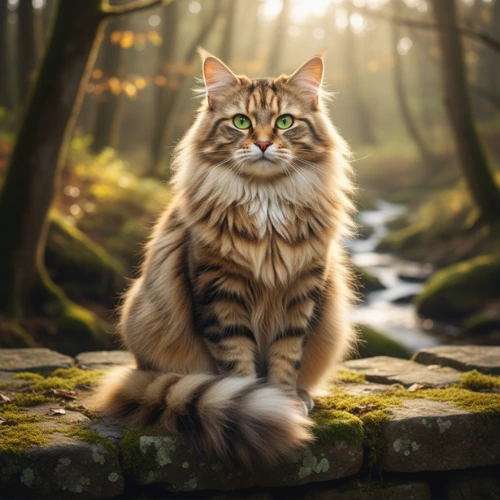
If you’ve been researching cats that combine striking looks with a warm personality, the Siberian cat probably caught your attention. These large, fluffy felines from Russia aren’t just beautiful — they’re intelligent, playful, and surprisingly affectionate for a breed with such an independent history.
What makes Siberians stand out isn’t just their thick, water-resistant coat or their impressive size. It’s their ability to fit into family life while keeping that wild, forest-cat elegance. They’re also one of the few breeds that produce lower levels of the Fel d 1 protein, which means some allergy sufferers can tolerate them better than other cats.
This guide covers everything you need to know before bringing a Siberian into your home — from temperament and grooming to health concerns and whether they’re truly hypoallergenic.
Origins and History
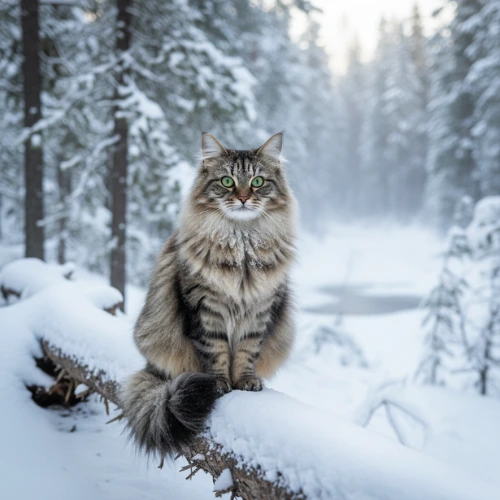
Siberians developed naturally in Russia’s forests over centuries. They weren’t bred for specific traits like modern designer cats. Instead, they evolved to survive harsh Siberian winters, which explains their thick triple coat and muscular build.
These cats lived alongside Russian families for generations before becoming an official breed in the 1980s. They were working cats — keeping homes free of rodents while handling extreme cold without issue.
When the Soviet Union collapsed, Siberians started making their way to Europe and North America. Breeders recognized their unique combination of hardiness, intelligence, and gentle temperament. Today, they’re one of the more popular long-haired cat breeds, though still not as common as Persians or Maine Coons. Their forest cat origin shows in their behavior. They’re excellent climbers, love high perches, and have a playful curiosity that doesn’t fade much with age.
Size and Physical Characteristics
Siberians are large cats, but they take time to reach full size. Most don’t finish growing until they’re around five years old.
Weight and Build
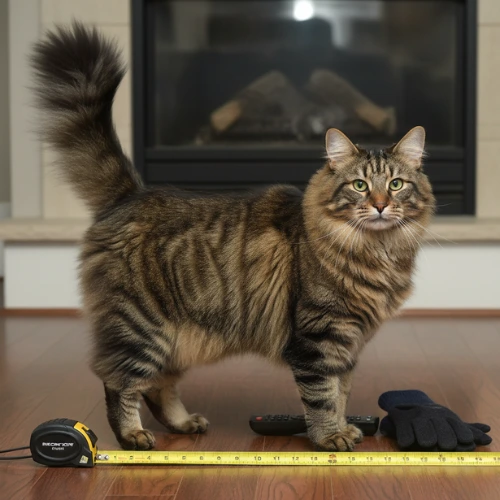
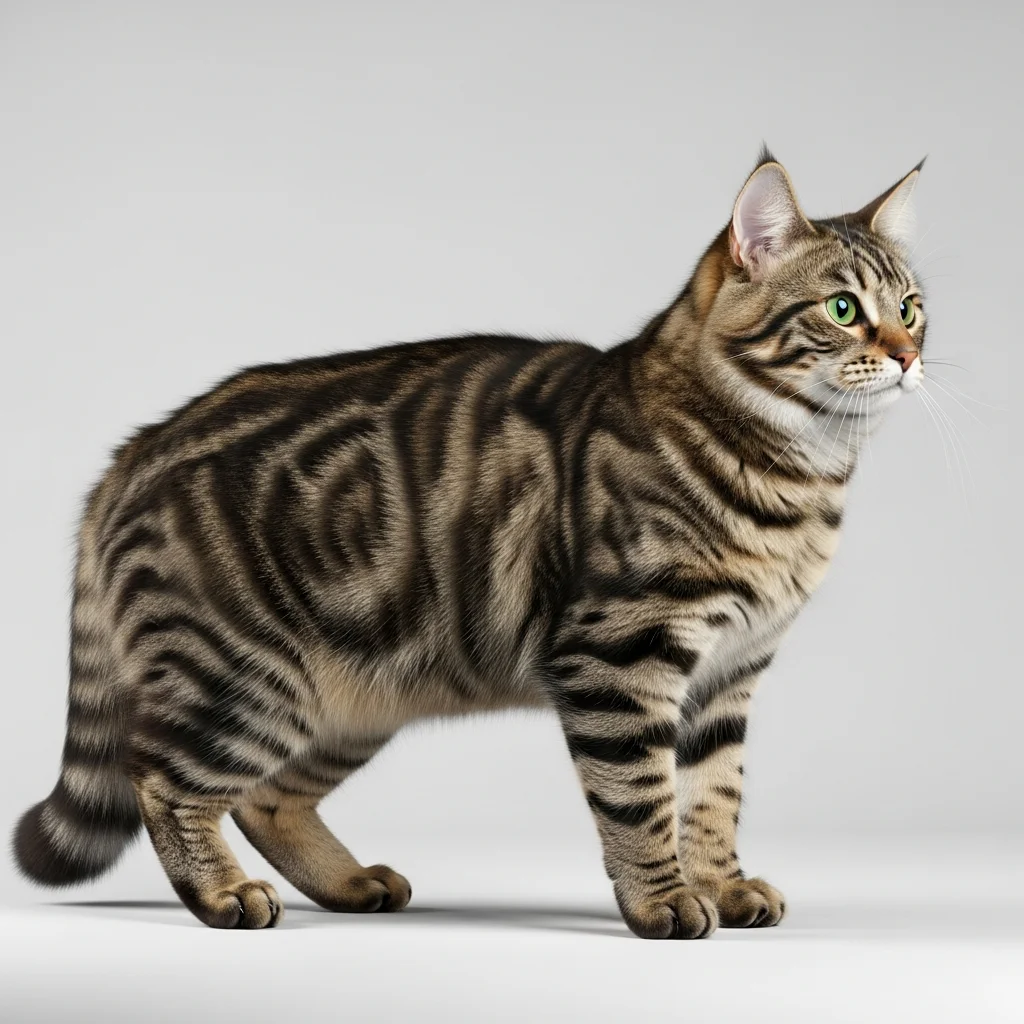
Males typically weigh between 15 and 20 pounds, though some exceed that. Females are smaller, usually ranging from 10 to 15 pounds. They’re heavily muscled with broad chests and strong hindquarters built for jumping. Despite their size, they’re surprisingly agile. Don’t be shocked if your Siberian lands on top of your refrigerator or scales a bookshelf. They’re powerful jumpers and climbers.
Coat and Colors
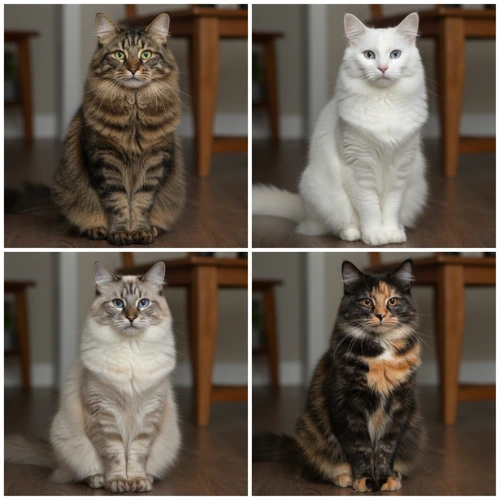
The Siberian coat is one of their defining features. It’s a thick triple coat designed for cold climates — a soft undercoat, longer guard hairs, and water-resistant outer fur. This keeps them warm in freezing temperatures and gives them that luxurious, fluffy appearance. They come in nearly every color and pattern imaginable. You’ll find solid colors, tabbies, colorpoints, tortoiseshells, and bicolors. Eye color varies too — green, gold, blue, or even odd-eyed combinations in some cats.
Their coat changes with the seasons. In winter, they develop a thick ruff around the neck, tufted ears, and a fuller tail. Come summer, they shed heavily and look noticeably sleeker.
Temperament and Personality
Siberians are often described as dog-like, and it’s not just marketing talk. They’re social, loyal, and genuinely enjoy being around their people.
Affectionate but Not Clingy
They’ll follow you from room to room and want to be involved in whatever you’re doing, but they’re not the type to demand constant lap time. They prefer being near you rather than on you, though individual cats vary.
Some Siberians are complete lap cats. Others are happy just occupying the same space. What’s consistent is their desire for companionship. Leaving them alone for long stretches regularly isn’t ideal.
Playful and Intelligent
These cats stay playful well into adulthood. They love interactive toys, puzzle feeders, and games that challenge them mentally. Fetch isn’t uncommon — many Siberians will retrieve toys and bring them back for another round.
Their intelligence means they can learn tricks, figure out how to open doors, and sometimes get into trouble if they’re bored. Providing enrichment isn’t optional with this breed.
Good with Families and Other Pets
Siberians generally do well with children. They’re patient, gentle, and tolerant of the chaos kids bring. They’re also typically fine with other cats and even dogs, especially if introduced properly.
Their calm, confident nature helps them adapt to multi-pet households without much drama. Just don’t expect them to be pushovers — they’ll hold their own if another pet oversteps.
Are Siberian Cats Hypoallergenic?
This is the question everyone asks, and the answer is: sort of.
Siberians produce lower levels of Fel d 1, the protein in cat saliva and skin that triggers most allergic reactions. Some studies suggest they produce about 50% less than other breeds, though this varies from cat to cat. What this means in practice: some people with mild to moderate cat allergies can tolerate Siberians. Others can’t.
Testing Before You Commit
If you’re allergic, spend time with the specific cat you’re considering before bringing them home. Breeders often let potential owners visit multiple times to see how they react.
Don’t assume all Siberians will work for you just because the breed is marketed as allergy-friendly. Individual cats produce different levels of the protein, and your sensitivity plays a role too.
Managing Allergens
Even if you tolerate a Siberian, you’ll still want to minimize exposure:
- Brush them regularly to reduce loose fur and dander
- Wash your hands after handling them
- Use HEPA filters in your home
- Keep them out of your bedroom if possible
No cat is completely hypoallergenic. Siberians just give allergy sufferers a better shot than most breeds.
Grooming and Shedding
That thick coat requires attention, but Siberians are surprisingly low-maintenance compared to other long-haired breeds.
Brushing Routine
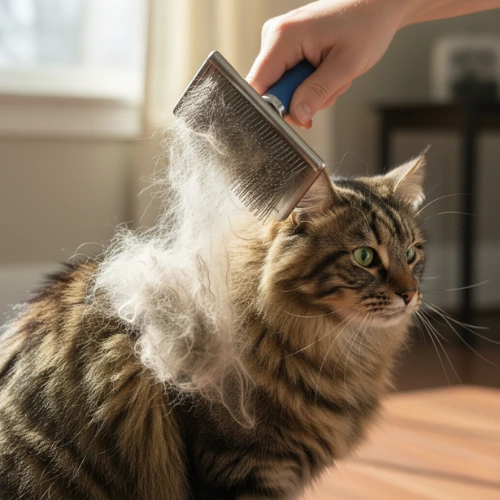
During most of the year, brushing two to three times a week prevents mats and keeps their coat healthy. Use a slicker brush or metal comb to work through the undercoat. When they blow their coat in spring and fall, daily brushing becomes necessary. Seasonal shedding is heavy — expect clumps of fur everywhere. A de-shedding tool or undercoat rake helps manage the volume.
Bathing
Siberians don’t need frequent baths. Their coat is naturally water-resistant and self-cleaning to an extent. Bathing every few months or when they get visibly dirty is enough. Some Siberians actually enjoy water, which makes bath time easier than with most cats. Others tolerate it. Either way, their coat dries relatively quickly once towel-dried.
Nail Trimming and Dental Care
Trim their nails every few weeks to prevent overgrowth. Provide scratching posts to help them maintain their claws naturally. Dental care matters with any cat. Brush their teeth regularly if they’ll tolerate it, or use dental treats and water additives to reduce plaque buildup.
Diet and Nutrition
Siberians need high-quality food to support their size and energy levels.
Protein-First Approach
Choose foods where meat is the first ingredient. Cats are obligate carnivores, and Siberians thrive on protein-rich diets. Look for chicken, turkey, fish, or beef as primary ingredients.
Avoid foods heavy in fillers like corn, wheat, or soy. These provide little nutritional value and can contribute to weight gain without offering much energy.
Portion Control
Siberians can become overweight if overfed, especially once they’re past their playful kitten years. Follow feeding guidelines on your chosen food, but adjust based on your cat’s activity level and body condition.
Most adults do well on two measured meals per day. Free-feeding works for some cats but leads to obesity in others.
Wet vs. Dry Food
A combination of both works well. Wet food provides hydration and tends to be higher in protein. Dry food helps with dental health and is convenient for measured feeding.
Some owners feed wet food primarily and use dry as occasional treats or supplemental feeding. There’s no single right answer — it depends on your cat’s preferences and health needs.
Exercise and Enrichment
Siberians are active cats with strong hunting instincts. They need outlets for their energy and intelligence.
Climbing and Vertical Space
Invest in a tall, sturdy cat tree. Siberians love height and will use every inch of vertical space you give them. Wall-mounted shelves or cat walkways work well too. They’re strong enough to topple flimsy furniture, so buy quality pieces or secure lightweight items.
Interactive Play
Feather wands, laser pointers, and motorized toys keep them engaged. Aim for at least two play sessions daily, each lasting 10–15 minutes. Rotate toys regularly to prevent boredom. What excites them one week might get ignored the next if it’s always available.
Puzzle Feeders and Enrichment
Use puzzle feeders to make mealtimes mentally stimulating. Hiding treats around the house or using treat-dispensing toys taps into their natural hunting behavior. If they’re under-stimulated, you’ll see destructive behavior or excessive vocalization. A bored Siberian finds their own entertainment, and it’s usually something you’d rather they didn’t do.
Indoor vs. Outdoor Living
Siberians can adapt to either lifestyle, but indoor living is safer.
Why Indoor is Recommended
Outdoor cats face risks from traffic, predators, diseases, and theft. Siberians are friendly and valuable, making them targets for theft. Their trusting nature also puts them at risk — they’re more likely to approach strangers than flee.
If you want to give them outdoor access, consider a catio (enclosed patio) or leash training. Many Siberians take to harnesses surprisingly well.
Keeping Indoor Siberians Happy
Provide enough stimulation indoors and they won’t miss the outdoors. Perches near windows, bird feeders outside for entertainment, and regular playtime keep them content. Some Siberians will door-dash if given the chance. Use care when entering and exiting, especially if you live in a busy area.
Health and Lifespan
Siberians are generally healthy, with a lifespan of 12 to 15 years. Some live well into their late teens with proper care.
Common Health Issues
Hypertrophic Cardiomyopathy (HCM): A heart condition where the heart muscle thickens. It’s the most common heart disease in cats and can affect Siberians. Reputable breeders screen for this.
Polycystic Kidney Disease (PKD): Less common in Siberians than in breeds like Persians, but it can occur. Genetic testing helps identify carriers.
Dental Disease: Like all cats, Siberians are prone to dental issues without proper care. Regular brushing and annual vet checkups help catch problems early.
Obesity: Their size and love of food can lead to weight gain. Monitor their body condition and adjust feeding as needed.
Veterinary Care
Annual checkups are essential. Your vet should monitor weight, dental health, and heart function, especially as they age. Keep up with vaccinations, flea and tick prevention, and deworming. Even indoor cats benefit from these protections. If you notice behavior changes, appetite loss, lethargy, or anything unusual, don’t wait. Cats hide illness well, so subtle changes often signal bigger problems.
Finding a Siberian Cat
Choosing a Breeder
Look for breeders who health-test their cats, provide clean living conditions, and socialize kittens properly. Expect to pay $1,200 to $2,500 for a pet-quality Siberian, more for show-quality cats. Red flags include breeders who won’t let you visit, don’t provide health records, or have multiple litters available constantly. Quality breeders often have waiting lists.
Ask about the parents’ temperaments, health clearances, and what support they offer after you bring your kitten home.
Adoption and Rescue
Purebred rescues occasionally have Siberians available. You might also find Siberian mixes in shelters. Adoption fees are significantly lower than breeder prices, usually $100 to $300. Adopted adults come with established personalities, so you know exactly what you’re getting temperament-wise.
Common Mistakes to Avoid
Underestimating Grooming Needs
Even though Siberians are easier than some long-haired breeds, their coat still requires regular attention. Skipping brushing leads to painful mats that may require professional grooming or shaving.
Ignoring Their Social Needs
Siberians are people-oriented cats. They’re not the right choice if you’re gone 12 hours a day with no companionship for them. Consider getting two cats if you’re away frequently.
Assuming Hypoallergenic Means Allergen-Free
Lower allergen levels don’t equal zero allergens. Test your reaction thoroughly before committing to a Siberian if you have allergies.
Skipping Health Testing
If buying from a breeder, insist on seeing health clearances for HCM and PKD. Ethical breeders test their breeding cats and provide documentation.
Pros and Cons
| Pros: | Cons: |
| Affectionate and loyal without being overly needy | Heavy seasonal shedding requires consistent grooming |
| Excellent with families and other pets | Large size means higher food costs |
| Intelligent and trainable | Can be expensive to purchase from breeders |
| Beautiful, thick coat that changes with seasons | Need significant mental and physical stimulation |
| Generally healthy with good longevity | Not truly hypoallergenic despite marketing claims |
| Lower allergen levels than most breeds | Prone to certain genetic health conditions if not bred responsibly |
Frequently Asked Questions
Final Thoughts
Siberians offer a rare combination of beauty, intelligence, and genuine affection. They’re not the right fit for everyone — their grooming needs, size, and energy levels require commitment. But for families or individuals who want an active, loyal companion with a stunning appearance, few breeds deliver quite like the Siberian. If you’re considering one, spend time researching breeders, understanding their care requirements, and honestly assessing whether their personality matches your lifestyle. These cats live 12 to 15 years or longer. That’s a significant commitment, but one that’s deeply rewarding when you find the right match.
Whether you’re drawn to their alleged hypoallergenic qualities, their playful nature, or simply their majestic appearance, go in with realistic expectations. They’re wonderful cats, but they’re still cats — with individual personalities, quirks, and needs that deserve respect and proper care.