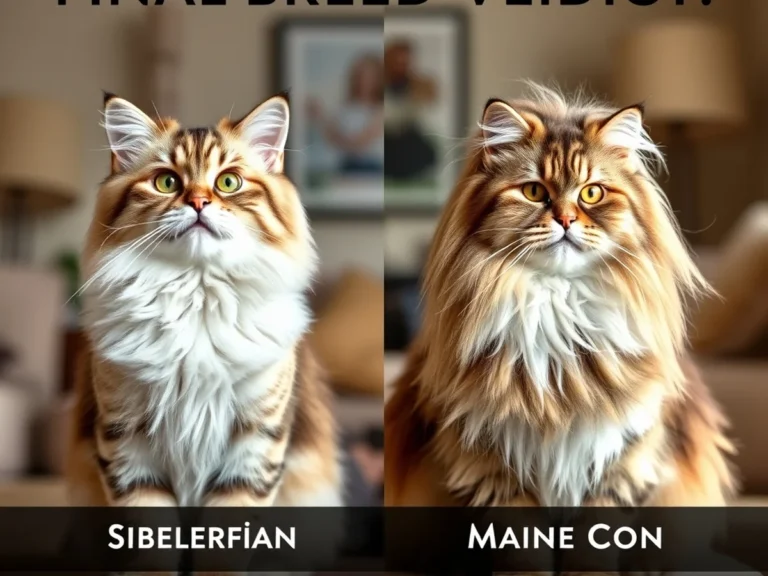
Siberian Cat vs Norwegian Forest Cat: How to Tell Them Apart
Introduction
Comparing the siberian cat vs norwegian forest cat is a common challenge because both are large, hardy breeds built for harsh, cold climates. While they share a lush, long-haired appearance, their physical traits and origins are distinct.
You often see these cats confused due to their thick, protective coats and impressive size. The Siberian hails from Russia, while the Wegie has deep Scandinavian roots. A mature male can easily reach 16 pounds, making them substantial companions for any home.
This guide helps you identify the subtle differences in their bone structure and features. We will look at the Siberian cat head shape compared to the Wegie profile and examine their unique coat textures. By understanding these specific physical markers, you will know exactly what to look for when identifying your own feline friend. Understanding these breed standards makes it much easier to tell these two beautiful cats apart.
Siberian Head Shape
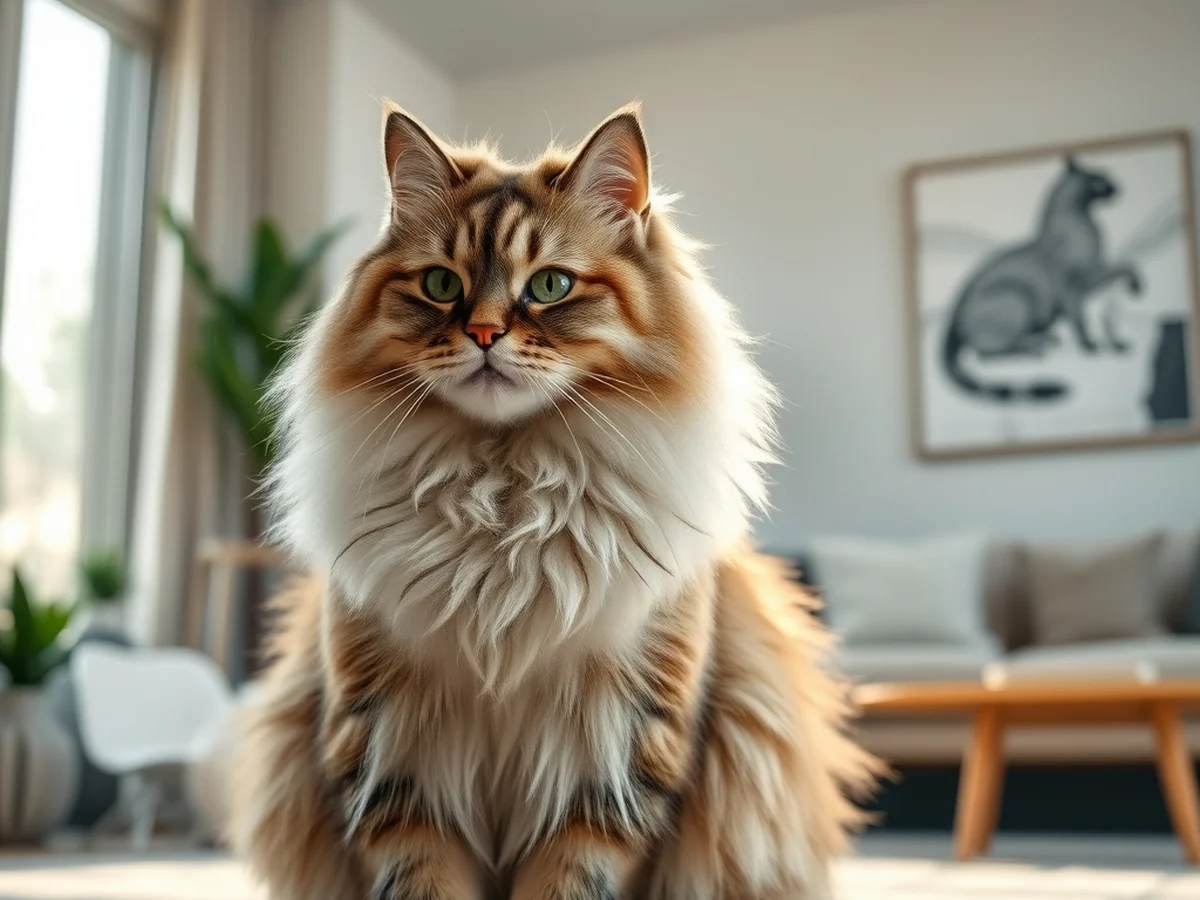
The Siberian cat features a triangular head with soft, rounded contours. This shape gives the face a friendly and gentle look. The muzzle is short and full, which blends into the overall rounded lines of the skull. You will notice the head appears slightly broader than it is long. This specific shape reflects the breed’s Russian origins. It avoids sharp angles, giving the cat a sweet expression that owners often adore.
Norwegian Forest Cat Profile
A Norwegian Forest cat, or Wegie, has a distinct equilateral triangle head shape. This breed is known for a long, straight profile that runs from the top of the head to the tip of the nose. There is no break in the line between the forehead and the bridge of the nose. This structure gives the cat an alert and keen appearance. It is a defining trait when evaluating a siberian cat vs norwegian forest cat for breed identification.
Visual Nose Cues
The easiest way to tell these breeds apart is by looking at the profile of their nose. A Siberian often has a gentle curve or a slight dip, which some breeders call a modified Roman nose. In contrast, the Norwegian Forest cat maintains a perfectly straight bridge. If you draw a line from the forehead down the nose, the Wegie line stays flat. The Siberian line will show a subtle change in direction. I have found this is the most reliable way to identify them, even when the cat is wearing a 4-inch thick winter ruff. A Wegie profile feels very architectural and sharp compared to the Siberian’s softer, more rounded features.
Body Structure Variations
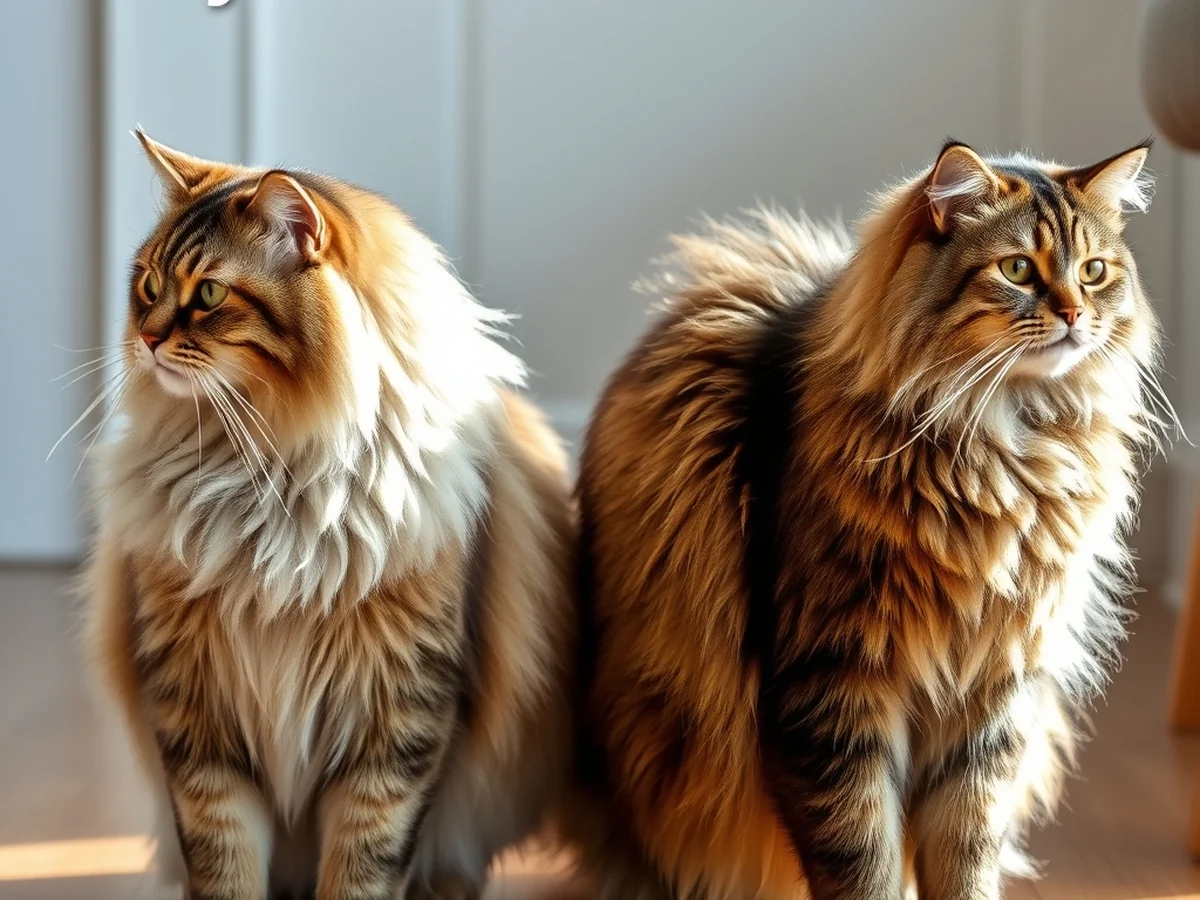
When comparing the siberian cat vs norwegian forest cat, the most striking difference lies in their torso shape. The Siberian features a distinct barrel-shaped body that feels solid and round under your hands. In contrast, the Norwegian Forest cat, or Wegie, has a sturdy cobby build. This means the Wegie appears slightly more rectangular and blocky compared to the rounded Siberian frame.
Leg length acts as a primary identifier between these two breeds. The Norwegian Forest cat often has longer hind legs, which makes the rear of the cat sit higher than the front. This physical trait helps them climb down trees headfirst with ease. Siberian cats have more uniform leg lengths, keeping their center of gravity lower to the ground. You will find that both breeds possess dense muscle mass, but the Wegie feels more like a powerful athlete, while the Siberian feels like a dense, heavy weight.
Both cats share a heavy bone structure that supports their significant size. You can expect an adult to weigh around 15 pounds on average when fully developed. They both carry large paws equipped with thick tufts of fur between the toes for traction on snow. These paws are essential for their survival in cold climates. Despite their large frames, the way they move remains distinct. The Siberian tends to move with a rolling gait, whereas the Wegie moves with a purposeful, ground-covering stride.
- Siberians display a rounded, barrel-like chest.
- Wegies exhibit a rectangular, cobby frame.
- Both breeds feature heavy, thick bones.
- Look for longer hind legs on the Norwegian Forest cat.
Coat Texture Differences
The main physical distinction when looking at a siberian cat vs norwegian forest cat is how their fur feels under your hand. A Siberian cat has a dense, triple-layered coat that feels quite firm. You will notice a wool-like undercoat that is designed to trap heat in harsh Russian winters.
In contrast, the Norwegian Forest cat features long, oily guard hairs. This oily layer makes the fur water-repellent to survive wet Scandinavian weather. If you touch a Wegie, the top layer feels smoother and more slick than the thicker, slightly more textured coat of the Siberian.
Grooming and Tools
Because the Siberian has such a dense, woolly texture, it is prone to matting near the skin. You should brush your Siberian at least 3 times a week to prevent tangles. A metal greyhound comb is often better than a standard bristle brush. This tool reaches deep into the thick undercoat to remove loose hairs before they turn into knots.
The Norwegian Forest cat is generally easier to manage despite the length of its hair. Since the guard hairs are naturally smooth, a slicker brush works well for routine maintenance. You usually only need to groom a Wegie once a week to keep the coat healthy and shiny.
- Use a steel-toothed comb for Siberian undercoats.
- Stick to a slicker brush for the Wegie.
- Aim for a 15-minute brushing session to keep your cat comfortable.
If you find that your cat has a very oily coat that resists water, you are likely looking at a Wegie. If the fur feels springy and creates a massive muff-like ruff around the neck, you are likely dealing with a Siberian. Always check behind the ears for small mats, as both breeds develop them if left unbrushed for too long.
Hypoallergenic Reality
No cat breed is truly 100 percent hypoallergenic. When you research a siberian cat vs norwegian forest cat, remember that all cats produce allergens. You should never assume either breed will guarantee a sneeze-free home.
Siberians are often labeled hypoallergenic because they typically produce lower levels of the Fel d 1 protein in their saliva. This protein is the primary trigger for most human cat allergies. While some people with mild sensitivities tolerate Siberians well, others still react strongly. My own experience shows that individual cats vary. I have met people who were fine with one Siberian but reacted to another from the same litter.
Norwegian Forest cats do not share this trait. They produce normal amounts of the Fel d 1 protein. If you choose a Wegie, you should expect the same allergen levels as any other long-haired cat breed.
- Test your reaction by spending at least 30 minutes in a room with the specific cat you plan to adopt.
- Avoid relying on general breed labels to protect your health.
- Keep your home clean by using an air purifier with a HEPA filter, which can cost around $150 for a high-quality model.
When comparing these two, the Siberian is the only one with a biological difference regarding protein production. However, this is not a medical guarantee. If you have severe allergies, do not commit to either breed based on myths. Always spend time with the animal first to see how your body reacts to their specific dander. Your personal health is the most important factor when choosing between these two beautiful breeds.
Personality and Activity
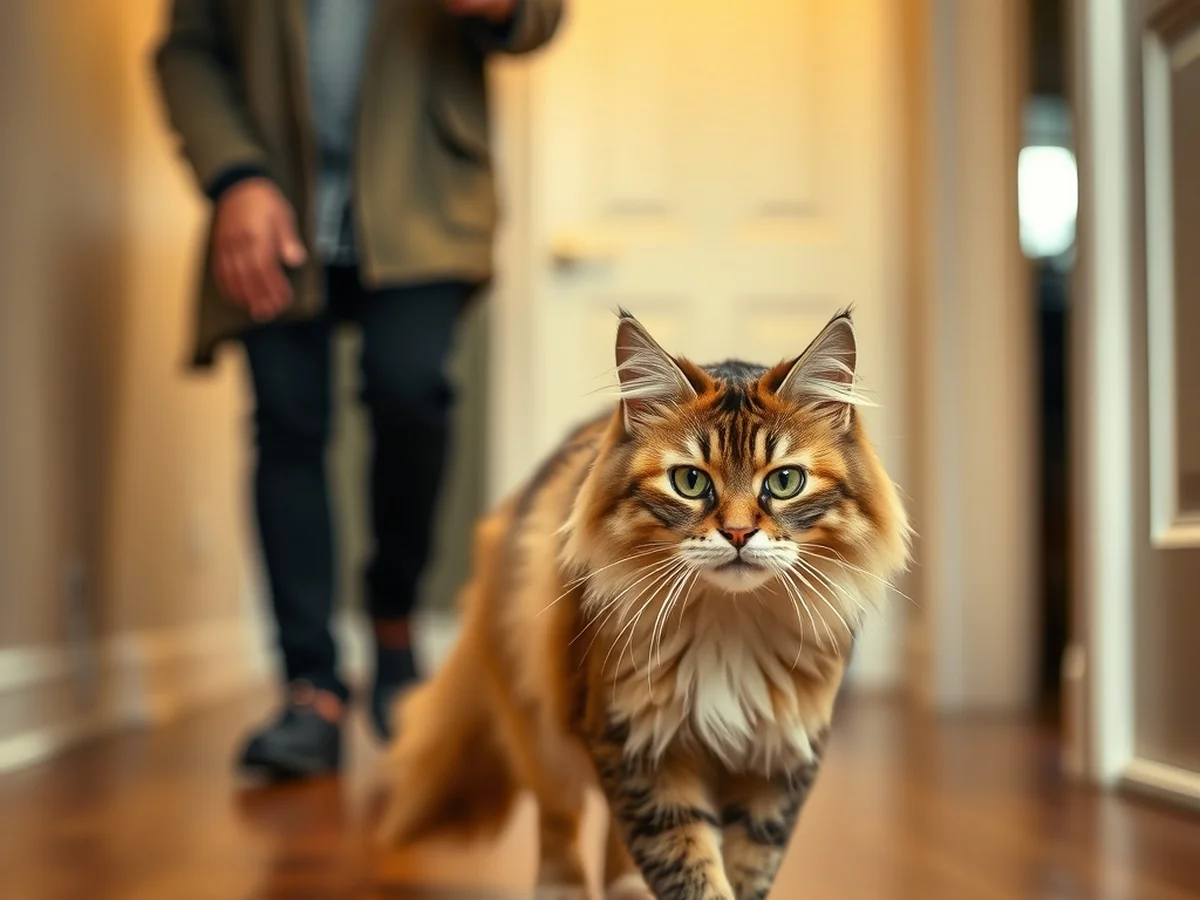
Comparing the siberian cat vs norwegian forest cat reveals distinct traits based on their heritage. Siberians are famously curious, often following owners from room to room to inspect every detail of your daily routine. They possess a dog-like loyalty and enjoy solving puzzles or playing with interactive toys.
Norwegian Forest cats, or Wegies, lean into their climbing instincts. They are athletic masters of height, frequently found perched on top of tall bookshelves or high cabinets. While a Siberian might be content playing on the floor, a Wegie will seek out the highest vantage point in the house to survey its domain.
Home environment needs differ between these two breeds. Because Wegies have a strong drive to climb, they thrive in larger homes where they can jump across wall-mounted shelves or tall cat trees. I have found that a house with vertical space is essential for keeping a Norwegian Forest cat happy. Without these outlets, they may start testing their climbing skills on your curtains.
Siberians often adapt better to apartment living. They are generally more focused on human interaction than vertical exploration. They are happy playing in a confined space as long as they have 15 minutes of dedicated play time with you each evening. Their social nature makes them excellent companions for small apartments.
If you have limited square footage, the Siberian is usually the better choice. Their moderate activity level is easier to manage in a flat. The Norwegian Forest cat requires more room to roam and climb to avoid boredom. Both breeds are highly intelligent, but their preferred play styles will dictate which fits your lifestyle best.
Quick Comparison Table
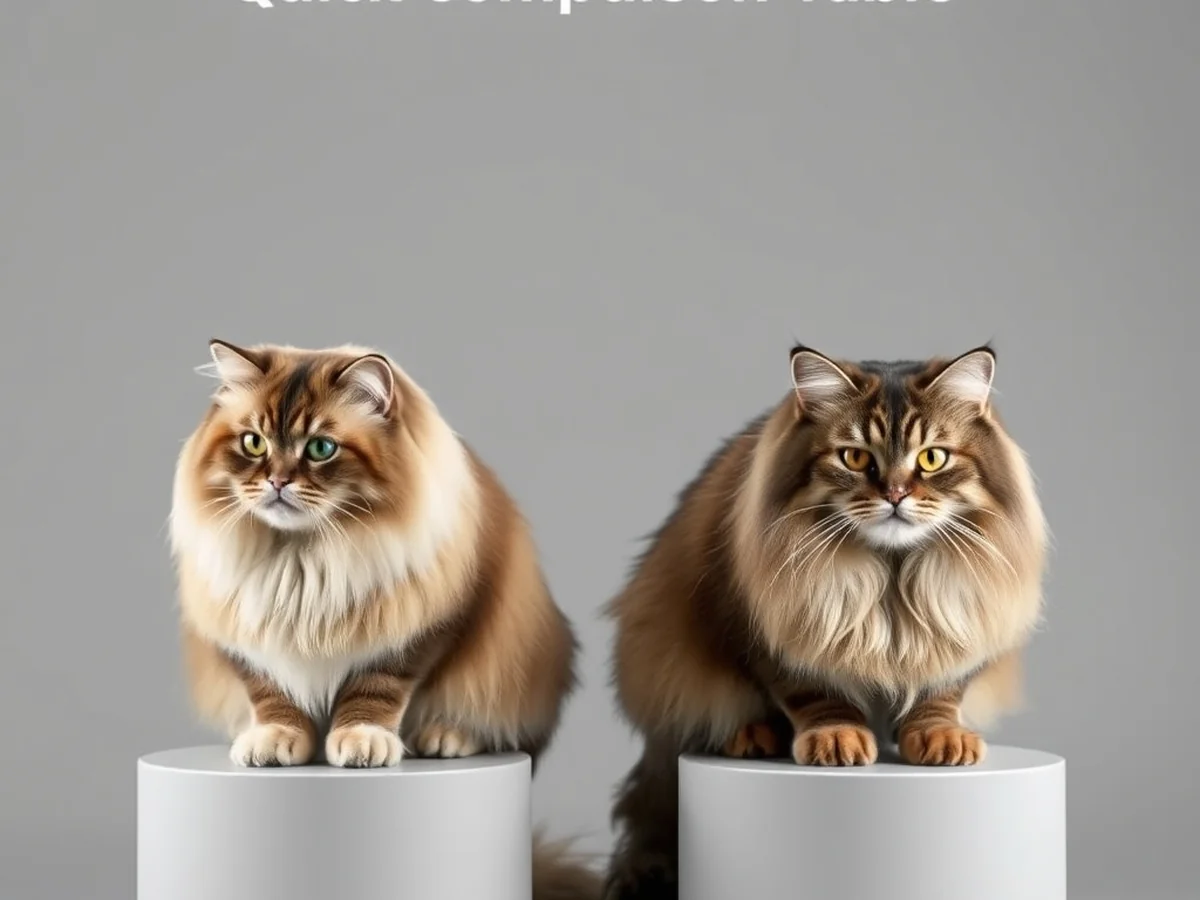
Use this table to quickly distinguish between these two breeds. Understanding the siberian cat vs norwegian forest cat difference helps you pick the right companion for your home.
| Feature | Siberian | Norwegian Forest Cat |
|---|---|---|
| Head Shape | Modified wedge with rounded contours | Equilateral triangle |
| Body Type | Barrel-shaped and solid | Large and sturdy cobby build |
| Coat Texture | Triple coat, dense and oily | Water-repellent, wool-like undercoat |
| Temperament | Playful, dog-like, and problem-solving | Independent, calm, and observant |
If you are trying to identify your pet, use this simple checklist. Most adult cats of these breeds weigh at least 10 pounds when fully grown.
- Face Profile: Does the cat have a straight profile without a dip? If yes, it is likely a Norwegian Forest Cat.
- Head Shape: Does the head appear more rounded and soft? This points toward a Siberian.
- Ear Tufts: Are there long, dramatic lynx-like ear tufts? Both breeds have them, but they are often more pronounced on a Wegie.
- Coat Feel: Does the fur feel oily or water-repellent to the touch? This is a hallmark of the water-repellent fur found on the Norwegian Forest Cat.
- Activity Level: Is the cat constantly following you to “help” with tasks? This classic Siberian cat personality trait is common in the breed.
Remember that identifying a cat by looks alone is difficult. Mixed breeds often share traits with both of these cold-weather hunters.
FAQ
Do they differ in weight?
Both breeds are large, but the siberian cat vs norwegian forest cat weight range is similar. Males typically weigh between 12 and 16 pounds, though some reach 20 pounds. You will find that both breeds grow slowly and may not reach full size until they are 5 years old.
What is the profile difference?
The biggest facial clue is the straight profile of the Norwegian Forest cat versus the Siberian cat. A Wegie has a perfectly straight line from the brow to the tip of the nose. In contrast, a Siberian has a slight dip or concave curve in the bridge of the nose.
Which is better for apartments?
Neither cat is strictly an apartment breed because they both crave vertical space and play. If you live in a smaller home, the Siberian is often described as slightly more adaptable to indoor life. You must provide a tall cat tree regardless of which breed you pick.
How do their head shapes differ?
The Siberian has a modified wedge shape with rounded contours and soft edges. The Norwegian Forest cat features a distinct triangular head shape that appears very sharp and pointed. You can spot this by looking at how the ears align with the jawline.
Is the coat texture different?
Siberians often have a triple coat that feels denser and slightly more oily to protect against harsh weather. The Norwegian Forest cat has a double coat that feels more wool-like and dry to the touch. Both require regular brushing to manage their thick water-repellent fur.
Choosing Between These Breeds
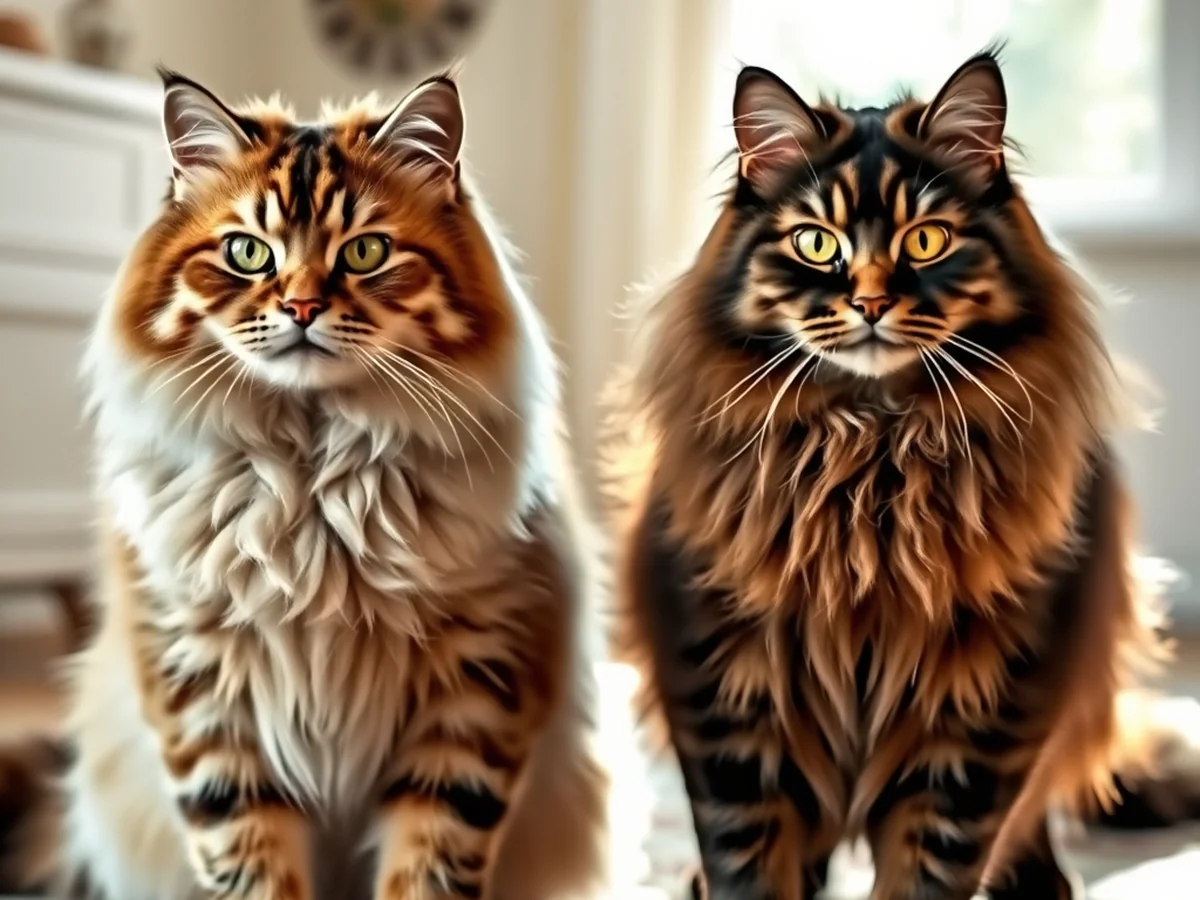
The main difference when looking at siberian cat vs norwegian forest cat comes down to their face and body build. Siberians have a rounded, barrel-shaped body and a modified wedge head with rounded contours. In contrast, the Norwegian Forest cat features a true triangular head with a perfectly straight profile from forehead to nose tip.
If you want to spot the difference quickly, look at the nose. The Norwegian Forest cat has a distinct Roman nose profile, while the Siberian face lacks that sharp, straight line. Both breeds boast impressive, long-haired coats, but the Siberian often has a triple coat that feels slightly denser. I have found the Siberian fur to feel more wool-like, whereas the Wegie possesses a water-repellent top layer meant for harsh Scandinavian winters.
Before you commit, spend time with each breed in person. You can find local cat shows where breeders showcase their cats. Expect to pay an adoption or breeder fee averaging around $1,500 for a healthy kitten from a registered cattery. Meeting them helps you see their personality quirks firsthand. Siberians often display a playful, dog-like nature, while Norwegian Forest cats are known for being observant climbers who love high vantage points.
Base your final choice on your daily lifestyle. If you live in a small apartment, the Siberian might adapt slightly better due to their slightly more compact, cobby build. If you have a large home with plenty of vertical space, the Norwegian Forest cat will thrive by using every shelf and cat tree you provide. Both breeds require regular brushing to manage shedding, so ensure you have at least 15 minutes a week set aside for grooming.
For another perspective, this detailed piece on Siberian vs Norwegian Forest cat – The Little Carnivore is worth a read.
You might also like: Siberian Cat vs Maine Coon: 8 Key Differences Explained