Siberian Cat Lifespan: How Long Do They Live?
Siberian Cat Breed Overview
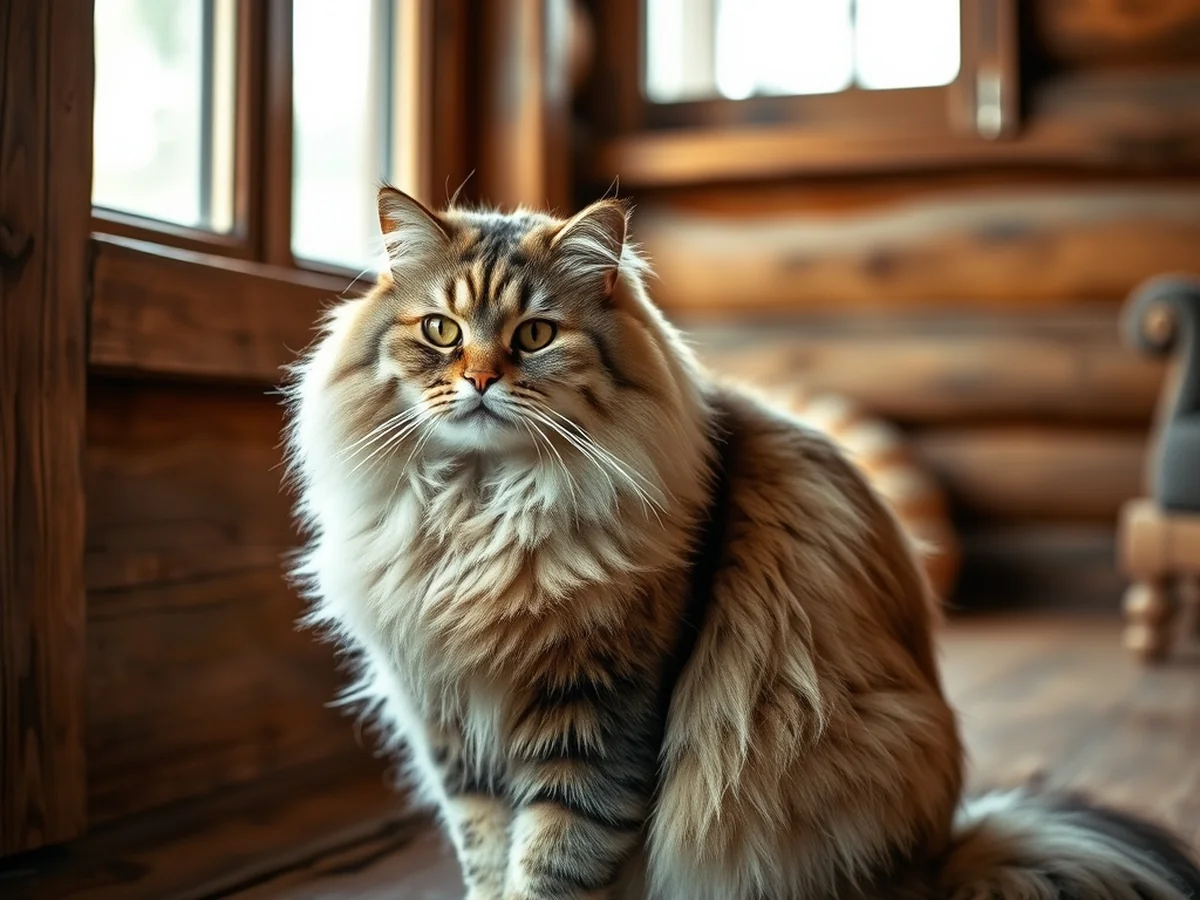
You can expect a siberian cat lifespan to range between 12 and 18 years. This breed is known for its remarkable resilience and longevity compared to many other domestic cats.
Siberians are a naturally occurring breed that developed in the harsh climate of Russia. This history shaped them into a hardy and robust breed with few of the health struggles found in overly selectively bred cats. They possess a thick triple coat and a sturdy bone structure that has remained largely unchanged for centuries.
One unique aspect of this breed is the slow pace of their physical maturity. Most cats reach their adult size by age one, but Siberians often continue growing and filling out until they are 5 years old. Because they stay in a developmental phase longer, they require consistent, high-protein cat food to support their large muscle mass and bone growth.
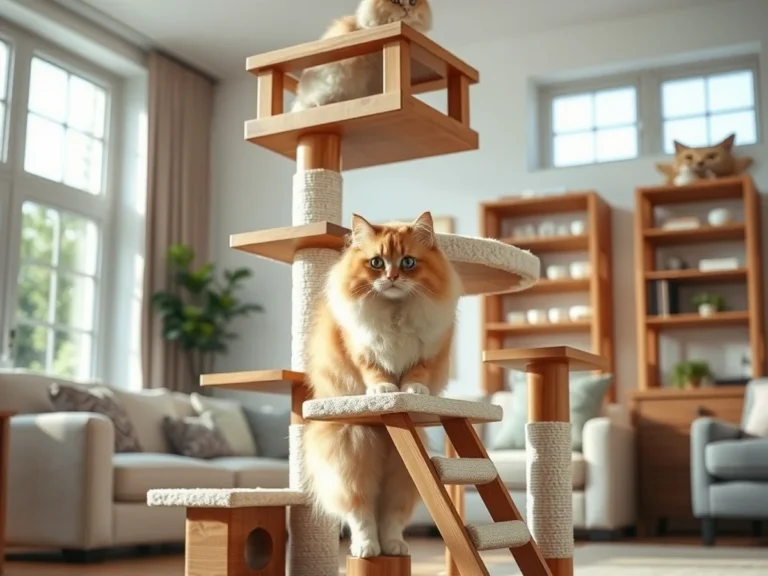
While they are generally healthy, responsible owners should still watch for breed-specific conditions like HCM or PKD. Working with breeders who perform genetic screening helps lower these risks. Keeping your cat indoors and providing regular veterinary checkups are the most effective ways to ensure they reach the upper end of their life expectancy. These cats are active, so providing a tall cat tree helps them maintain a healthy weight throughout their life.
Siberian Cat Health Profile
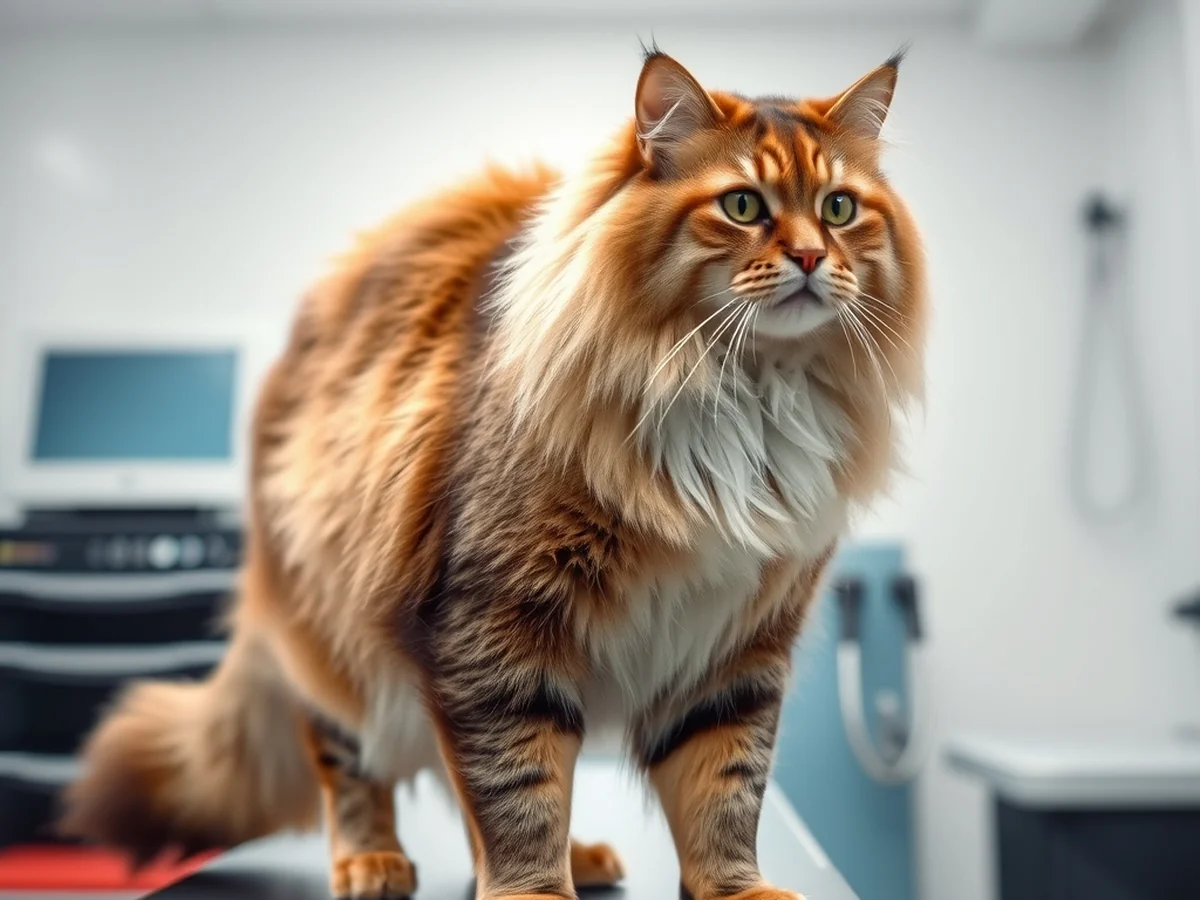
Siberian cats mature slowly and often do not reach their full physical size until they are 5 years old. This extended window is a unique breed trait that influences how you should manage their long-term wellness. Because they grow over several years, their bodies require consistent, high-quality support to develop strong bones and muscles.
You should provide a high-protein cat food designed for this slow growth phase. Kittens and young adults need dense nutrients to fuel this extended development without gaining excess weight. Feeding them adult-formula food too early can lead to feline obesity, which puts unnecessary stress on their joints and organs. Always consult your vet to ensure the caloric density matches their current activity level.
Monitoring their progress is vital for the overall siberian cat lifespan. Since they grow for 3 to 5 years, you must track their weight and body condition closely during these formative stages. A healthy cat will maintain a lean shape even during growth spurts. If your pet seems to be gaining fat rather than muscle, adjust the portion sizes immediately. Providing regular veterinary checkups during these early years helps establish a baseline for their health. This proactive approach ensures you catch potential growth irregularities before they turn into permanent health concerns.
Common Health Risks
Siberian cats are generally hardy, but they carry a genetic risk for Hypertrophic Cardiomyopathy, known as HCM. This heart condition causes the muscular walls of the heart to thicken, which can impact the overall Siberian cat lifespan. Another concern is Polycystic Kidney Disease, or PKD. This condition leads to fluid-filled cysts in the kidneys, potentially causing renal failure if left unmanaged.
You can protect your pet by buying only from breeders who provide documentation of genetic screening for both parents. Ethical breeders perform DNA tests to ensure their kittens don’t inherit these markers. Do not hesitate to ask for proof of these tests before you commit to a kitten.
Routine veterinary checkups are essential for early detection of these issues. I have seen many cats live long lives because owners spotted subtle symptoms early. Most vets recommend a full blood panel at least once a year once your cat reaches age seven. Keeping up with these appointments costs around $150 to $250 annually depending on your location. Early intervention remains the best way to ensure your cat stays healthy for many years. Choosing a breeder who prioritizes health testing is the single most important step you can take for your new companion.
Nutrition for Longevity
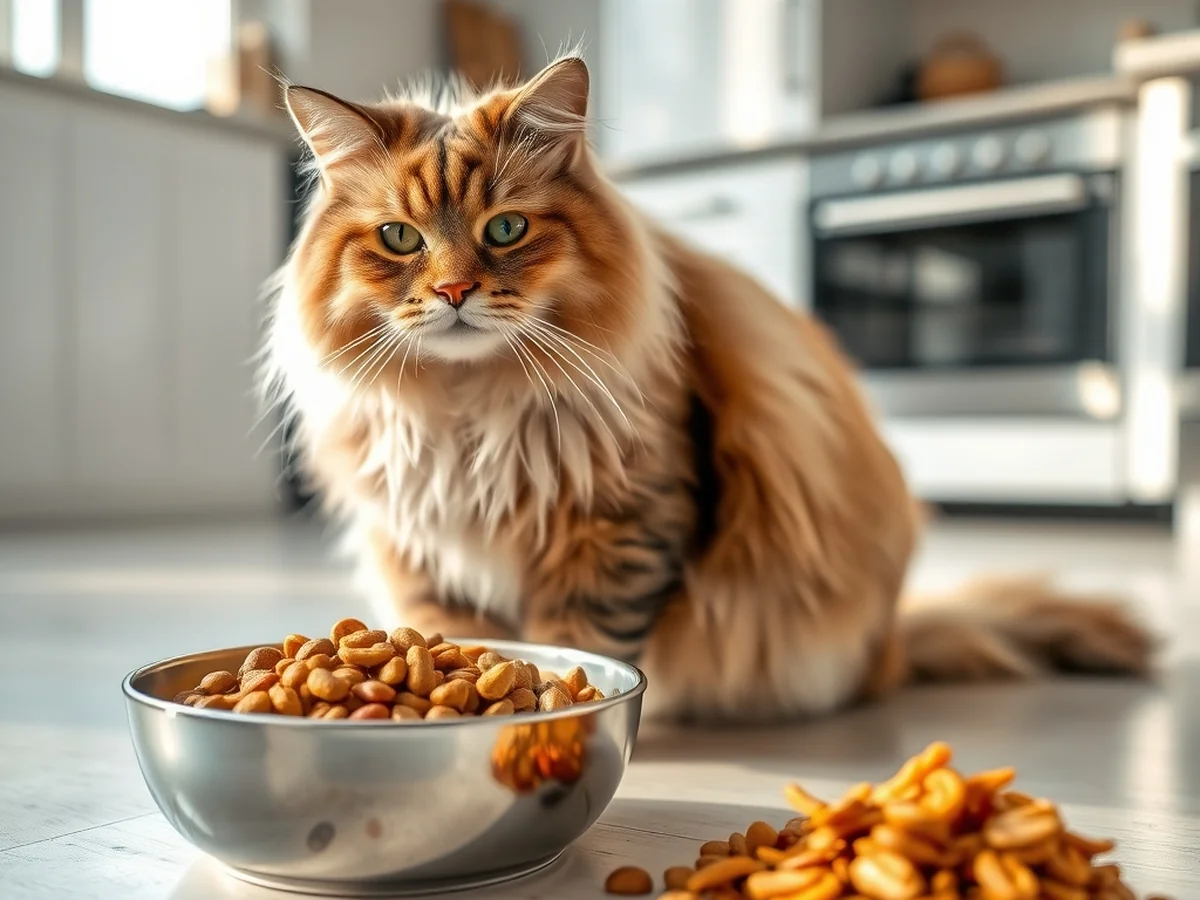
Feeding your cat a high-protein cat food is one of the best ways to support a long, healthy life. Proper fuel helps maintain lean muscle mass as your pet reaches their full physical maturity at age 5. Siberian cats often live 12 to 15 years, but quality food choices directly influence their vitality.
Indoor living is the single most effective way to extend the siberian cat lifespan. Cats kept inside do not face the risks of cars, predators, or toxic plants. They also avoid exposure to infectious diseases spread by stray animals. By controlling their environment, you protect them from unnecessary trauma.
Indoor environments do present one main challenge, which is feline obesity. Since these cats move less than outdoor hunters, they need consistent play to stay fit. You can provide exercise by using cat trees or interactive wand toys for at least 20 minutes every day. Keep their caloric intake steady, as even a 1-pound weight gain can stress their joints.
- Always provide fresh water to support kidney function.
- Schedule annual veterinary checkups to monitor for conditions like HCM.
- Prioritize dental hygiene to prevent systemic inflammation.
- Watch for signs of aging like decreased jumping or stiffness.
Genetic Factors Affecting Lifespan

A healthy siberian cat lifespan often depends on how you manage their specific genetic traits and daily habits. While these cats are naturally robust, they can be prone to HCM. Responsible breeders use genetic screening to identify these risks early. You should always ask for health certificates before bringing a kitten home to ensure your pet has the best start.
Diet is the foundation for longevity. These large cats require high-protein cat food to maintain their muscle mass through their long physical maturity period. This growth phase often lasts until the cat is 5 years old. Proper nutrition supports their internal organs and keeps their coat thick.
Hydration is just as important as the food quality. Many owners use a water fountain to encourage their cat to drink more throughout the day. Dehydration places unnecessary stress on the kidneys, especially as they age.
You must also control their weight to protect their long-term health. Feline obesity is a major danger that causes severe joint issues and heart strain. A cat that carries even 2 extra pounds faces a higher risk of arthritis. Use interactive toys or cat trees to keep them moving daily. Keeping your cat at a lean weight is a simple way to help them live a longer life.
Active Play Environments
Daily activity is vital to support a long siberian cat lifespan. These large, athletic cats possess high energy levels that require consistent outlets to prevent feline obesity and related health risks.
Installing sturdy cat trees encourages climbing and jumping, which helps maintain strong muscles and joint flexibility. I have found that placing a tree near a window provides the visual stimulation these intelligent cats crave.
For high-energy individuals, cat exercise wheels offer an excellent way to burn calories indoors. A wheel with a diameter of at least 48 inches allows a full-grown cat to run with a natural gait. This consistent movement supports heart health and keeps their weight within a healthy range.
Mental Stimulation
Mental engagement directly impacts your cat’s stress levels and overall well-being. A bored cat often experiences chronic tension, which can negatively affect their immune system over time.
Interactive play sessions, puzzle feeders, and regular training routines keep their minds sharp as they age. When your cat feels confident and occupied, they are less prone to behavioral issues. Providing this environmental enrichment is a simple way to help your companion reach their full life expectancy. Consistent mental challenges turn an indoor lifestyle into a rewarding, active experience for your pet.
Preventative Veterinary Care
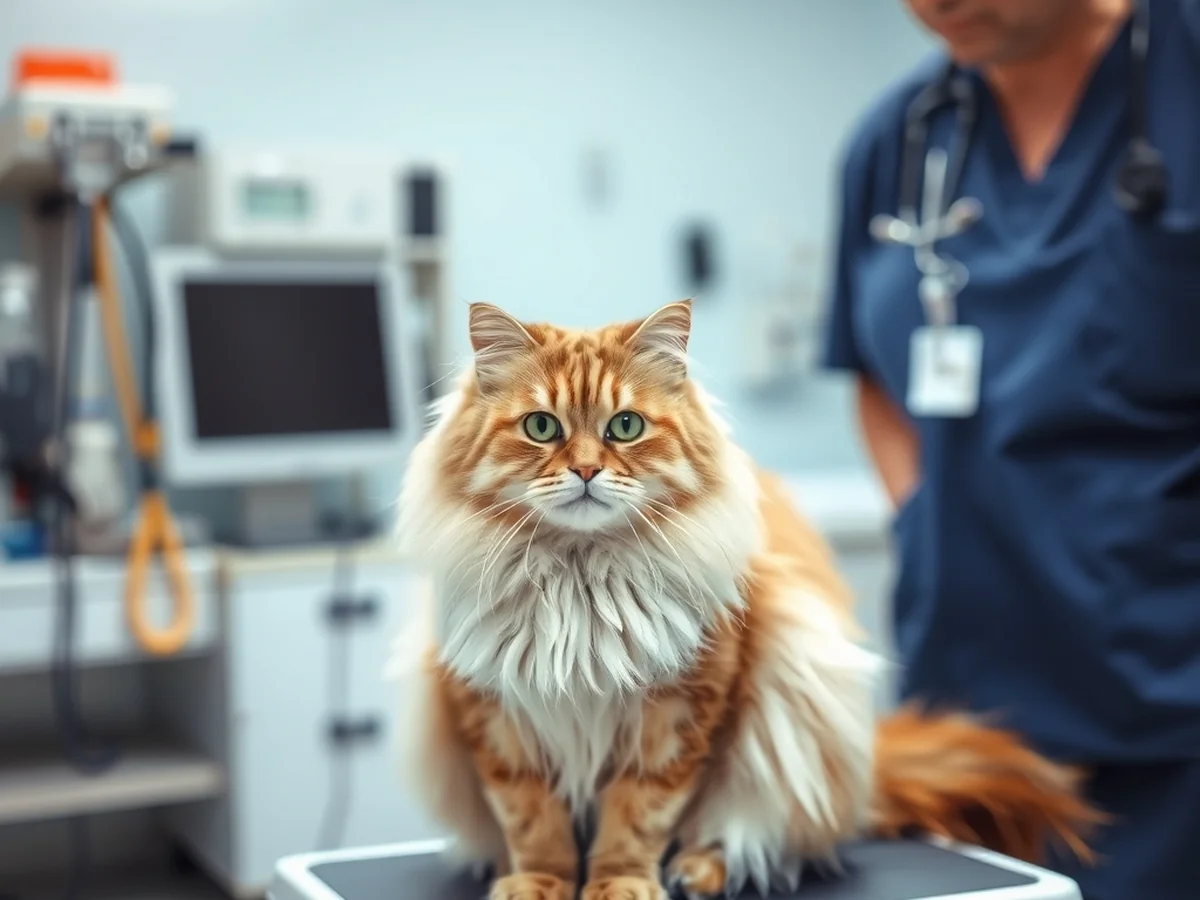
You should view your cat as a senior once they reach age 10. Scheduling biannual veterinary checkups is essential for monitoring their health at this stage. These visits allow your vet to catch subtle issues before they turn into major problems.
Proactive care significantly impacts the overall siberian cat lifespan. Your vet will look for signs of HCM or PKD, which are common genetic health concerns. Regular blood panels and physical exams provide a clear picture of how your pet is aging.
Watch for specific changes in your cat as they enter their later years:
- Thinning or coarse coat texture.
- Reduced mobility or stiffness during jumps.
- Shifts in appetite or water intake.
- Lower energy levels during playtime.
You can help maintain their comfort by adjusting their environment. Place cat trees with lower platforms to reduce the height they need to climb. Keeping their weight in check is also vital, as feline obesity puts extra strain on aging joints and organs. Many owners find that a simple $30 orthopedic bed provides much needed support for stiff muscles. Prioritizing these small, consistent adjustments will help your companion stay active and happy throughout their golden years.
For another perspective, this detailed piece on Siberian Cat Life Expectancy : r/SiberianCats – Reddit is worth a read.
Indoor vs Outdoor Safety
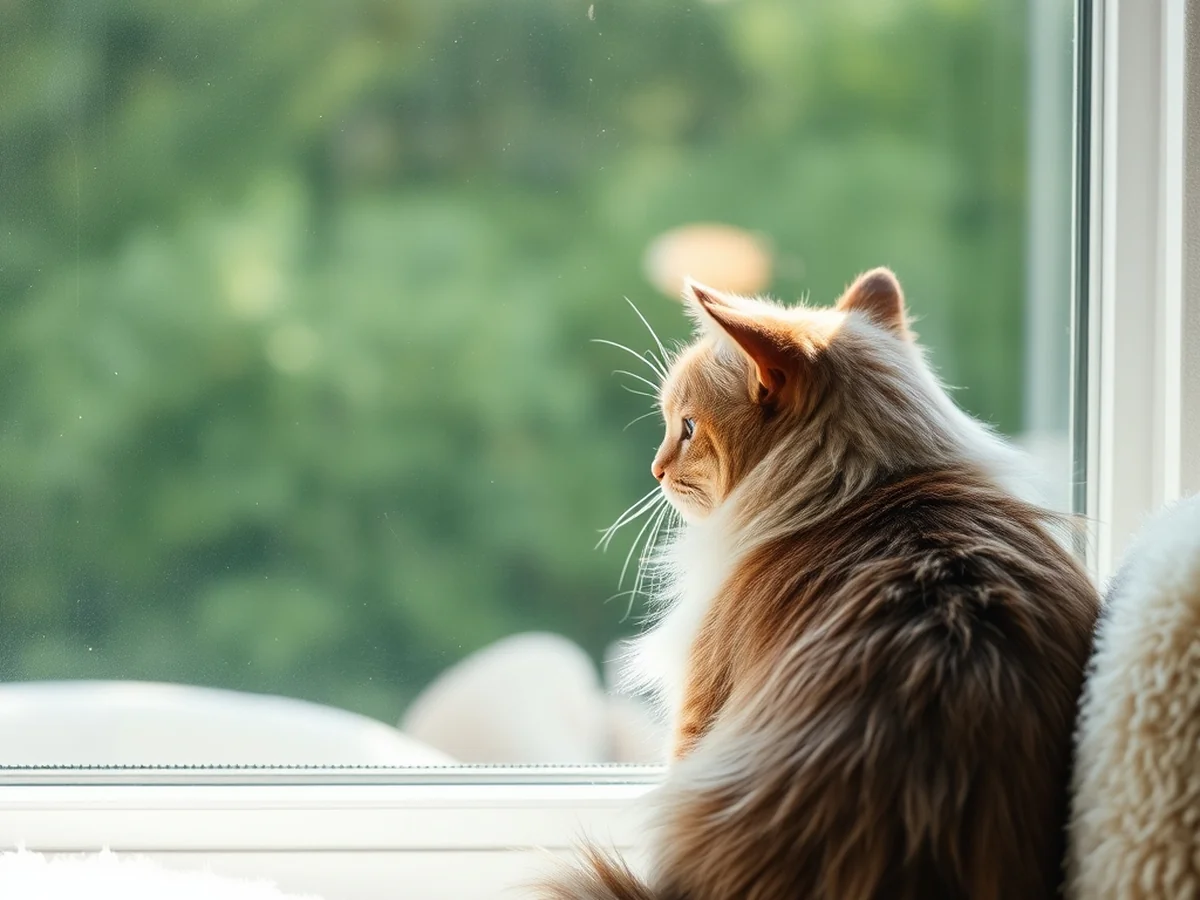
Keeping your pet strictly indoors is the most effective way to protect your siberian cat lifespan. Outdoor environments expose cats to traffic, predators, and infectious diseases that significantly shorten their years. An indoor lifestyle keeps them away from these risks while allowing for controlled exercise.
Preventative care is always cheaper and more effective than reactive treatment. Detecting health concerns early allows your veterinarian to manage them before they become emergencies. Following a consistent routine ensures you identify changes in your cat quickly.
Use this checklist for your annual wellness visits:
- Schedule a comprehensive physical exam to check for early signs of HCM or heart murmurs.
- Request complete blood work to monitor kidney function and screen for PKD.
- Plan a professional dental cleaning to prevent systemic infections from gum disease.
In my experience, owners often skip dental work until a tooth becomes infected. A professional cleaning usually costs around $300, which is far less than the price of emergency extractions or treating organ failure caused by chronic dental bacteria. By prioritizing preventative wellness care, you address potential issues when they are still manageable. This proactive approach remains the best strategy for ensuring your companion stays happy and healthy for many years.
Boosting longevity
You can maximize the **siberian cat lifespan** by focusing on early detection and a consistent home environment. These cats reach physical maturity around 5 years of age, so they need high-protein cat food throughout their long growth phase to support strong muscles.
Routine wellness care
Schedule annual veterinary checkups to screen for breed-specific conditions like HCM and PKD. Early diagnosis is the best way to manage these issues before they impact daily quality of life. Ask your vet for a physical exam at least once every 12 months.
Healthy home habits
Keep your cat indoors to prevent accidents and exposure to infectious diseases. An indoor lifestyle helps protect them from common outdoor dangers while allowing for controlled physical activity. Use cat trees or exercise wheels to keep them moving and prevent feline obesity, which often shortens a cat’s life.
Daily care tips
- Prioritize dental hygiene to prevent gum disease and systemic infections.
- Ensure constant access to fresh water to support kidney health.
- Watch for signs of aging like decreased energy or changes in appetite.
- Maintain a steady weight to reduce stress on joints and organs.
As your pet enters their senior years, which usually happens after age 10, shift toward gentler play and easier access to food and water. Consistent, proactive care is the most effective way to help your companion reach their full life expectancy.
You might also like: Siberian Cat Shedding: What to Expect and How to Manage It