Siberian Cat Shedding: What to Expect and How to Manage It
Introduction
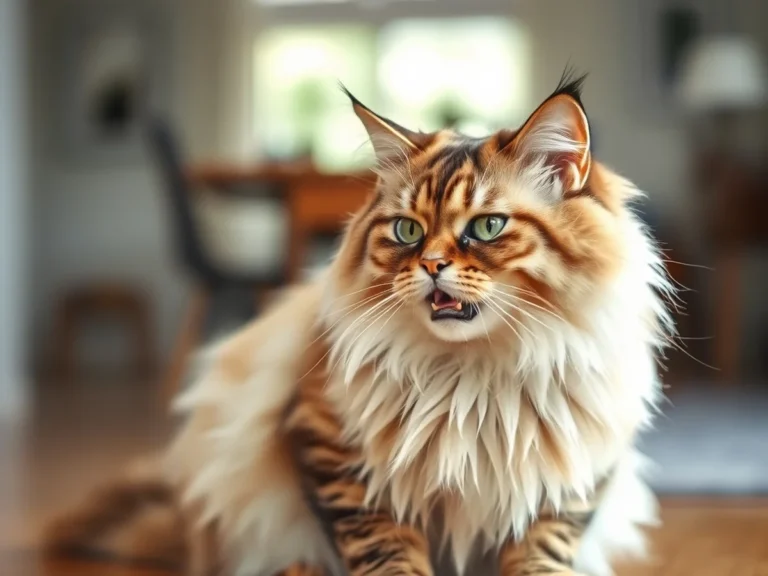
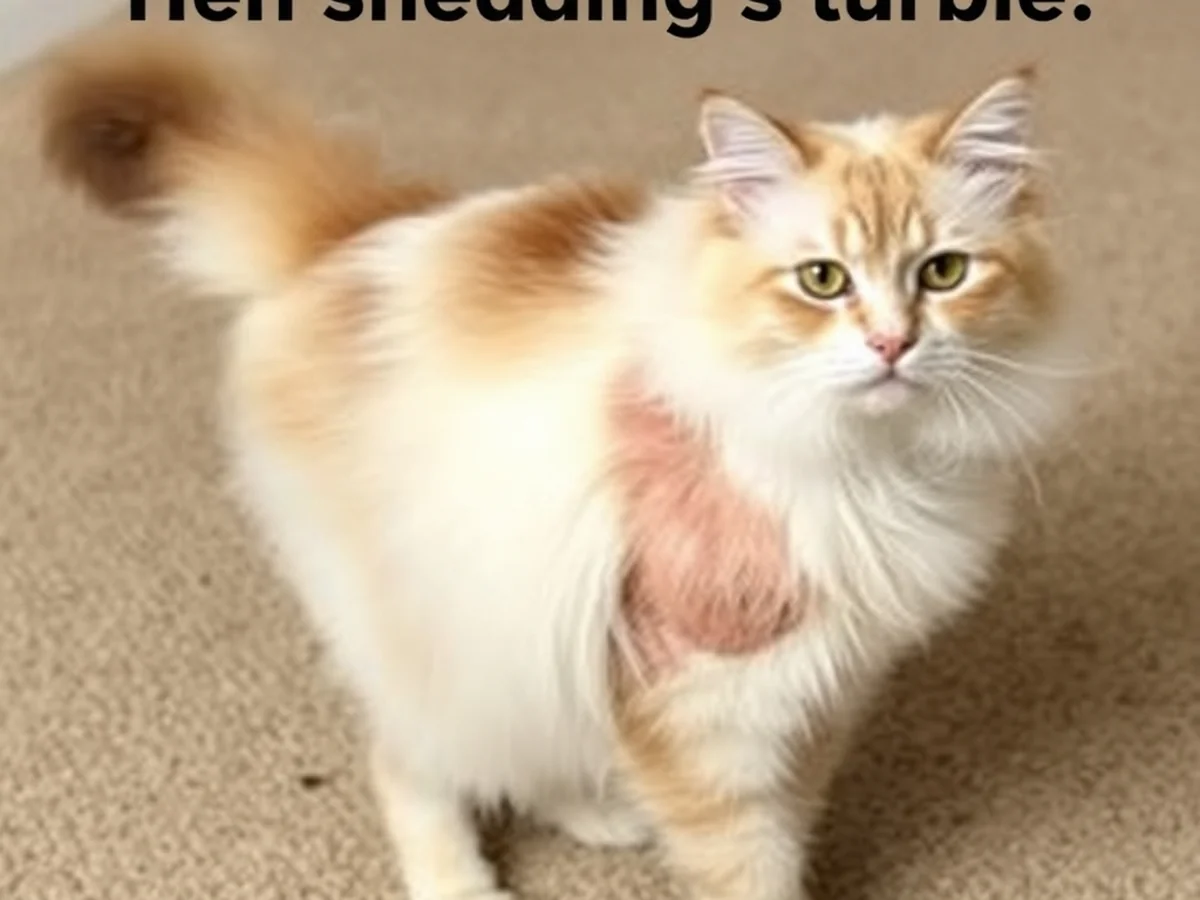
You might expect a hypoallergenic cat to be hairless, but siberian cat shedding is a very real part of owning this breed. While these cats produce lower levels of the Fel D1 protein, they still lose fur throughout the year.
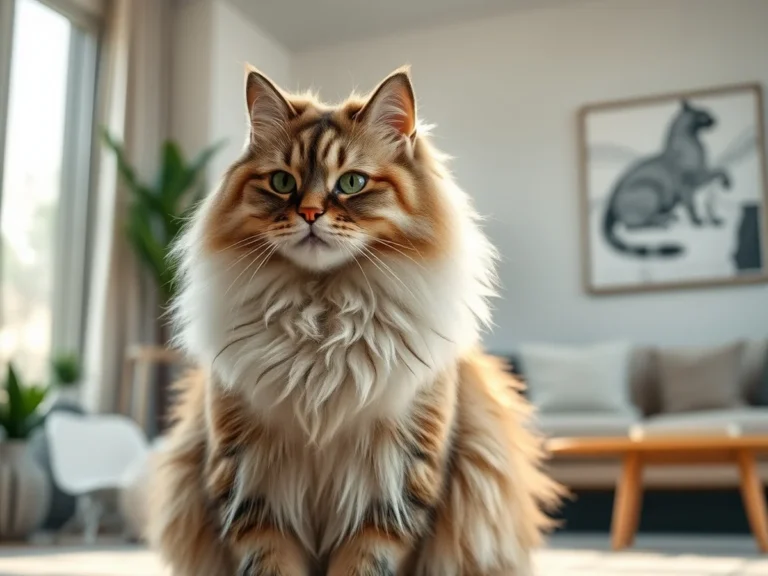
These cats possess a dense triple coat designed to survive harsh climates. This structure includes a thick undercoat and protective guard hairs that help the cat regulate its body temperature. Because of this specialized fur, you will find hair on your furniture even if you suffer from mild allergies.
Expect your cat to shed moderately every day, with heavy bursts during the spring and autumn months. Managing this coat requires a consistent routine using a quality stainless steel comb. I have found that spending at least 10 minutes, three times a week, keeps their fur healthy and prevents painful mats from forming. Proper maintenance is the secret to a happy home.
Understanding Triple Coats
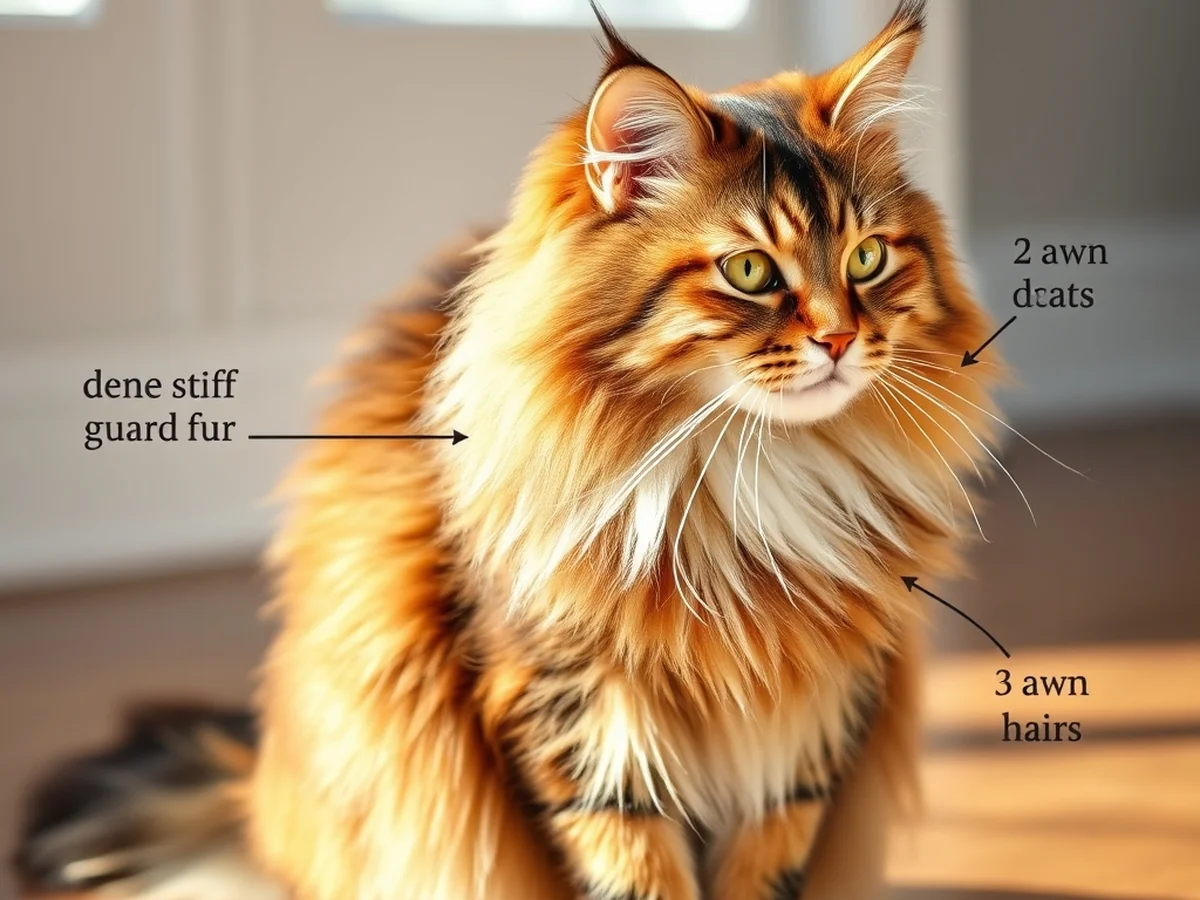
Siberian cats possess a unique triple coat designed to survive harsh climates. This structure includes three distinct layers that work together to trap warmth and repel moisture.
The outer layer consists of stiff guard hairs that act as a waterproof shield. Beneath these sit the awn hairs, which provide extra thickness and texture. Finally, a dense, downy undercoat creates an insulating barrier against freezing temperatures. This complex arrangement is why siberian cat shedding involves such significant volume compared to single-coated breeds.
The density of this fur is remarkable, as it contains about 50 percent more hair per square inch than typical domestic cats. This physiological adaptation allows the breed to thrive in the sub-zero temperatures of its native Russia. Because the undercoat is so thick, the hair often stays trapped until it is removed by a stainless steel comb or regular brushing.
While this triple layer is excellent for cold weather, it means these cats experience a major coat blow during the spring and autumn months. You might notice your cat losing large clumps of hair as the season changes. Managing this natural cycle requires consistent care to keep your pet comfortable and your home clean.
Seasonal Coat Changes
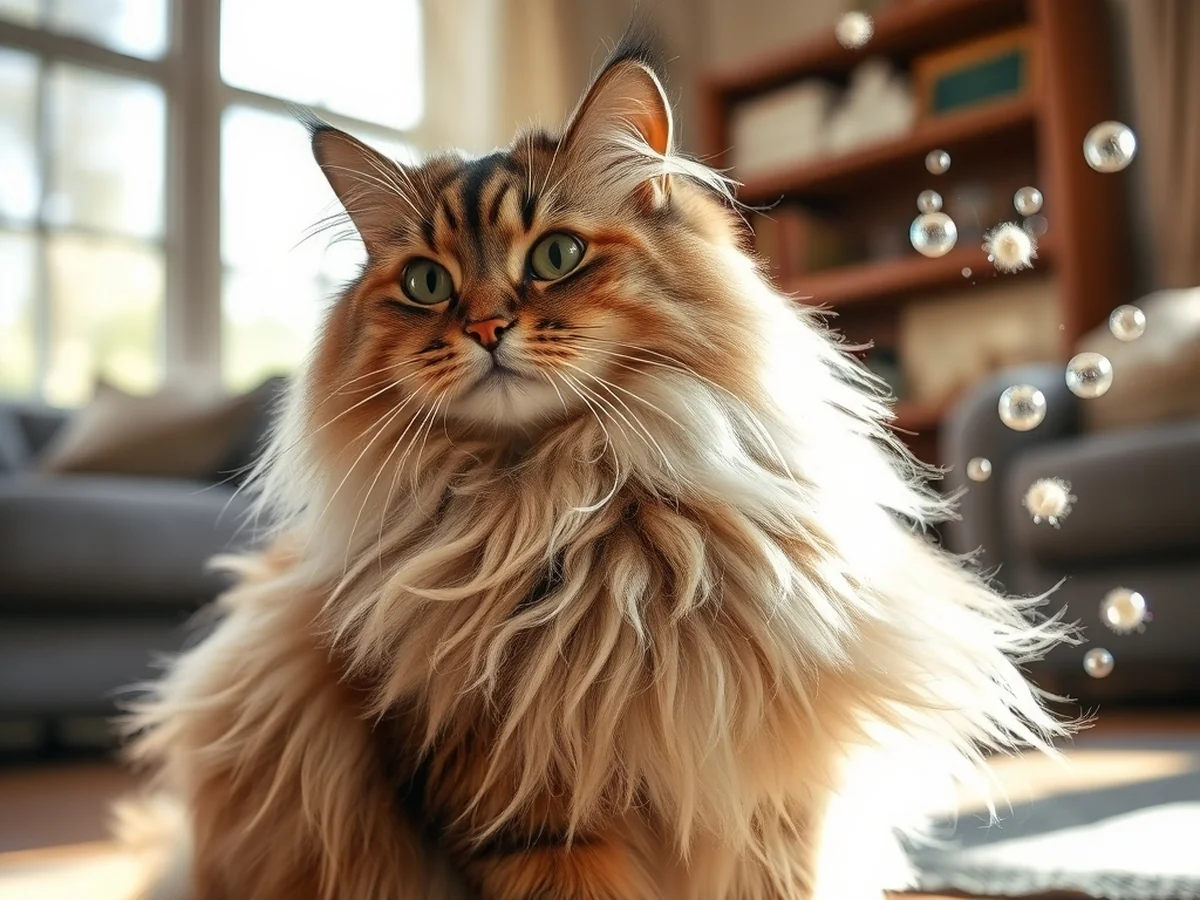
Siberian cats experience standard daily hair loss throughout the year, but they also go through two major periods of heavy shedding. These events, known as blowing their coat, happen during the spring molt and the autumn molt. Your cat will lose vast amounts of their dense undercoat to adjust for changing temperatures. This cycle is far more intense than typical daily shedding and requires extra attention to your siberian cat shedding management routine.
Indoor living often confuses a cat’s internal clock. Because your home stays at a steady temperature and has artificial light, many cats shed consistently rather than in two big bursts. This disrupted cycle can lead to hair everywhere in your home all year long. You might notice your cat losing more fur during winter months if your home stays warm, as their body doesn’t receive the signal that it needs a thick coat for freezing weather.
Managing this requires patience and the right tools. A triple coat consists of a dense undercoat and protective guard hairs that trap dead fur close to the skin. If you leave this fur, it creates mats that pull on your cat’s skin. Plan to spend at least 15 minutes brushing your cat during these intense seasonal shifts to keep their skin healthy.
Kitten Coat Development
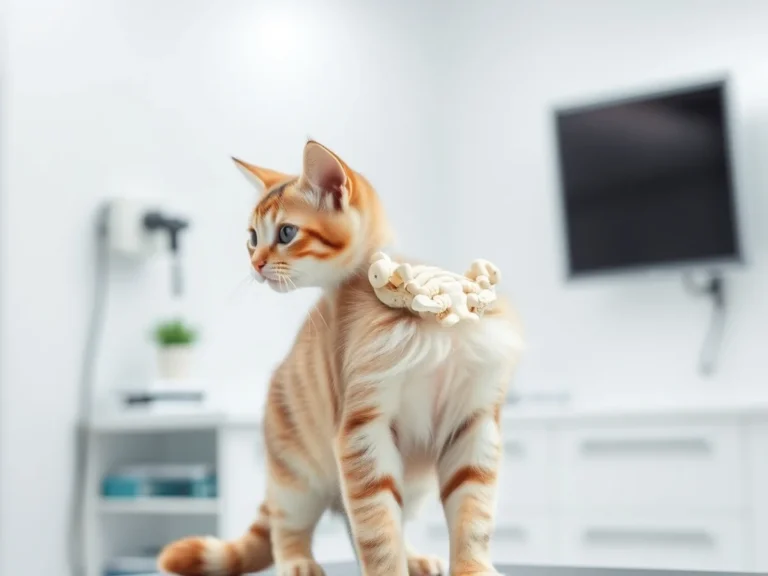
Siberian kittens have much less hair than adults because their thick **triple coat** has not fully formed yet. During the first few months, a kitten typically displays a softer, shorter, and thinner layer of fur. They lack the dense, insulating undercoat and the long, water-repellent guard hairs that define the breed as they age. This is why you will notice very little siberian cat shedding during the first half-year of their life.
The major change happens between 6 and 9 months of age. This is when the kitten coat begins to transition into the thick, luxurious adult fur. You might see more loose hair during this period as the kitten fur falls out to make room for the coarser, denser strands. It is a natural process that prepares them for the harsher weather conditions their ancestors faced in the wild.
I have found that starting a **consistent grooming routine** during this transition is vital. Even if they don’t have much hair yet, using a soft brush helps them get used to the sensation. By the time they hit their first birthday, they will have their full adult coat. You should expect a more significant increase in shedding once that thick undercoat is fully established.
Grooming Routine Essentials
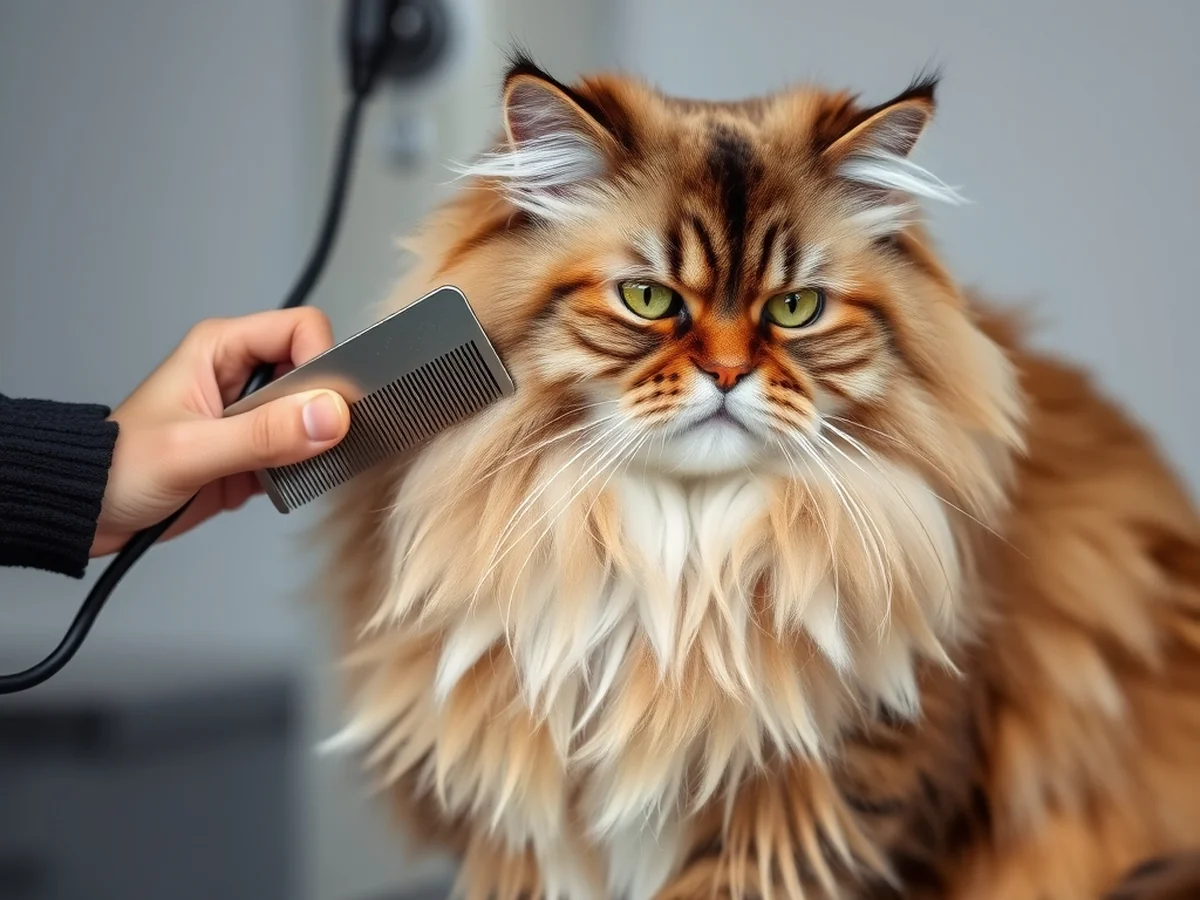
You should start brushing your kitten as soon as you bring them home. This early training helps them stay calm during siberian cat shedding cycles later in life. Handle their paws and ears gently so they associate these sessions with positive attention.
A triple coat requires specific tools to reach the dense undercoat without damaging the outer guard hairs. I suggest keeping a stainless steel comb on hand for daily maintenance. It is excellent for finding small knots near the skin before they become painful mats. Use it to gently work through the thick fur around the neck and belly.
For the heavier shedding periods, a slicker brush is your best choice. It effectively pulls out loose hair from the undercoat. You will find that using this brush twice a week significantly reduces the amount of hair left on your furniture. Expect to spend about 10 minutes per session to keep their coat healthy and soft.
- Use a stainless steel comb with rounded teeth to prevent scratching the skin.
- Keep grooming sessions short at first to reward your cat with treats.
- Avoid harsh deshedding tools that might break the delicate guard hairs of a Siberian.
- Check for mats behind the ears where the fur is finest.
Dietary Coat Support
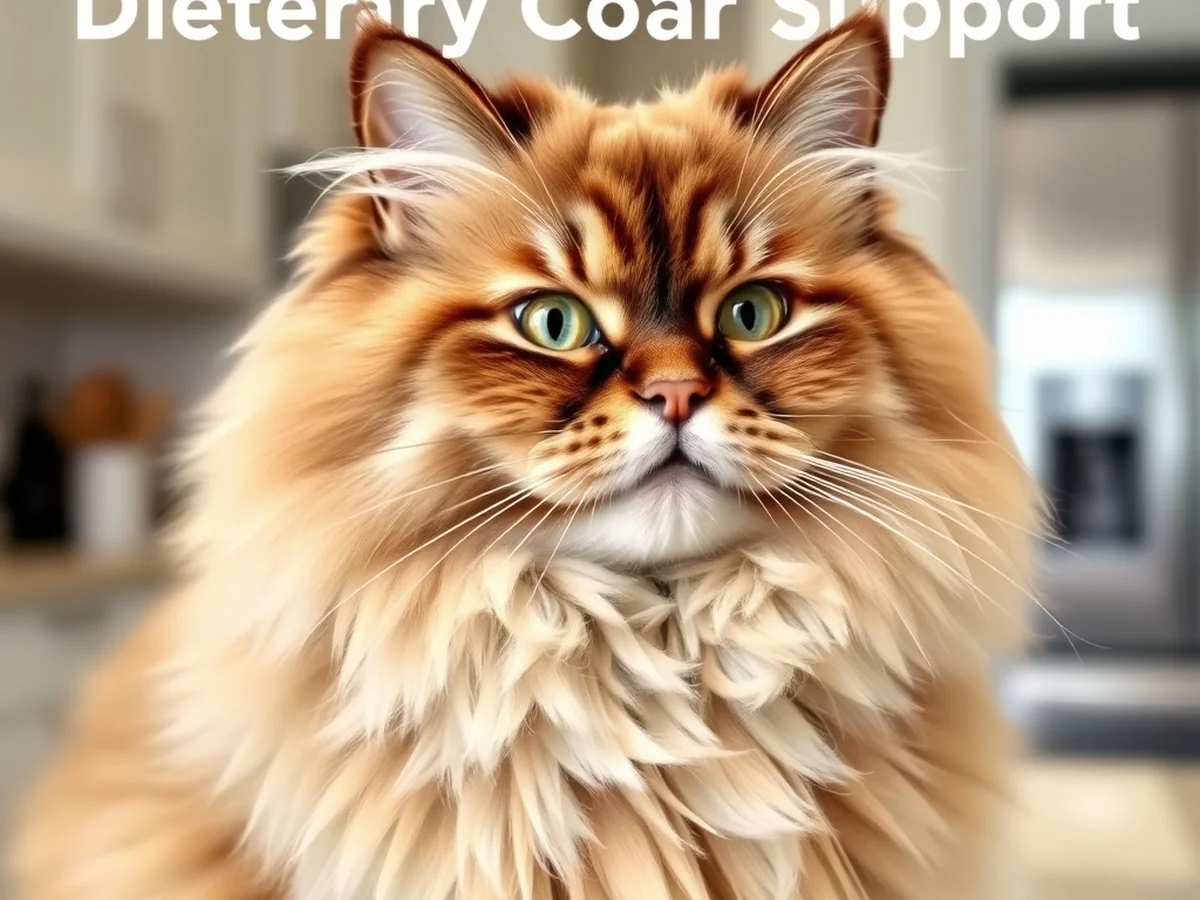
A high protein diet acts as the foundation for healthy fur and helps minimize **siberian cat shedding**. Since hair is mostly protein, your cat needs quality animal sources to maintain a strong coat. Feeding a diet where meat is the first ingredient prevents brittle hairs that break off easily and contribute to excessive mess in your home.
Adding **Omega-3 fatty acids** to your cat’s meals significantly improves skin and follicle health. These healthy fats reduce inflammation and keep the skin barrier strong, which stops the hair from falling out prematurely. You might notice a softer texture and less loose fur after adding a high quality fish oil supplement to their daily routine.
- Look for food containing at least 30 percent protein to support the dense triple coat structure.
- Add one teaspoon of wild salmon oil per meal to provide essential fatty acids for the skin.
- Check the ingredient label for taurine, which is vital for overall health and coat strength.
Good nutrition won’t stop the natural seasonal shedding in siberians, but it will keep the hair that does fall out manageable. When the follicle is nourished, the hair holds onto the skin until it completes its natural growth cycle. This results in less hair floating around your house between grooming sessions.
When Shedding Signals Trouble
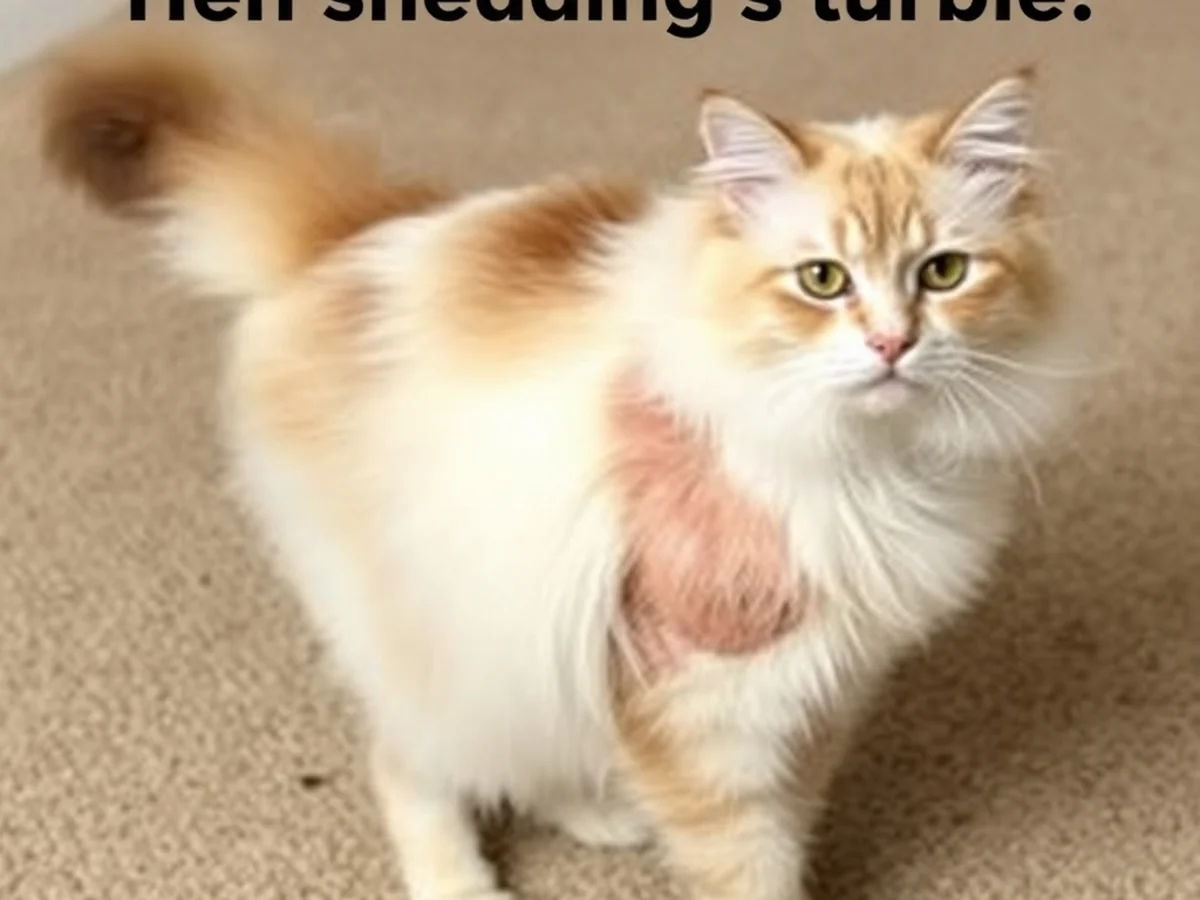
Normal siberian cat shedding follows a natural cycle linked to the seasons. You will see a heavy coat loss during the spring molt and autumn molt as the cat adjusts to temperature changes. This process involves the entire undercoat but should never leave the skin exposed.
You should worry if you notice bald patches or thinning areas on your cat. A healthy coat has a consistent density across the body. If your cat displays red, inflamed skin or excessive scratching, these are clear signs of an underlying issue rather than a standard coat change. You might also notice your cat over-grooming specific spots, which often points to allergies or discomfort.
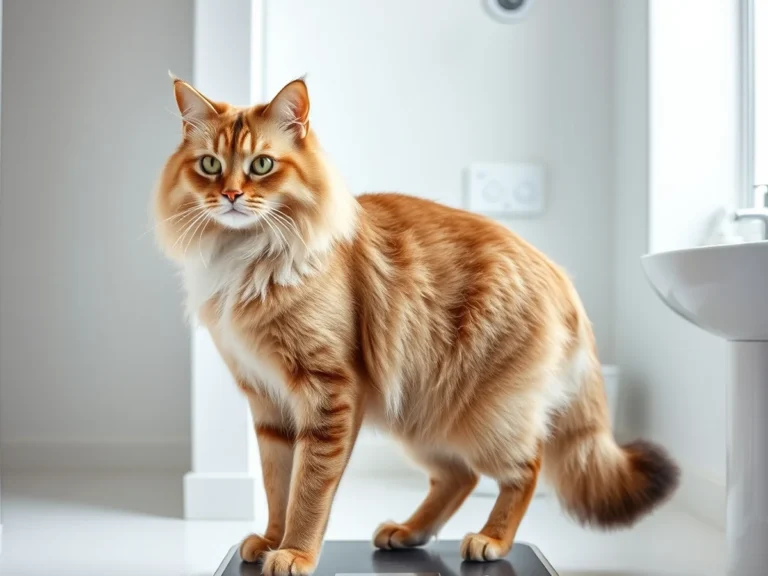
Stress can also trigger sudden hair loss that mimics a heavy shed. If your cat is losing fur in clumps while acting lethargic, consult your veterinarian. A simple blood test, often costing around $150, can rule out thyroid problems or nutritional deficiencies.
To keep track of their skin health, use a stainless steel comb to lift the fur and inspect the surface underneath. If you find crusty skin or open sores, stop your current grooming routine and see a professional. Healthy follicle function requires proper hydration and a diet rich in Omega-3 fatty acids.
Managing Hair at Home
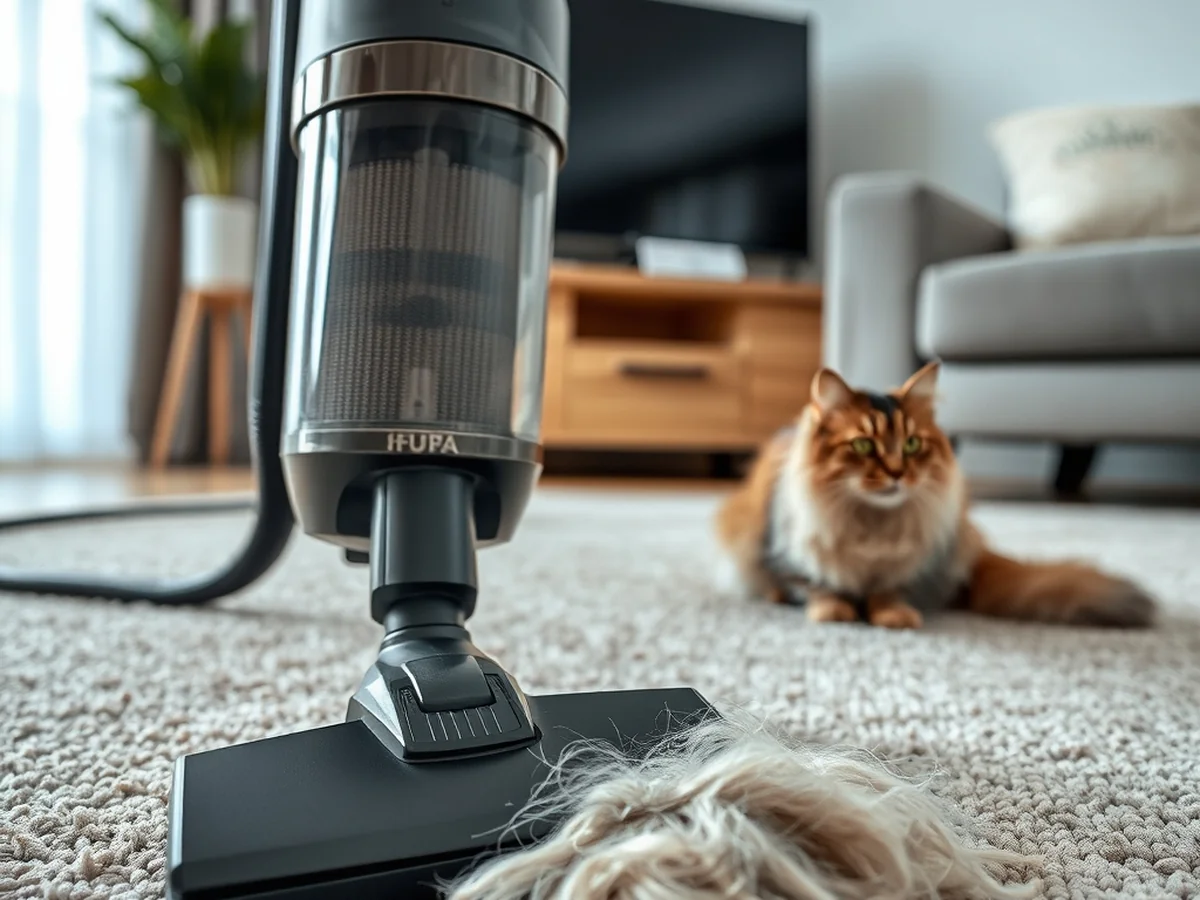
You can keep your home clean by using a HEPA filter vacuum designed specifically for pet hair. These vacuums use strong suction to pull loose fur and dander from deep inside your carpet fibers. I find that running the vacuum at least twice a week helps keep the hair volume under control.
For furniture, skip the standard cloth attachments. Use a rubber-tipped tool or a silicone squeegee to pull stubborn strands off fabric sofas. If your couch is velvet or microfiber, a reusable lint roller works best to pick up stray guard hairs without damaging the material. I keep one near the door for quick touch-ups before guests arrive.
Air purifiers are essential for managing siberian cat shedding throughout your house. They catch floating fur and microscopic dander before it settles on your surfaces. Place a unit with a true HEPA rating in the room where your cat spends the most time. A model covering 300 square feet is usually enough to keep the air fresh in a standard living space.
Regular maintenance reduces the amount of hair that ends up on your clothes. Always focus on high-traffic areas where your cat likes to nap. This simple routine stops loose fur from building up into thick mats on your floor.
Shedding and Dander Explained
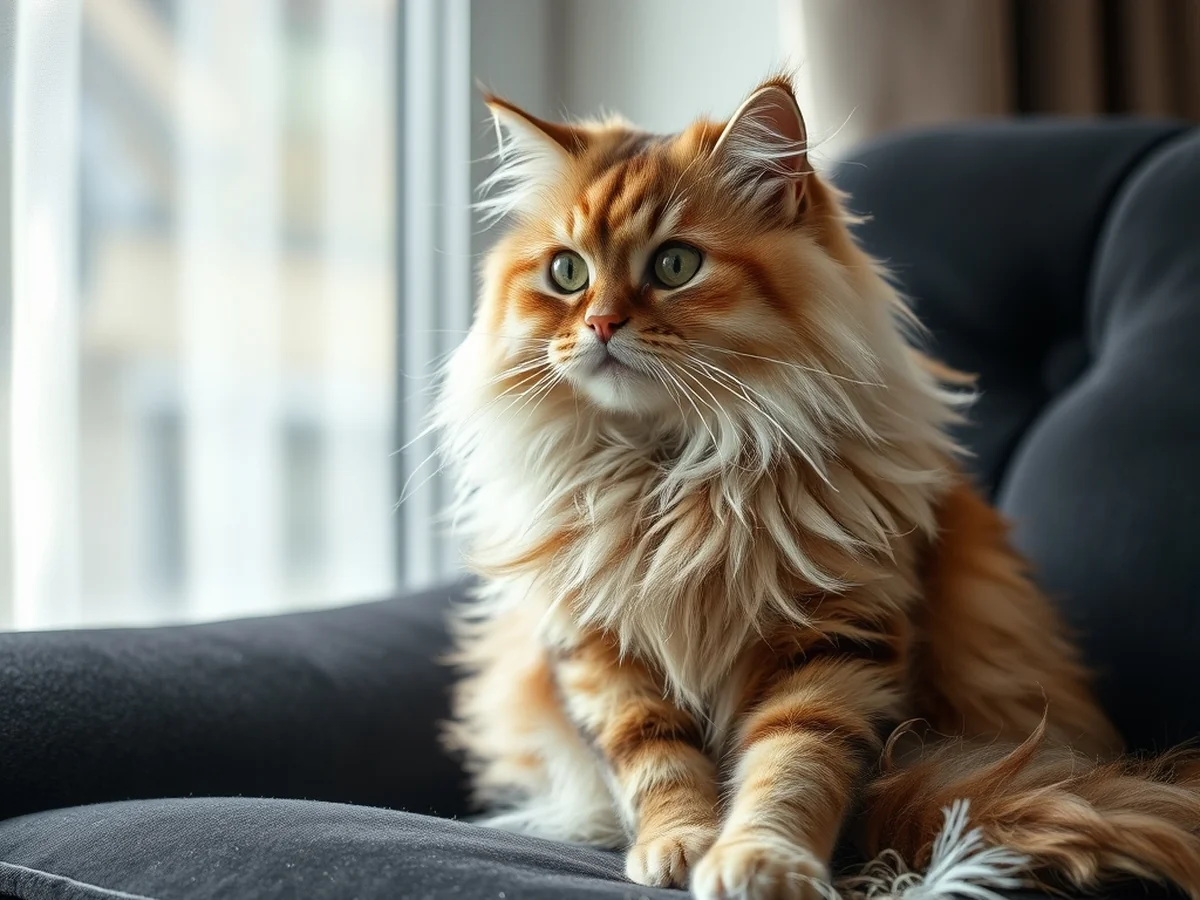
You might hear that siberian cat shedding is minimal because these cats are hypoallergenic. This is a common misunderstanding. While Siberians produce lower levels of the FEL D1 protein compared to other breeds, they are not completely allergen-free. Your cat still produces dander, which is the actual source of most allergic reactions.
These cats possess a dense triple coat designed for harsh winters. This structure includes a soft undercoat and longer guard hairs. Because of this volume, they do shed, especially during the spring and autumn molt. You will notice more hair loss during these times as your cat adjusts to changing daylight hours. If you suffer from allergies, you must understand that dander will still be present in your home.
Regular grooming is your best defense against both loose fur and dander. When you brush your cat, you trap dead hair and skin flakes before they float into your living space. I recommend a stainless steel comb for daily maintenance to reach the deep undercoat. Aim for at least 15 minutes of grooming time per session to keep the fur healthy. This simple routine prevents heavy matting and keeps your home much cleaner. Even if your cat has a lower protein profile, consistent care remains vital for managing their coat effectively.
FAQ
How often should I brush my cat?
You should brush your cat at least twice a week to manage siberian cat shedding. Increasing this to daily sessions during the spring molt prevents painful matting in their dense triple coat.
What tools are best for maintenance?
A high-quality slicker brush is essential for removing loose fur from the top layer. Follow this with a stainless steel comb to reach the thick undercoat and catch any knots near the skin.
Do kittens shed differently?
Siberian kittens have a soft, single-layered coat that sheds very little during their first few months. They start to develop their full triple coat and experience heavier seasonal shedding once they reach six to nine months of age.
What is blowing the coat?
Blowing the coat is a period of intense hair loss that happens twice a year due to changes in daylight. Unlike daily shedding, you will notice large clumps of fur coming out as the cat prepares for a new season.
Are they truly hypoallergenic?
While Siberians produce less of the FEL D1 protein than other breeds, they are not completely allergen-free. They still produce cat dander, and the level of siberian cat shedding can still distribute proteins around your home.
When is hair loss concerning?
You should talk to a vet if you see bald patches or skin irritation. A healthy cat might lose a lot of hair, but they should never have thin or patchy areas on their body. A simple $15 grooming kit is a great starting point for your routine.
Consistent Grooming Routine
You can keep siberian cat shedding under control by following a simple, weekly schedule. These cats have a thick triple coat that requires regular attention to stay healthy and soft. If you brush your pet at least twice a week, you will catch loose fur before it ends up on your sofa or floors.
I have found that using a high-quality stainless steel comb works best for reaching the dense undercoat. This tool helps prevent painful mats from forming near the skin. While these cats do have a seasonal molt, a steady routine keeps the loose hair manageable year-round.
Bonding Through Care
Try to view these grooming sessions as a special time to bond with your cat rather than a chore. Most Siberians grow to love the extra attention and physical touch. If you start when they are kittens, they will likely sit still for the process without any fuss.
Make sure you have a reliable lint roller with at least 60 sticky sheets nearby to clean your clothes afterward. This simple habit turns a necessary task into a relaxing ritual for both of you. By staying consistent, you will notice significantly less hair around your home while keeping your cat happy and comfortable.
For another perspective, this detailed piece on Do Siberians shed more / less / as much as most cats / it de is worth a read.
You might also like: Siberian Cat vs Norwegian Forest Cat: How to Tell Them Apart