Best Food for Siberian Cats: A Complete Diet Guide
Introduction
The best food for Siberian cats supports their massive 15 to 20 pound frames and promotes a healthy, triple-layered coat. Choosing the right nutrition is the most effective way to ensure your cat stays active and vibrant throughout its life.
Siberian Forest Cats require a diet heavy in animal-based protein to maintain their dense muscle mass. Because these cats are prone to specific health issues, their meals must prioritize kidney health and proper hydration. Many experts recommend canned wet food to help prevent common urinary tract complications.
This guide explains how to read labels for essential amino acids like taurine and how to balance energy intake. You will learn the difference between various feeding styles to keep your cat at a healthy body weight. Proper nutrition acts as the foundation for your cat’s long-term wellness and coat quality.
Siberian Cat Protein Requirements
Siberian Forest Cats need a diet rich in animal-based protein to maintain their large frames. Because this breed is naturally muscular, they require high levels of amino acids to support lean muscle mass. You should look for labels that list fresh meat as the first ingredient.
In my experience, high protein cat food for large breeds is the most reliable way to ensure your pet stays strong. A diet centered on animal tissue rather than plant-based fillers provides better bioavailability for their digestion. Aim for a protein content that exceeds 40 percent on a dry matter basis.
Taurine is a vital amino acid that must be included in every meal to protect heart and eye function. Since cats cannot produce enough taurine on their own, finding the best food for siberian cats means checking that this essential nutrient is added in sufficient amounts. Deficiency in taurine can lead to serious cardiac issues over time.
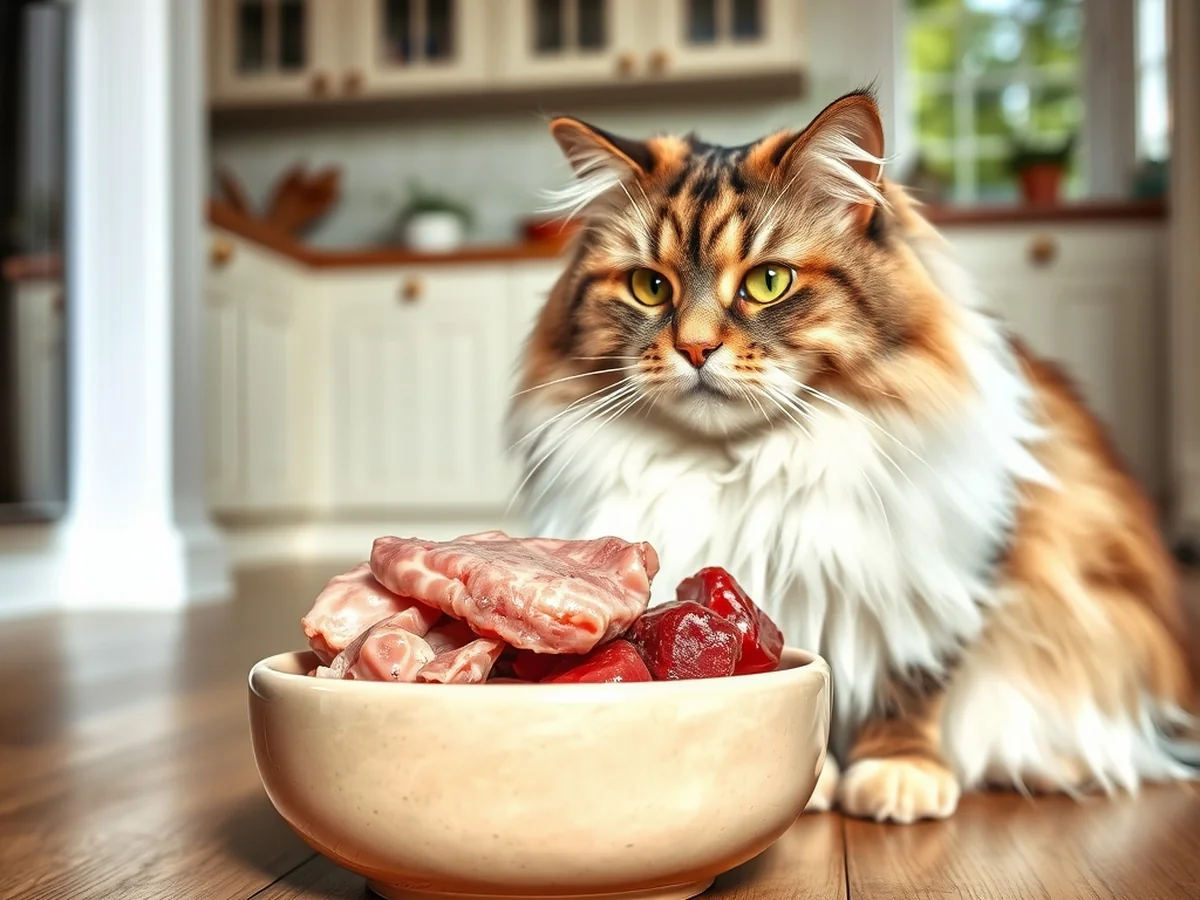
Most experts suggest that canned wet food is superior to dry kibble for these cats. Wet options naturally contain higher moisture levels, which help support long-term kidney health and urinary tract function. I have found that adding a small portion of raw beef, about 10 percent of their daily intake, can also boost their coat health. Always monitor your cat for any signs of weight gain, as these large cats can become overweight if their caloric intake is not carefully managed.
Hydration for Siberian Cats
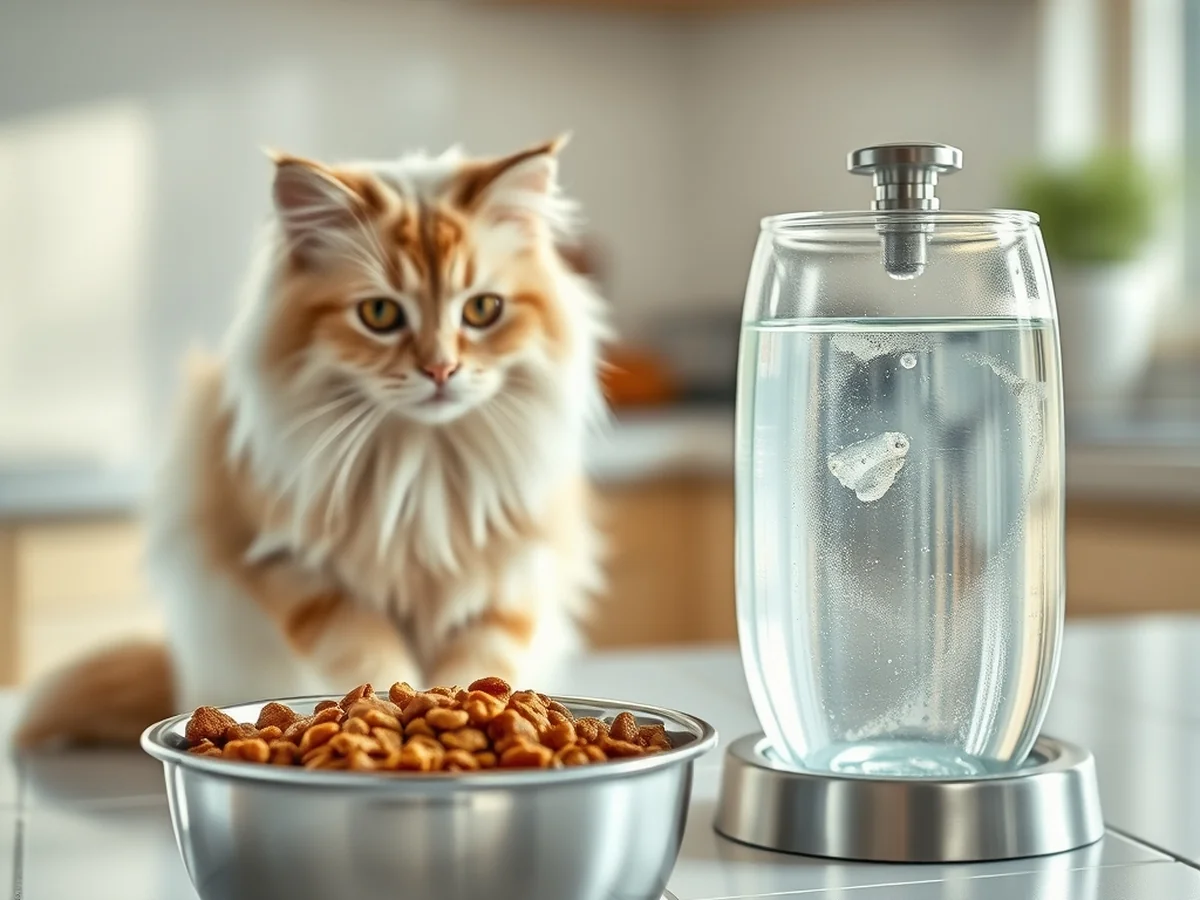
The best food for Siberian cats should always focus on high moisture content. Canned wet food typically contains about 75 percent water, which mimics the natural intake of wild ancestors. Dry kibble often has less than 10 percent moisture. This major difference makes wet options far better for your pet.
Siberian Forest Cats often have a lower natural thirst drive. They do not seek out water bowls as frequently as dogs. Feeding them canned wet food ensures they get enough liquid throughout the day. This simple habit keeps them hydrated without extra effort from you.
Consistent moisture intake is vital for long term urinary tract health. When cats eat dry diets, their urine often becomes too concentrated. This can lead to painful crystals or stones. High moisture levels keep the bladder flushed and healthy. It also supports kidney function in large breeds that require significant energy for muscle maintenance.
If you prefer to feed a mix, try adding a few tablespoons of warm water to every meal. This helps increase daily intake even further. I have noticed that cats on moisture-rich diets maintain better body weight and have clearer eyes. If you choose to feed kibble as a treat, keep the portion small to avoid dehydration risks. Always prioritize wet formulas to keep your cat thriving and avoid common issues that arise from eating only dry, processed bits.
Reading Ingredient Labels
You should prioritize labels that list a specific animal source as the first ingredient. Look for fresh meat like chicken or turkey rather than vague meals or meat by-products. This ensures your cat gets the necessary amino acids for muscle maintenance.
Avoid any formula containing corn, wheat, or soy. These ingredients act as cheap fillers that offer little nutritional value for a Siberian Forest Cat. If you see high amounts of peas or lentils, be cautious. These plant proteins often inflate the total protein count while lacking the bioavailability found in animal tissue.
A high-quality label should highlight healthy fats to support that iconic thick coat. Check for sources like salmon oil or flaxseed. These ingredients provide essential Omega fatty acids that reduce shedding and keep the skin hydrated. I always aim for a minimum of 2 percent Omega-3 content in the guaranteed analysis to ensure visible results.
When selecting the best food for Siberian cats, consistency matters more than marketing claims. Check the back of the bag or can for a clear statement of taurine inclusion. This amino acid is vital for heart and eye health in large breeds. If the ingredient list is longer than 30 items, it likely contains too many preservatives or artificial additives. Stick to simple, recognizable components that prioritize animal-based protein to help your cat maintain a healthy body weight over time.
Kitten Growth Needs
Siberian Forest Cat kittens require high-calorie diets to support their rapid skeletal and muscle development. These growing cats need a protein-rich diet to build a strong frame. Look for kitten-specific labels that provide extra amino acids and taurine for heart health.
In my experience, feeding your kitten a mix of high-quality canned wet food and a small amount of kibble helps them adjust to different textures. Since this breed grows until they are about 5 years old, keep them on a kitten-specific formula for the first 12 months. This ensures they get enough energy to fuel their high activity levels.
Adult Maintenance Diet
Once your cat reaches one year, transition them to an adult formula designed for muscle maintenance and long-term health. Adult Siberians need fewer calories than kittens to prevent obesity, especially if they are less active. The best food for siberian cats at this stage focuses on controlled fat levels and high animal-based protein.
I suggest monitoring your cat’s body weight closely during this switch. If you see them gaining too much weight, reduce the portion size by 10 percent. Maintaining a healthy weight is vital for their long-term kidney health and overall vitality. Always ensure fresh water is available to support their urinary tract function, particularly if you rely heavily on dry kibble. Proper hydration is a simple way to keep your companion healthy for years to come.
Managing Siberian Cat Weight
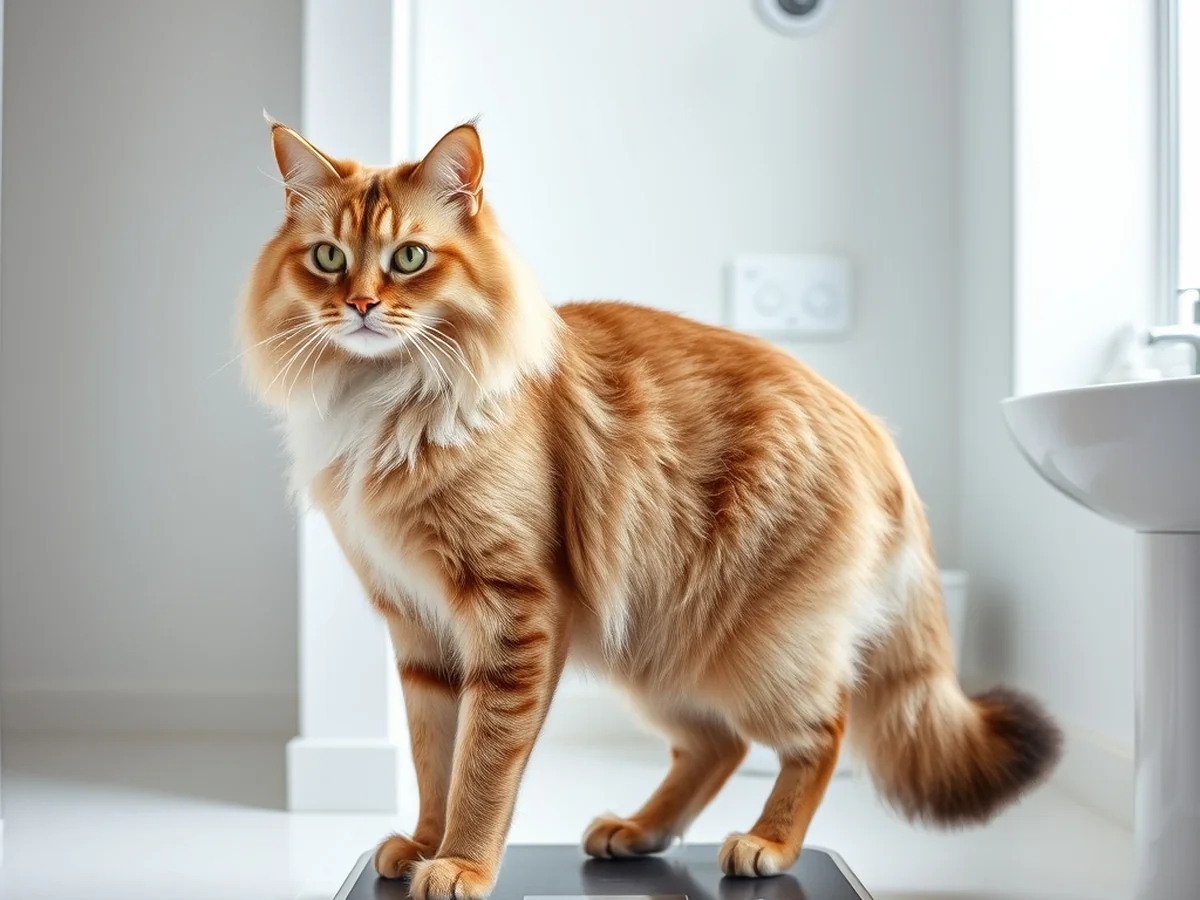
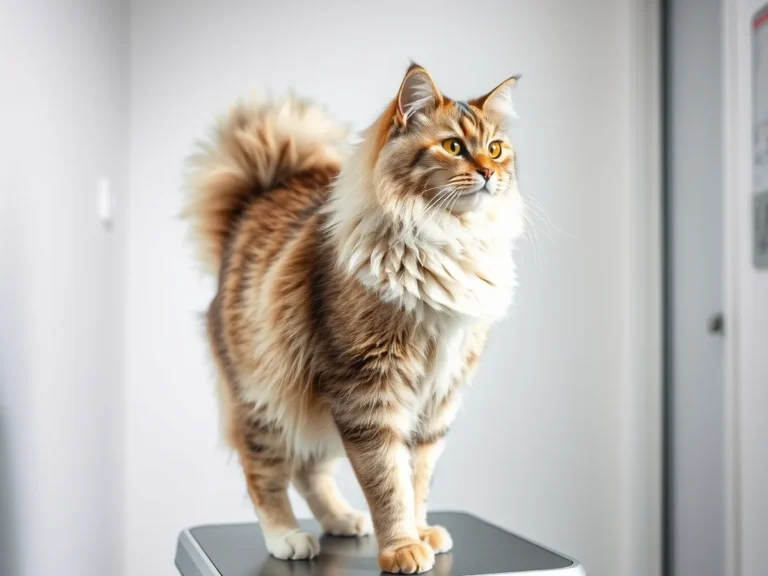
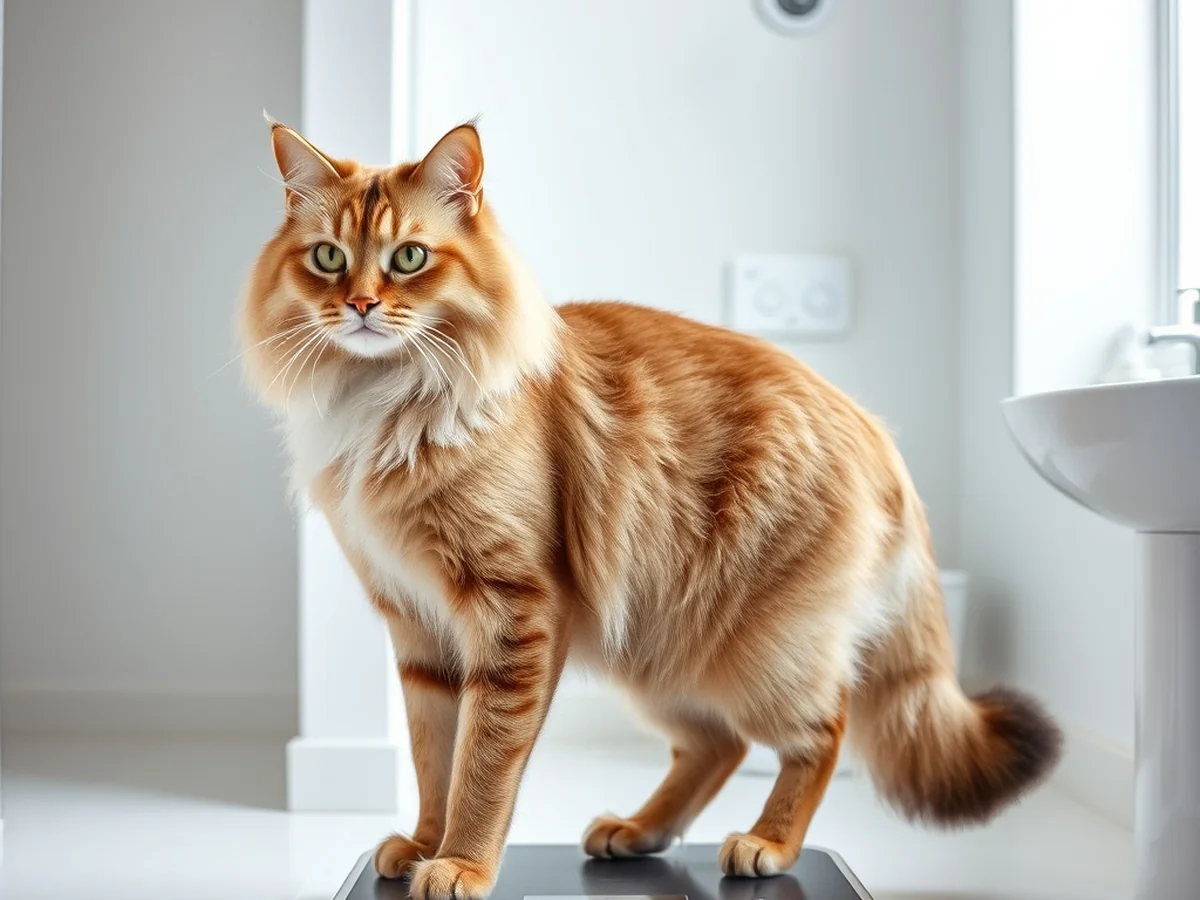
Siberian Forest Cats often gain weight after being neutered because their metabolism slows down. Keeping a healthy body weight is vital for their long term joint health and heart function. You should aim for a lean physique where you can feel their ribs under a light touch.
Obesity in neutered adults often starts with free feeding. Leaving a bowl of kibble out all day encourages overeating. Instead, divide their total daily caloric intake into two or three measured meals. This structure gives you better control over exactly how much your cat eats.
The best food for Siberian cats usually contains high levels of animal protein to support muscle maintenance. Avoid foods packed with excessive carbohydrates, as these lead to rapid weight gain. I recommend using a kitchen scale to measure portions precisely. Feeding exactly 200 calories per day is a common starting point for a moderately active adult cat.
Prioritize canned wet food to boost hydration levels. Wet meals keep your cat feeling full longer than dry biscuits. If your cat begs for food between meals, use puzzle feeders to slow down their eating speed. This mental stimulation burns energy and prevents them from gulping down a meal too fast. Monitor their weight every two weeks to adjust portions before small gains become a lasting problem. Always consult your vet if you notice a sudden change in their appetite or energy levels.
Raw Diets for Siberians

Feeding your cat fresh meat is a popular choice for owners seeking a biologically appropriate diet. This method focuses on high levels of animal-based protein and moisture to support the needs of a Siberian Forest Cat.
Raw feeding is different from standard commercial options because it removes all processed additives and high levels of carbohydrates. Many owners see improvements in coat quality and energy when providing fresh raw beef or other muscle meats. However, this is not just a trend. It must be a clinical decision based on feline biology.
The primary challenge is achieving a balanced nutrient profile. Cats require specific levels of calcium, phosphorus, and essential amino acids like taurine to thrive. Without exact measurements, you risk causing skeletal issues or organ stress over time. If you choose this path, consult a veterinary nutritionist to avoid dangerous deficiencies.
Safety is the most important factor when handling raw food. You must manage bacterial risks like salmonella by using human-grade sources and maintaining strict hygiene. Never leave raw meat out for more than 30 minutes at room temperature to prevent spoilage.
If you find raw preparation too difficult, many owners find the best food for Siberian cats by alternating with high-quality canned wet food. This provides the necessary hydration to support urinary tract health while ensuring the diet remains consistent. Always monitor your cat’s body weight closely, as large breeds can gain fat quickly if portions are not tracked.
Transitioning Your Siberian’s Diet
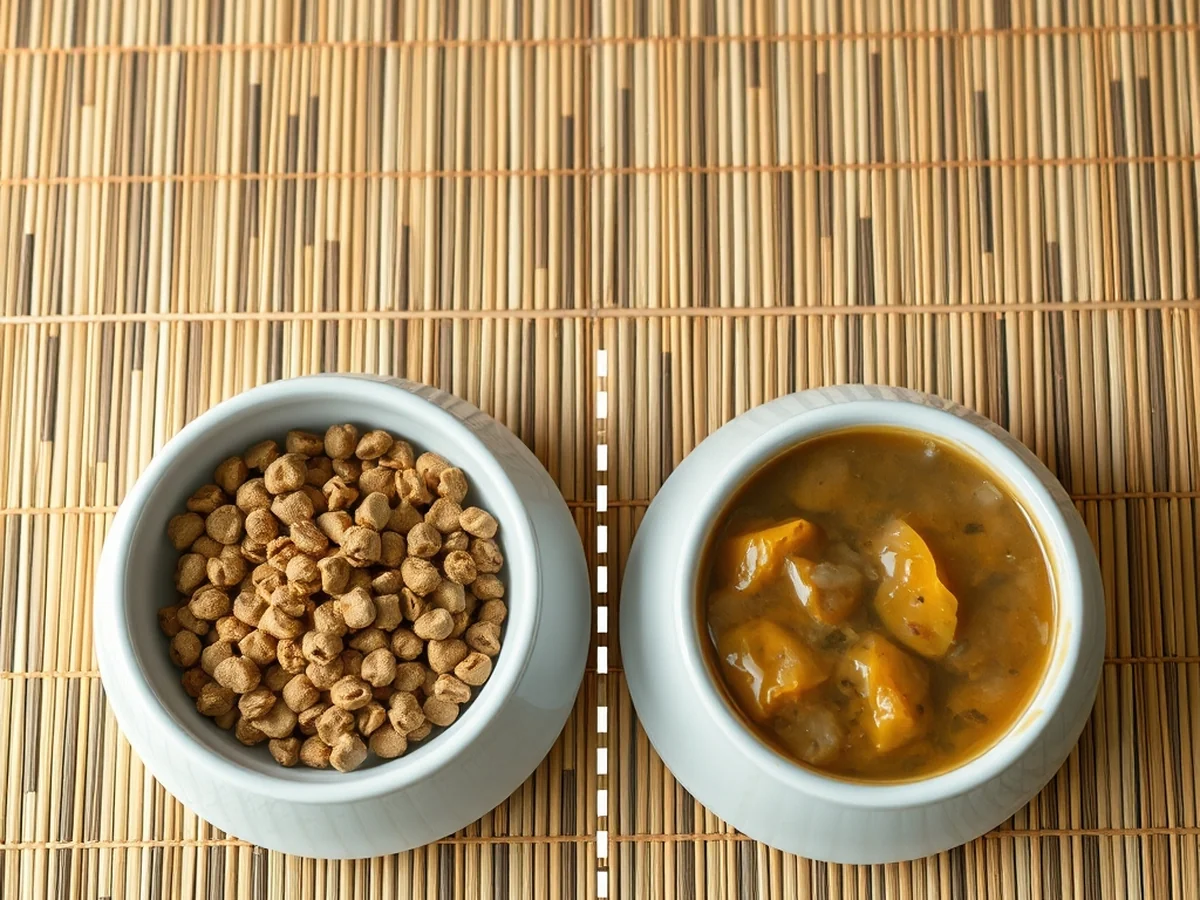
Switching your cat to the best food for siberian cats requires a slow, ten-day adjustment period. Start by mixing 25 percent of the new protein-rich diet with 75 percent of the old food. Every three days, increase the new portion while decreasing the old kibble or canned wet food.
This gradual approach helps your Siberian Forest Cat avoid digestive stress. Sudden changes often lead to loose stools or vomiting. If your cat refuses to eat, stop the process and maintain the current ratio for two extra days. Always monitor their energy levels during this time.
If you notice mild diarrhea, slow the transition further. You may need to take 14 days instead of ten to fully swap the meals. Keep a log of how much fresh meat or dry kibble they consume each day. This ensures you do not accidentally overfeed, which is vital for maintaining a healthy body weight.
- Add a tablespoon of warm water to the bowl to boost hydration.
- Avoid mixing brands that have drastically different protein sources.
- Observe their stool quality daily for signs of stomach upset.
If your cat shows signs of discomfort or stops drinking water, contact your veterinarian immediately. Some cats have sensitive systems regarding high-density amino acids. Once they accept the new formula, you can settle into a consistent feeding schedule that supports long-term kidney health and muscle maintenance. A slow pace is the safest way to ensure your cat thrives on their new nutritional plan.
FAQ
How can I prevent urinary crystals?
The best food for Siberian cats to support a healthy urinary tract is canned wet food. This provides essential moisture, which dilutes urine and keeps the bladder flushed. Aim for foods with at least 75 percent water content to ensure optimal kidney health.
Are grain-free diets necessary?
Grain-free labels are often a marketing tactic rather than a nutritional requirement. Your cat needs high levels of animal-based protein and taurine rather than a lack of grains. Focus on ingredient lists that prioritize real meat over fillers like corn or wheat.
Is mixing commercial food and fresh meat healthy?
You can safely offer fresh meat as a topper or small meal alongside high-quality commercial cat food. This practice adds variety and boosts hydration levels. Keep fresh portions to about 10 percent of the total daily calorie intake to maintain a balanced diet.
Why is wet food better for this breed?
Siberian Forest Cats are large, active animals that often struggle to drink enough water from a bowl. Wet food provides consistent hydration, which helps protect their urinary tract and supports healthy digestion. It also makes it easier to control daily portions to prevent excess weight gain.
What is the ideal protein content?
Siberians require a diet rich in high-quality animal protein to support muscle maintenance and their dense, heavy coats. Look for labels where the first three ingredients are specific animal sources, like chicken or salmon. A diet with at least 40 percent protein on a dry matter basis is ideal for this breed.
Conclusion
Choosing the best food for siberian cats requires focusing on high protein levels and proper hydration to support their large frame. Your cat relies on animal-based ingredients to maintain muscle mass and a healthy coat.
Watch your cat closely for signs of dietary success. A shiny, soft coat and steady energy levels indicate the current nutrition plan is working well. If you notice dull fur or sudden weight changes, check your ingredient labels for hidden fillers or excessive carbohydrates.
Every Siberian Forest Cat has unique needs based on age and activity level. You should consult your veterinarian to create an individual health plan that targets specific concerns like urinary tract health or weight management. Your vet can provide a precise caloric recommendation, such as an average of 250 to 300 calories per day for a moderately active adult cat.
Transitioning to new meals should always happen slowly over 7 to 10 days to avoid digestive upset. Focus on high-quality canned wet food to ensure your pet receives enough moisture for kidney function. Keep these points in mind for long-term vitality:
- Prioritize fresh meat as the first ingredient.
- Ensure taurine is present to support heart function.
- Limit dry kibble to prevent dehydration.
- Monitor body weight to avoid joint stress.
Investing time in proper nutrition now helps prevent health issues later. Trust your observations of your cat’s daily behavior, as they are the most reliable indicator of dietary health.
For another perspective, this detailed piece on What cat food for your Siberian? : r/SiberianCats is worth a read.
You might also like: Siberian Cat Lifespan: How Long Do They Live?