Are Siberian Cats Really Hypoallergenic? What the Research Says
Introduction
Many people ask if are siberian cats hypoallergenic because they want a pet without the typical sniffles. It is a common mistake to think this term means a cat is entirely free of allergens. In reality, no cat is 100% allergen-free.
Siberian cats are often called low allergen because they produce lower levels of the Fel d 1 protein. This protein lives in a cat’s saliva and skin oils. When a cat grooms itself, the protein spreads onto its fur and dander. While these cats may trigger fewer reactions, they still produce enough protein to affect sensitive people.
You should know that individual cats vary greatly. One cat might produce very little protein, while another produces more. Before you bring a kitten home, spend at least 30 minutes in a room with a cat to test your personal reaction. This simple step saves you from future disappointment.
Why Siberian Cats Trigger Fewer Allergies
People often wonder are siberian cats hypoallergenic because of their unique genetics. These cats naturally produce lower amounts of the Fel d 1 protein compared to other breeds. This specific protein is the primary cause of feline-related allergic reactions.
Most cats produce this protein in their saliva and sebaceous glands. When a cat grooms itself, the protein dries on their fur and turns into microscopic dander. This dander then floats through the air in your home.
When you inhale these particles, your immune system identifies them as a threat. It releases histamine, which leads to sneezing, itchy eyes, and congestion. Since Siberian cats have a genetic mutation that limits how much of this protein they create, there is less allergen for your body to react to.
It is important to understand that no cat is completely allergen free. Even with this breed, some level of the protein exists. One study showed that some Siberians produce less than 10 percent of the allergen levels found in a standard domestic shorthair.
You might notice different reactions depending on the specific cat. Male Siberians often produce more of the protein than females. If you are sensitive, you should spend time with the specific cat you plan to adopt before bringing them home. Many breeders offer a 30-minute meeting window for this purpose. Testing your personal reaction in a controlled environment is the most reliable way to determine if this breed will work for your lifestyle.
Siberian Protein Production
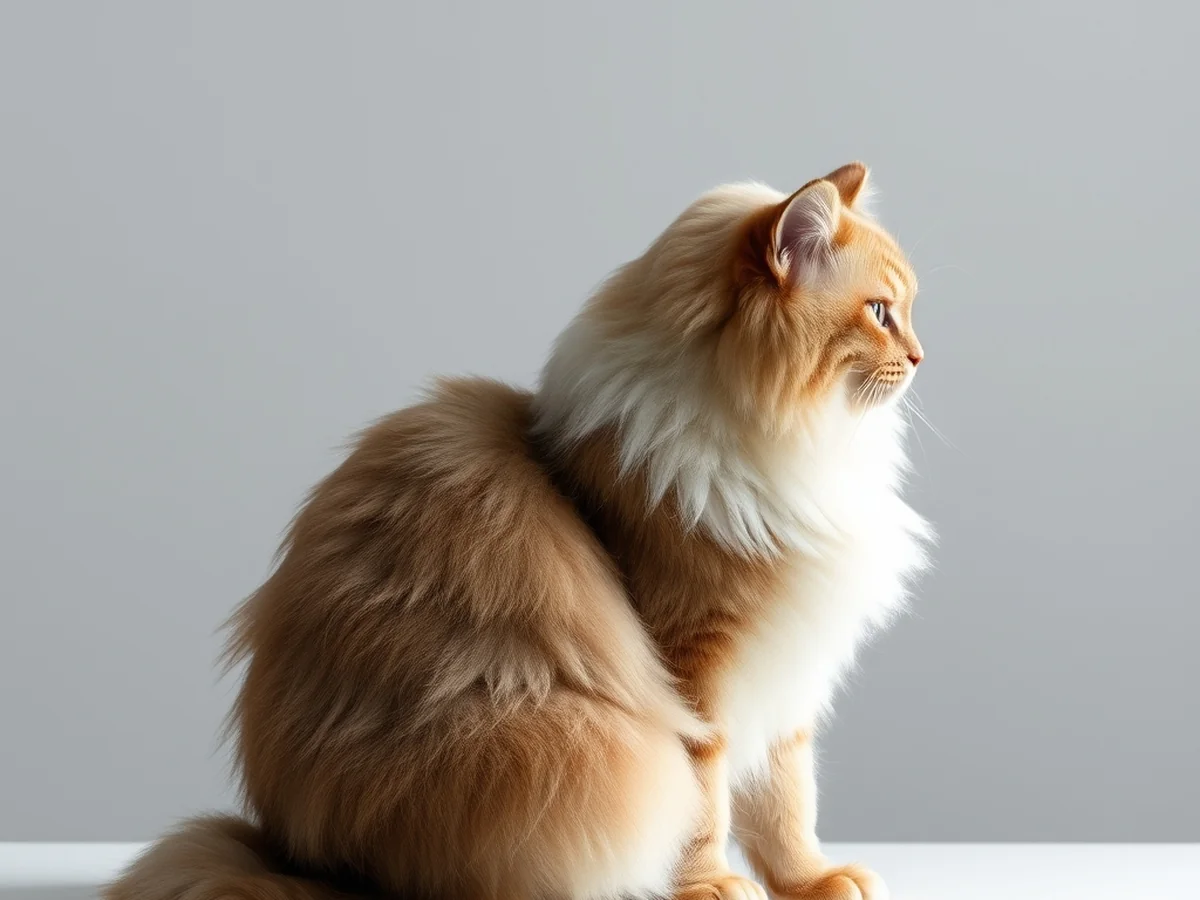
Siberians produce lower levels of the Fel d 1 protein compared to most other feline breeds. This protein is the primary allergen found in feline saliva and skin secretions. When a cat grooms itself, this protein coats the fur and eventually dries into microscopic flakes of dander that trigger your immune system.
People often ask if are siberian cats hypoallergenic because of their thick coat, but the answer relies on genetics rather than hair length. These cats carry a specific genetic mutation that limits the amount of protein their sebaceous glands secrete. This means they are not allergen-free, but they frequently produce a much smaller quantity of the trigger than a typical house cat.
It is important to understand that this is a breed trait, not a result of having less fur or dander. Even a hairless cat still produces the Fel d 1 protein in its saliva. Because Siberians have a naturally lower output, many allergy sufferers find they can tolerate living with them. However, individual cats within the breed still vary.
- Research shows that female Siberians often produce even lower levels of the protein than males.
- The average concentration of the allergen in a Siberian can be roughly 20 percent lower than in other common domestic cats.
- Because the protein is airborne, keeping a HEPA air purifier in your bedroom helps manage the small amount that is still present.
Always remember that genetics dictate how much protein a specific kitten will produce. Testing your personal reaction by spending time with a breeder cat is the only way to know if this breed is a match for your health needs.
Gender and Allergen Levels
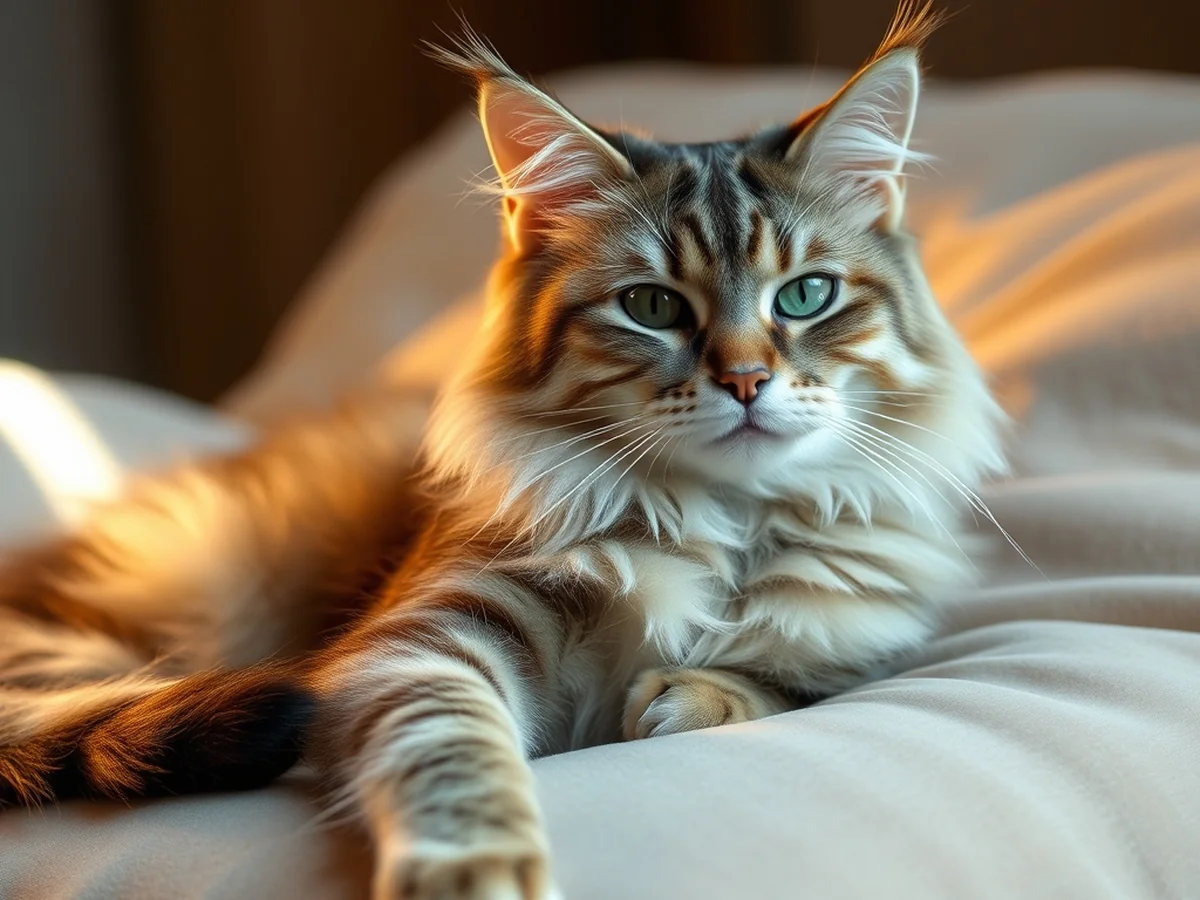
Female cats typically produce lower amounts of the Fel d 1 protein compared to their male counterparts. This specific protein is the primary trigger for most human allergic reactions. When you ask if are siberian cats hypoallergenic, the sex of the animal is a vital factor to consider.
Male Siberians often have higher concentrations of this allergen in their saliva and skin secretions. Because cats groom themselves, this protein spreads across their fur and dander. Opting for a female cat might reduce the initial protein load in your home environment. Many breeders note that female kittens often show a noticeable difference in symptom severity for sensitive owners.
The status of the reproductive system also plays a significant role in protein output. Studies indicate that neutering or spaying can lead to a decrease in feline allergen production. Hormones like testosterone are linked to the synthesis of these proteins in the sebaceous glands. Once a cat is fixed, the levels of these proteins often drop significantly, making the cat easier for allergy sufferers to tolerate.
It is important to remember that these biological differences do not create an allergen-free animal. Even a spayed female Siberian will still produce some level of the protein. Most experts suggest that an individual cat can produce as much as 2 to 10 micrograms of Fel d 1 per day. Always spend time with the specific cat you intend to adopt before bringing them home. Personal sensitivity varies greatly, and your immune system may react differently to one cat compared to another. Relying on gender trends is a helpful starting point, but direct exposure remains the best test for your unique situation.
Individual Cat Variability
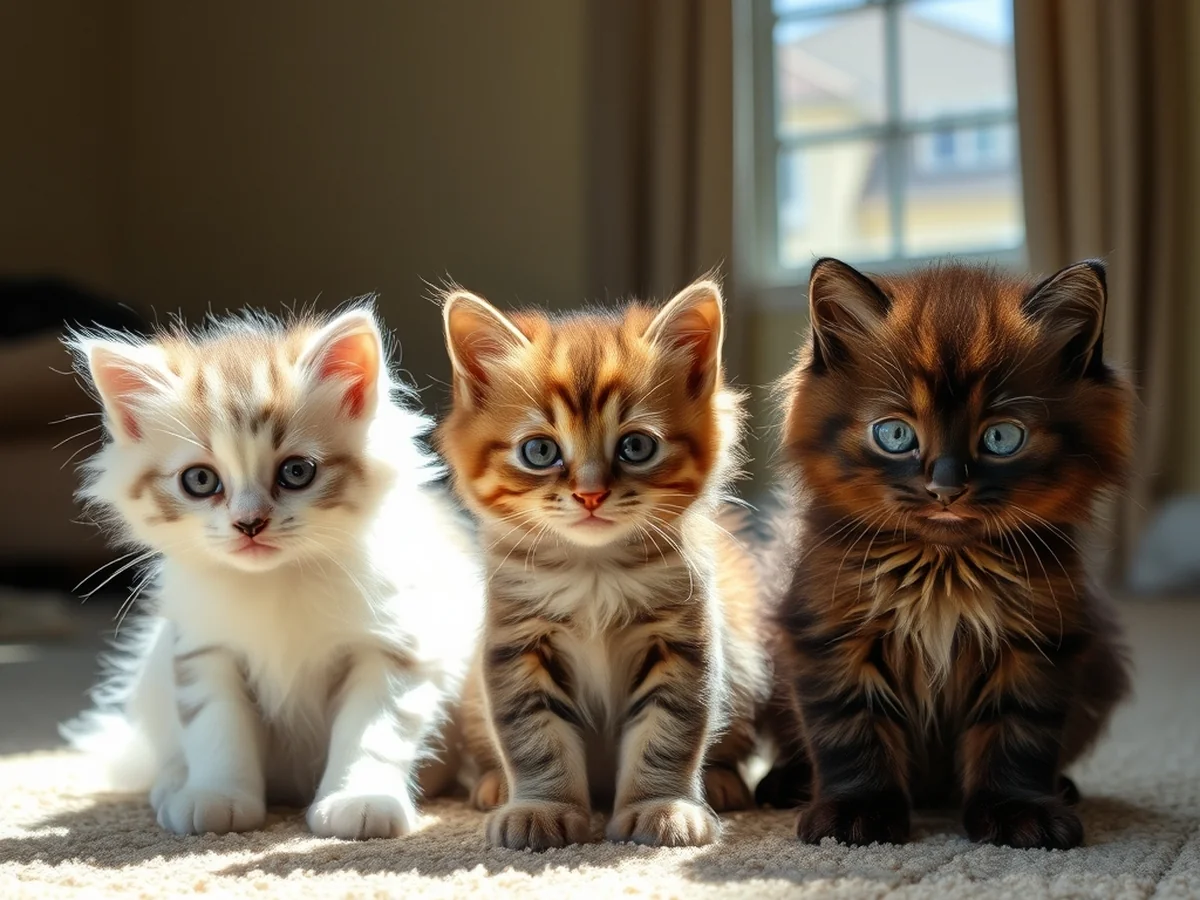
You cannot assume every feline of this breed produces the same amount of Fel d 1 protein. While people often ask if are siberian cats hypoallergenic, the reality depends on the specific animal. Genetics vary significantly between individual kittens, even within the same litter.
One cat might produce very low levels of the protein found in saliva and dander, while its sibling could produce much more. A low allergen cat breeds label refers to a statistical average rather than a medical guarantee. Your immune system might react strongly to one Siberian but remain calm around another.
I have seen cases where a person feels fine with a female cat but suffers immediate allergy symptoms around an unneutered male. Males often produce higher levels of the trigger protein in their sebaceous glands. Neutering can help lower this output, but it does not remove the allergen entirely.
Do not trust a blanket claim that these cats are safe for everyone. Before you commit to a long term adoption, you should spend at least 30 minutes in a room with the specific cat you plan to bring home. This allergy testing in a real world setting is the only way to gauge your personal reaction.
If you decide to move forward, you might still need to manage your home environment. Many owners find that running a HEPA air purifier in the bedroom makes a noticeable difference in their daily comfort. Even with a breed known for lower protein production, you should expect to practice consistent grooming and cleaning habits to keep your space comfortable.
Testing Before Adopting

You should spend at least 30 minutes in a room with a specific cat to see if you have a reaction. This is the only way to know if you are personally compatible with a breed often labeled as low allergen. Many people wonder are siberian cats hypoallergenic in a way that fits their specific immune system. Since individual cats produce different amounts of the Fel d 1 protein, a visit helps you gauge your body’s response to that exact animal.
Reach out to a breeder and ask to sit with a kitten or adult cat in a quiet space. Watch for common siberian cat allergy symptoms like itchy eyes, sneezing, or skin irritation. Breeders who understand these concerns often welcome potential owners for these sessions. If you feel fine after half an hour, you have a better chance of living comfortably with that cat.
Take a clean piece of fabric or a small blanket with you to the visit. Ask the breeder to rub the item against the cat or let the cat sleep on it for a while. Bring this item back to your home and keep it in your bedroom for 24 hours. This exposes you to the feline allergens trapped in the fur and dander in your own environment. If you wake up without congestion or hives, it is a positive sign.
Keep in mind that this test acts as a guide rather than a medical guarantee. Your immune system might react differently to a cat living in a different home or environment. Always prioritize your health over the desire to own a specific pet.
Reducing Allergy Symptoms
You can manage your home environment to lower the impact of the Fel d 1 protein. While people ask are siberian cats hypoallergenic, it is more accurate to view them as low allergen producers. You still need to manage the proteins found in their saliva and dander.
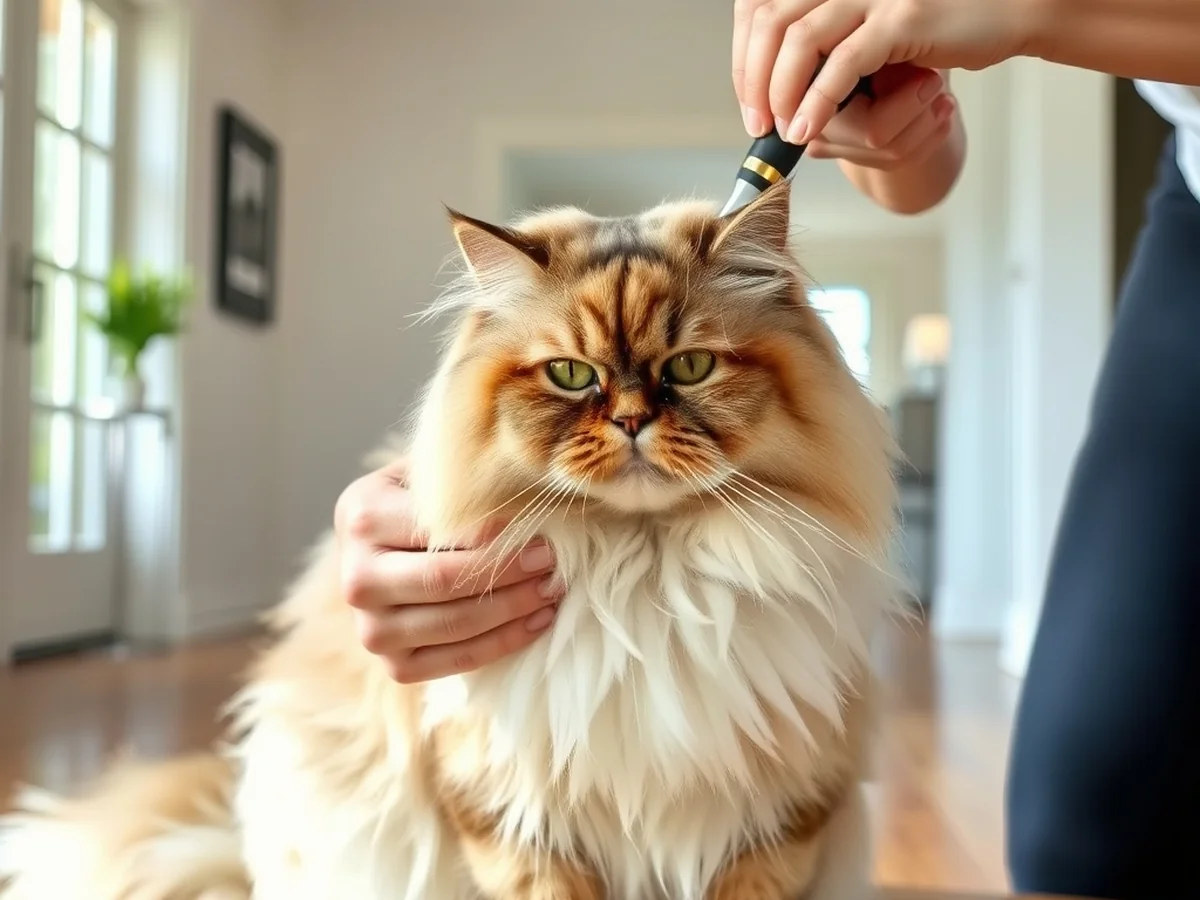
Frequent grooming is the best way to remove loose hair before it spreads. Use a damp cloth to wipe down your cat twice a week. This traps the loose fur and surface saliva. I find that using a high quality grooming glove makes this process much easier for both you and the cat.
Surface cleaning remains vital because dander builds up on fabrics. You should vacuum your floors and furniture at least three times a week. Use a machine equipped with a HEPA air purifier filter to ensure tiny particles do not blow back into the air. These filters are effective at trapping allergens as small as 0.3 microns.
* Wash all bedding and throw blankets in hot water weekly.
* Keep your bedroom a cat free zone to give your immune system a break at night.
* Wipe down hard surfaces with a microfiber cloth instead of using a feather duster.
* Place a dedicated air purifier in your living room to cycle the air volume every 30 minutes.
Living with a pet requires consistent effort. You will notice fewer siberian cat allergy symptoms if you stick to a strict cleaning schedule. Even with these steps, some people still experience a mild histamine response. Always test your personal reaction by spending time with the specific cat you plan to adopt before bringing them home.
FAQ
Is the term hypoallergenic a medical guarantee?
No, it is a marketing term. No cat breed is entirely allergen free because all cats produce the Fel d 1 protein in their saliva and skin glands.
Why are these cats considered low allergen?
Siberians often produce less of the primary protein that triggers your immune system. This specific genetic trait makes them a popular choice for people who usually struggle with typical feline allergens.
Do all Siberians produce the same protein levels?
Individual output varies significantly between cats. Even within the same litter, one kitten might produce much lower levels than its sibling, so you cannot assume every cat will be safe for you.
How can I test my reaction before adopting?
Spend at least 30 minutes in a room with the specific cat you plan to bring home. Many breeders allow this allergy testing process because it is the only way to confirm if your body reacts to that individual animal.
Does shedding impact allergen spread?
Shedding helps move dander around your home, but it is not the main issue. While heavy shedders distribute more fur coated in saliva, the tiny protein particles remain airborne regardless of how much hair the cat loses.
How can I manage symptoms at home?
Keep your living space clean by using a HEPA air purifier that captures particles as small as 0.3 microns. You should also brush your cat regularly in a well ventilated area to remove loose hair and dander before it spreads.
Conclusion
Whether are siberian cats hypoallergenic depends entirely on the unique chemistry between your immune system and a specific animal. No cat is truly allergen-free, and individual production of the Fel d 1 protein varies significantly from one feline to the next.
You cannot rely on broad breed labels to guarantee safety. Some cats produce much less saliva protein than others, but your personal sensitivity level remains the biggest factor in how you react.
Before you commit to a long-term pet, you must arrange a trial period to test your reaction. This is the only way to know if your body will tolerate a specific cat in your living space. Spend at least 30 minutes in a room with the cat to see if symptoms like sneezing or itchy eyes appear.
Follow these steps to protect your health during your search:
- Visit a local breeder to spend time around their cats.
- Ask if you can bring home a small blanket used by the kitten to test your sensitivity at home.
- Consider professional allergy testing to identify your specific triggers.
- Budget around $200 for a high-quality HEPA air purifier to keep in your bedroom.
Living with low allergen cat breeds requires patience and environmental control. Even if you find a cat that produces lower protein levels, regular grooming and cleaning are essential to keep dander under control. If you experience persistent reactions, do not force the situation. Finding the right match takes time, but careful testing ensures a safe and happy home for both you and your future companion.
For another perspective, this detailed piece on Anyone with cat allergies have a Siberian? : r/SiberianCats is worth a read.
You might also like: Siberian Cat Price Guide: What They Really Cost in 2026