Bringing Home a Siberian Kitten: Your First Week Guide
Essential Supplies Checklist
Bringing home a siberian kitten first week brings a mix of joy and nerves. You will soon see their dog-like curiosity, but prepare a safe room first to help them adjust. A quiet space with limited hiding spots makes the transition easier for this intelligent breed.
Gather these items before your new companion arrives to ensure a smooth start:
- Sturdy cat carrier: Choose a hard-sided model with a top-loading door for easy vet visits.
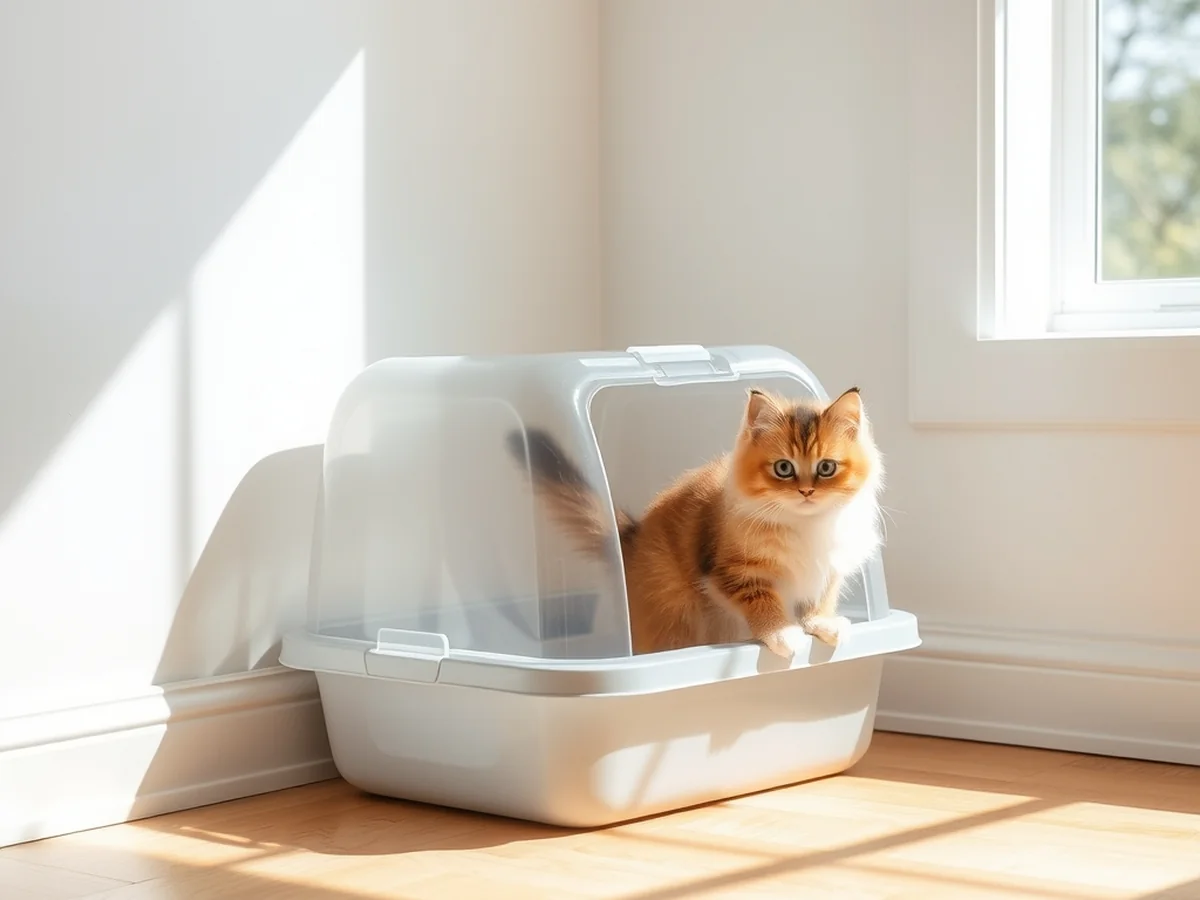
- Litter box: Use an open, low-sided tray at first, as kittens may struggle with enclosed designs.
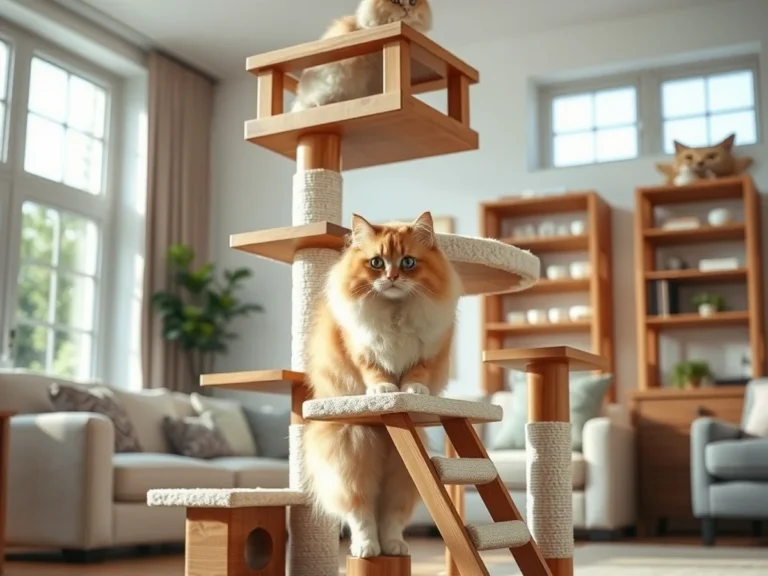
- Vertical space: A small cat tree under 4 feet tall provides a sense of security and a place to perch.
- Grooming brush: A stainless steel comb is best for their thick, triple-layered coat to prevent mats from forming.
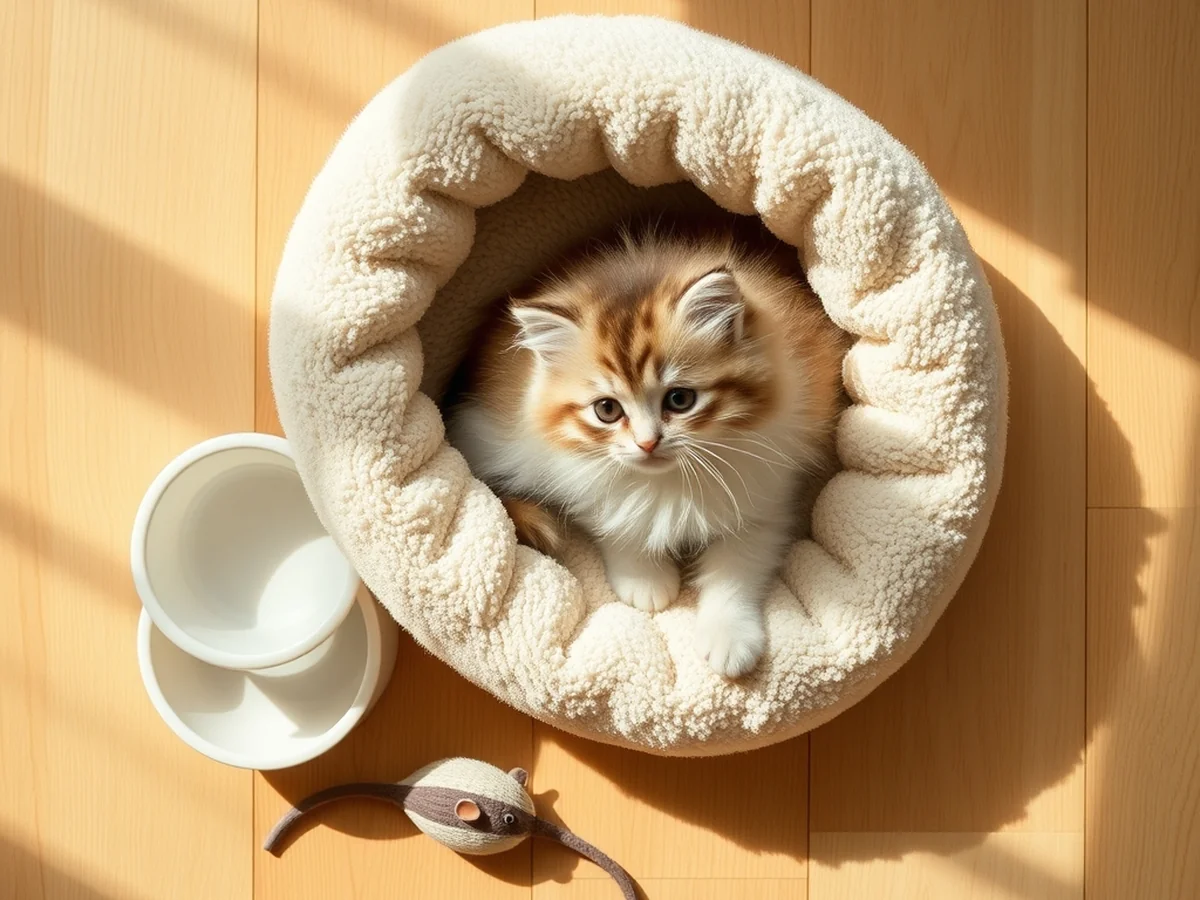
- Interactive toys: Two or three wand toys are perfect for channeling their high energy during play sessions.
- Scratching post: Pick a sisal-wrapped post that stands at least 24 inches high so they can fully stretch.
- Calming aids: A Feliway diffuser helps reduce stress by releasing synthetic pheromones in the room.
Stick to the same wet food and dry kibble brands the breeder used to avoid digestive upset. Keeping these supplies ready creates a calm environment for your kitten.
Siberian Kitten Proofing Tips
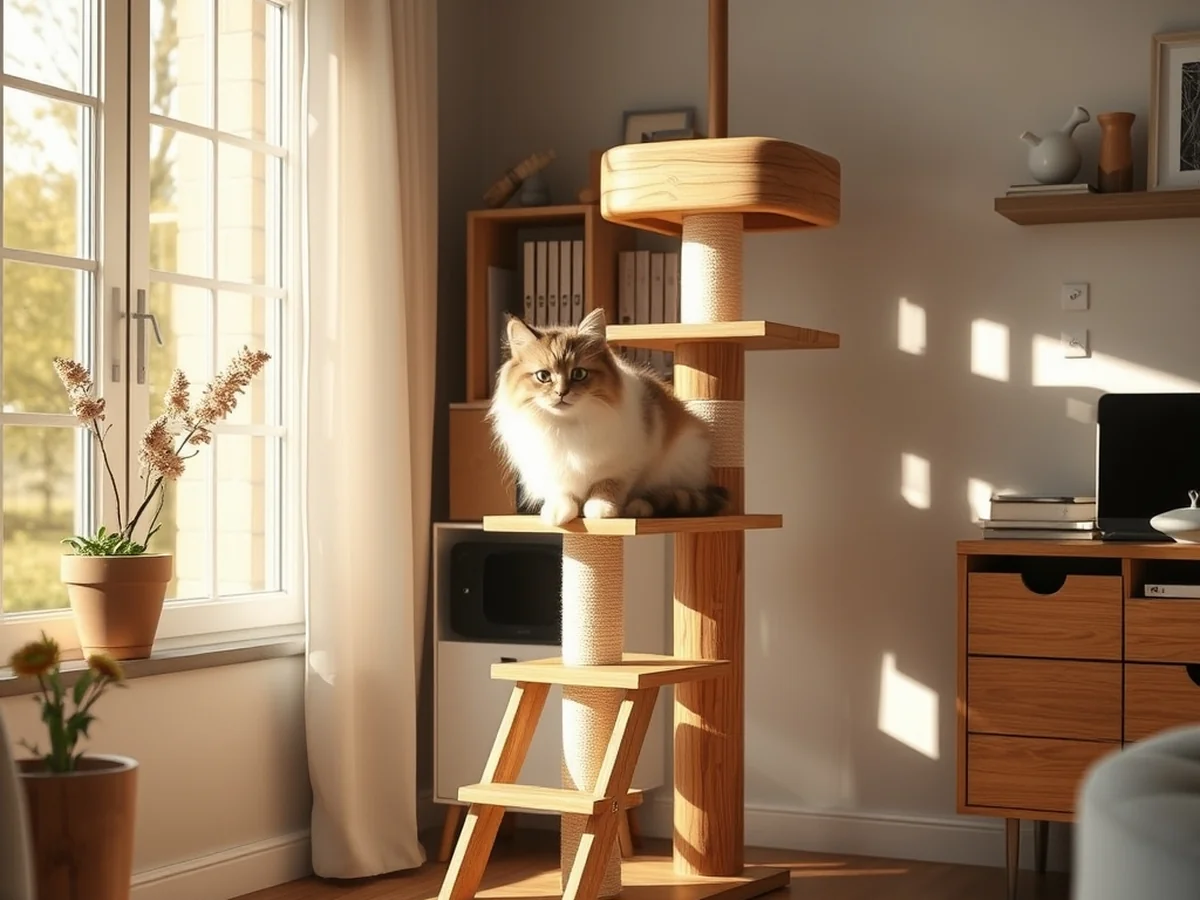
When bringing home a siberian kitten first week, set up a quiet base camp to help them settle. Choose a small bedroom or office where the kitten can retreat. Place a sturdy cat tree in the corner to provide necessary vertical space. This allows your kitten to observe the room from a high vantage point, which reduces anxiety.
Make sure the litter box is tucked away in a corner of this room. Use an open tray initially so the kitten finds it easily. Keep the door closed to other pets to prevent territorial stress. I have found that a 30-inch high cat tree works perfectly for most young Siberians.
Use pheromone diffusers like Feliway to help calm the environment. Plug one into a wall outlet 24 hours before your new arrival. These products mimic natural facial pheromones that signal safety to cats. This is particularly helpful if your home has loud noises or frequent foot traffic.
Remove all electrical cords and toxic houseplants from this base room. Clear away small objects that could become choking hazards. By controlling their environment early, you prevent accidents and help your kitten feel secure. A calm start makes the transition much smoother for everyone involved.
Creating a Safe Space
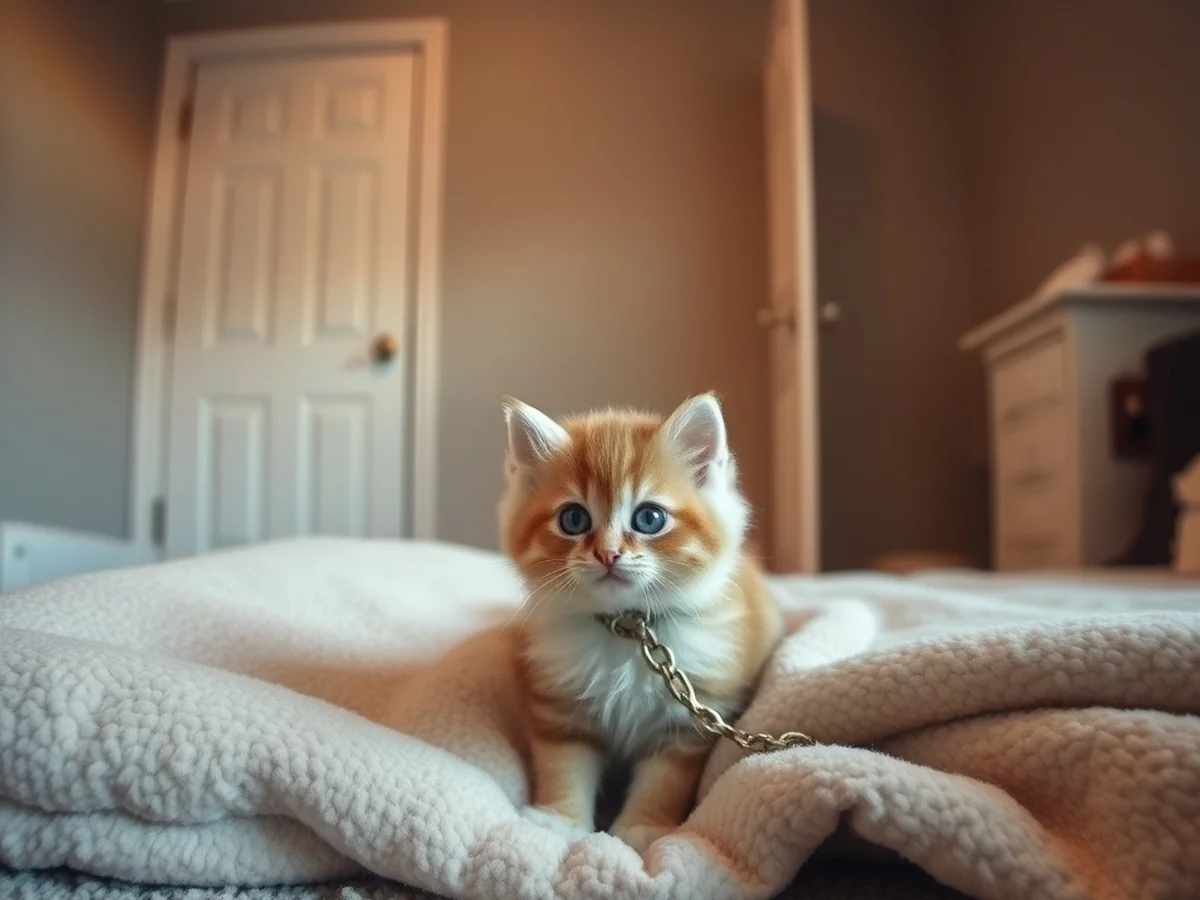
When bringing home a siberian kitten first week, set up a small room to help them adjust. Use the 3-3-3 rule as your guide. It takes three days for them to stop feeling overwhelmed by the new environment. By three weeks, they usually settle into a routine. Within three months, they will likely feel like part of the family.
Place a cat tree in the corner to provide vertical space. This breed loves to climb and observe from high points. Include a clean litter box at the opposite end of the room from their food and water. I find that placing a synthetic pheromone diffuser near their bedding helps keep them calm during the initial transition period.
It is normal for your kitten to show shyness by hiding under furniture for the first 24 hours. They are processing new sounds and smells. However, watch for signs of severe stress. If your kitten refuses to eat for more than 12 hours, stops drinking water, or breathes rapidly while resting, contact your vet immediately. A healthy Siberian is naturally curious and playful once the initial fear fades. Use wand toys during short play sessions to build confidence. This encourages them to come out of their shell while respecting their need for quiet time.
First Week Feeding Schedule

Feed your new pet three times daily to keep their energy levels steady. Consistency is vital when bringing home a siberian kitten first week because predictable routines help lower stress during the adjustment period.
Siberians are active and grow quickly. A mix of wet food and dry kibble provides the hydration and calories they need for proper development. Serve wet food in the morning and evening, leaving a measured portion of high-quality dry kibble out during the day for grazing.
Use a specific kitten-formulated diet to ensure they get enough protein and taurine. I suggest using a small kitchen scale to measure exactly 30 grams of dry food per meal if you notice they are eating too fast. Always keep fresh water in a wide ceramic bowl near their feeding station.
- Provide meals at the same times each day.
- Avoid switching brands suddenly to prevent upset stomachs.
- Keep the food bowl away from the litter box area.
- Monitor how much they eat to track their health.
Your kitten might eat less during the first few days due to nerves. This is normal behavior while they explore their safe room. If they do not eat for more than 24 hours, contact your vet immediately for advice.
Litter Box Habits
Place the litter box inside your kitten’s safe room so it stays easy to find. Most kittens learn quickly if you show them the spot immediately after they finish eating. During the bringing home a siberian kitten first week phase, keep the environment quiet to prevent accidents caused by stress.
Bonding Through Play
Use wand toys to interact with your kitten from a short distance. This helps build trust without forcing physical contact before the cat feels ready. I suggest spending about 10 minutes per session to keep them engaged. These toys allow your kitten to hunt and pounce while you stay at a safe, non-threatening distance.
Managing High Energy
Siberians have high energy levels, but you must prevent overstimulation during their first few days. Stop the play session if you notice your kitten panting or acting overly frantic. Aim for short, frequent bursts of movement rather than one long, exhausting game. Offering a 4-foot tall cat tree provides a necessary vertical space for them to retreat and calm down after a burst of activity. This balance keeps them happy and prevents the behavioral anxiety that can stem from feeling overwhelmed by a new, large home.
Managing Kitten First Nights

Your kitten needs a quiet, contained space during the bringing home a siberian kitten first week transition. Set up a spare room with a litter box, food, and water. This small territory helps the kitten feel secure while they adjust to new smells and sounds.
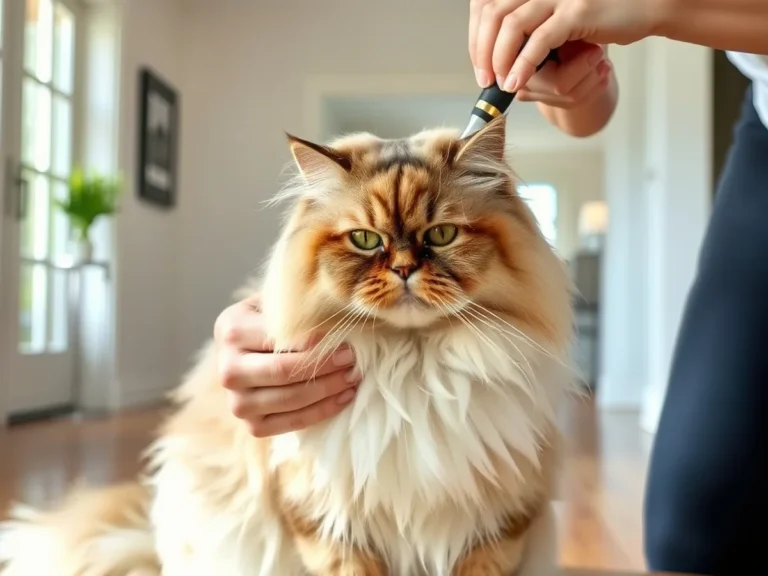
Siberian cats have a dense triple coat that can mat quickly when the animal feels nervous. Stress often causes kittens to neglect their grooming habits. Use a high-quality metal comb for five minutes each evening to keep their fur smooth. This routine acts as a bonding session and prevents tangles from tightening near the skin.
Focus on these grooming habits to keep the coat healthy:
- Brush gently in the direction of hair growth to avoid pulling.
- Check behind the ears and under the armpits for early knots.
- Use a soft slicker brush for the top layer of fur.
I have found that a consistent grooming schedule builds trust faster than constant hovering. If your kitten hides, leave them be and sit quietly in the room nearby. Do not force them out of their hiding spot. Provide a comfortable cat bed or a cardboard box to offer a sense of safety. Avoid letting them sleep in your bed for the first few nights until they are fully settled.
Handling First Week Stress
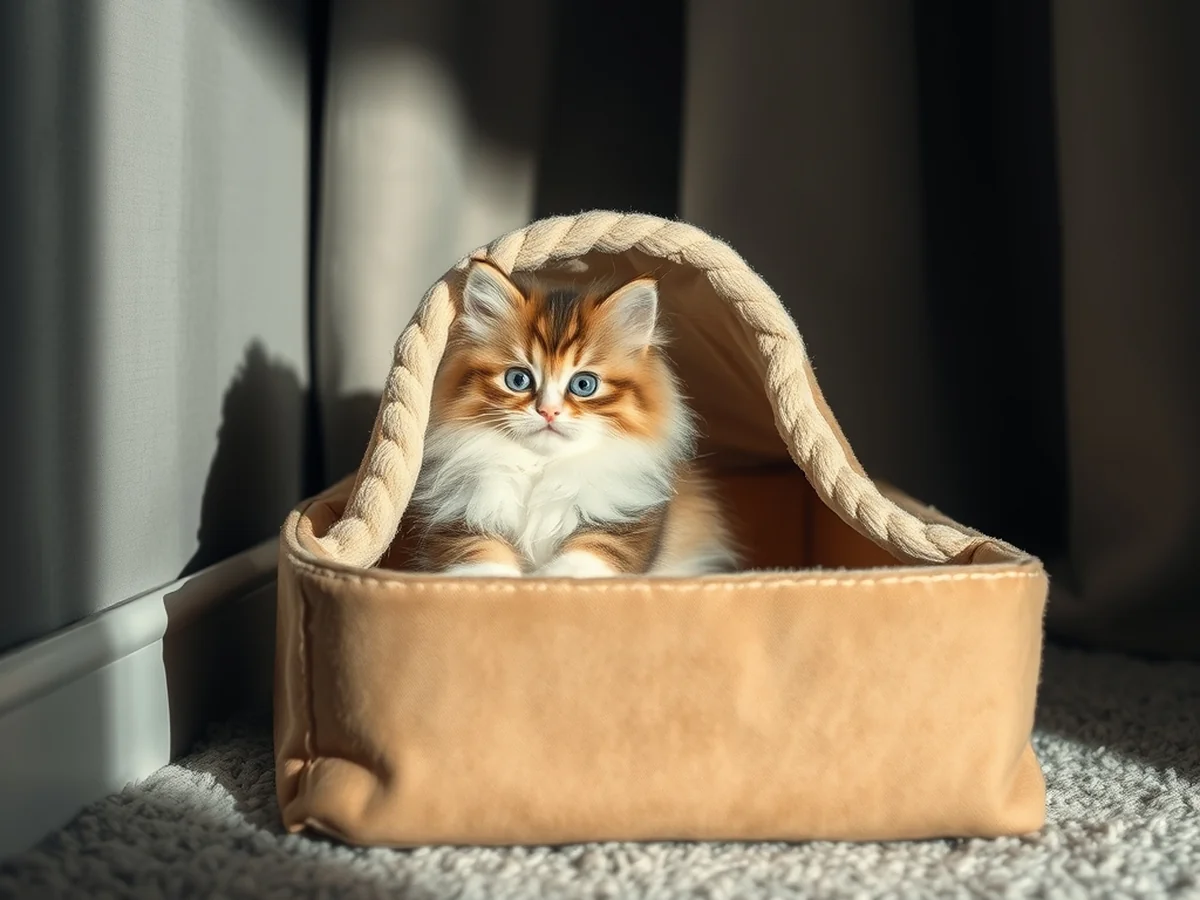
Your cat will likely hide or stay quiet during the bringing home a siberian kitten first week transition. These behaviors are normal for the breed. If your cat refuses to eat or drink for more than 24 hours, contact a vet. Look for signs of illness like heavy panting, visible third eyelids, or lethargy that lasts all day.
Simple transition anxiety shows as hiding under the bed or moving slowly. Most kittens hide because they feel overwhelmed by a large, new environment. Use a safe room to limit their space while they adjust. Keep the litter box and water bowl within three feet of their hiding spot.
You can help your cat settle by using a Feliway diffuser in the room. This releases calming pheromones that mimic feline facial scents. If you see persistent sneezing or discharge from the eyes, book a wellness check within 48 hours. Otherwise, aim to schedule your first vet appointment about 7 days after arrival.
Follow these signs to gauge health:
- Check if they use the litter box at least once every 12 hours.
- Monitor their appetite for both wet food and dry kibble.
- Observe if they emerge for play when the house is quiet.
First Week Vet Visit
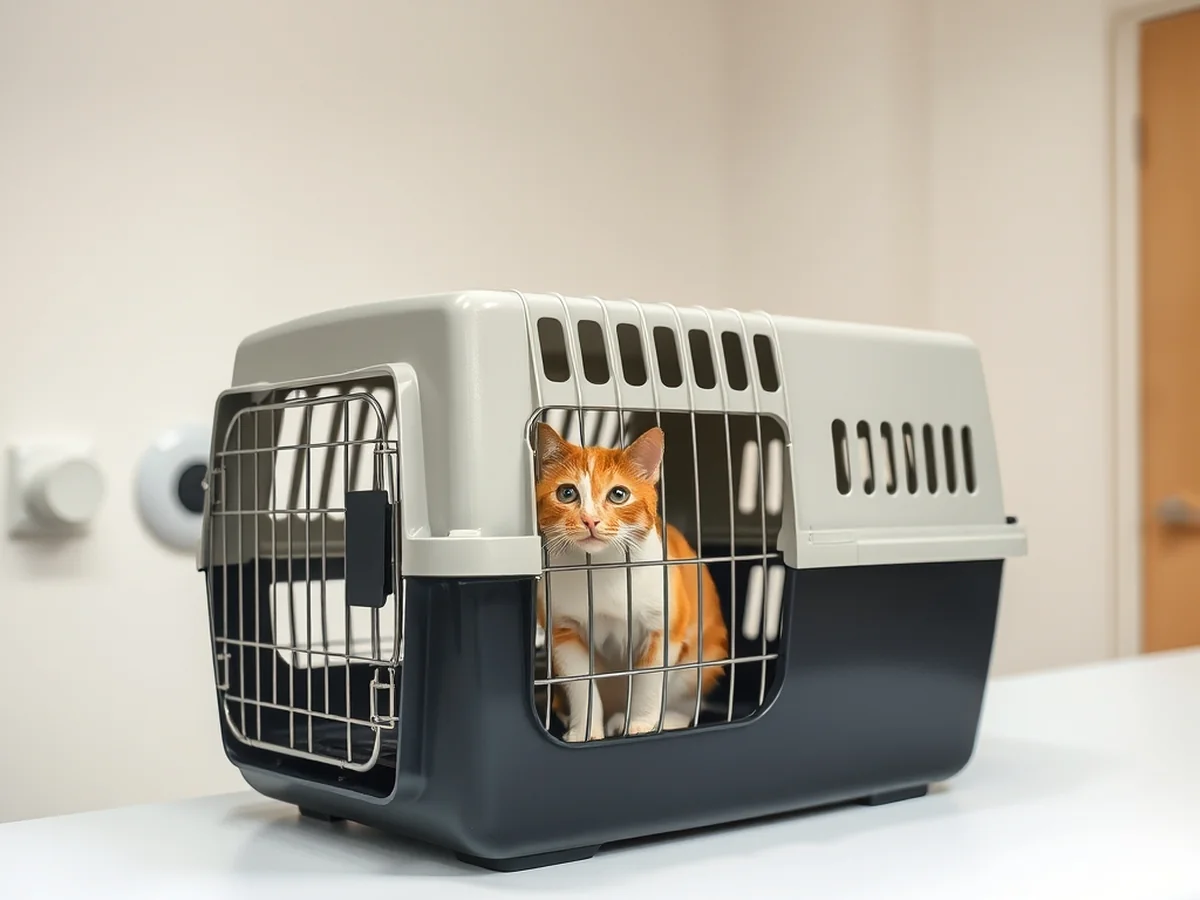
Schedule your vet wellness check within 72 hours of bringing home a siberian kitten first week. This visit confirms your kitten is healthy after the stress of travel. It also establishes a baseline for your cat’s medical records.
Keep your kitten in a dedicated safe room until after this appointment. This space should contain a litter box, a scratching post, and a 6-foot cat tree to provide essential vertical space. Using a plug-in diffuser like Feliway helps create a calming environment during this adjustment period.
Avoid letting your new kitten sleep in your bed immediately. They need a quiet, confined area to feel secure. Place their carrier inside the safe room so it becomes a familiar, positive spot rather than a source of fear.
If you have other pets, keep them separated behind a closed door for at least seven days. Use scent swapping by exchanging blankets to introduce their smells slowly. This prevents territorial behavior and allows your kitten to build confidence before face-to-face meetings.
Watch for signs of extreme stress, such as refusing food or hiding for over 24 hours. A healthy Siberian is usually curious and active. If your kitten stays lethargic, consult your veterinarian immediately to rule out illness.
Bonding With Your Kitten
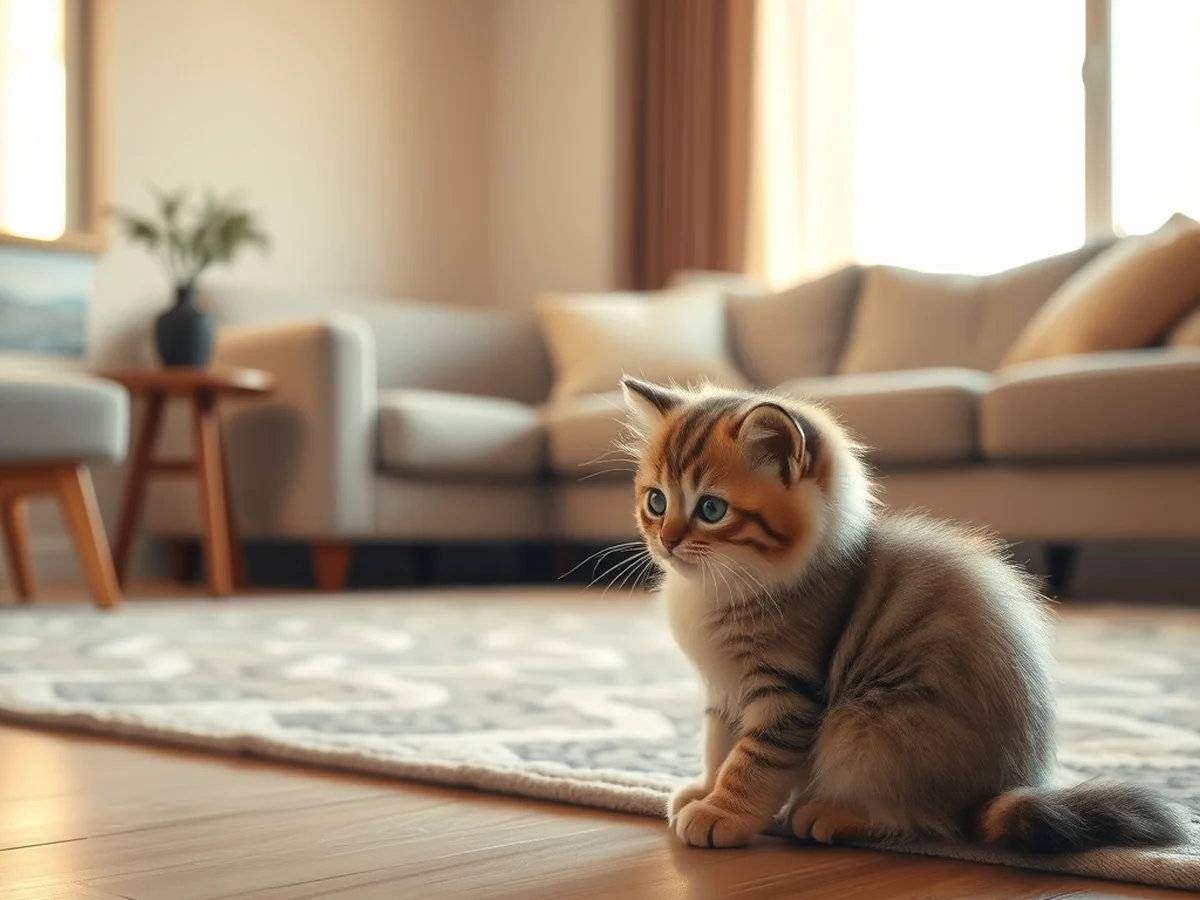
Your main goal when bringing home a siberian kitten first week is building trust through calm presence. Avoid forcing interaction while your new pet navigates the Siberian kitten adjustment period. Let them approach you on their own terms to establish a foundation of safety.
Siberians are known for their dog-like devotion, but this personality takes time to surface. Expect your kitten to hide or observe from a distance for the first 3 days. Sitting quietly in the safe room while reading a book helps them get used to your scent and voice without feeling pressured.
Interactive play acts as the best bridge for connection during this transition. Use wand toys to engage their natural hunting instincts from a comfortable distance. This creates a positive association with your presence without requiring physical contact until they are ready.
- Offer treats during quiet moments to build a positive link.
- Keep play sessions short, about 10 minutes, to avoid overstimulation.
- Use a soft grooming brush once they seem relaxed to mimic maternal bonding.
Patience is essential. If your kitten remains shy, follow the 3-3-3 rule and give them more space. Consistent routines during feeding times will help them feel secure, ultimately rewarding you with the affectionate personality this breed is famous for.
For another perspective, this detailed piece on Just brought home my first Siberian kitten! Any tips on how is worth a read.
You might also like: Siberian Cat Health Issues: What Every Owner Should Know