Siberian Cat Price Guide: What They Really Cost in 2026
Introduction
The total siberian cat cost typically ranges from $1,500 to $3,500 for a healthy kitten from a professional breeder in 2026. These cats are increasingly popular because of their affectionate personality and hypoallergenic qualities linked to lower levels of the Fel d 1 protein.
While the initial purchase price covers the kitten, you must prepare for the long term budget of ownership. Responsible breeding involves expensive genetic health screening and proper socialization that keeps the kitten safe and well adjusted. Beyond the price of a purebred Siberian kitten, you should set aside funds for high quality cat food, regular veterinary care, and insurance. Managing a cat with a dense triple coat also requires an investment in specific grooming tools. This guide breaks down these expenses so you can plan for your new companion without any financial surprises along the way.
Average Purchase Prices

You should expect to pay between $1,500 and $3,000 for a healthy kitten from a reputable breeder in 2026. This siberian cat cost reflects the time and resources spent on genetic health screening and early socialization. Breeders who invest in testing for feline immunodeficiency virus and other conditions charge more to ensure long-term health.
Pet quality kittens usually sit at the lower end of this range. These cats are healthy and have the classic personality of the breed but might have minor markings that do not meet strict show standards. You still receive all the benefits of a well-bred animal, including the low allergen traits linked to lower levels of the Fel d 1 protein.
Show quality pedigrees often cost upwards of $3,500. Breeders price these kittens higher because they possess superior physical traits required for competition. These cats are often selected for their perfect coat texture and body structure, making them more expensive to acquire.
Registration with organizations like TICA or CFA adds to the total price. These documents confirm the lineage and ensure your cat meets recognized breed standards. A formal pedigree provides proof of heritage and helps you verify the ethical standards of the breeder.
- Pet quality: $1,500 to $2,500
- Show quality: $3,000 to $4,500
- Registration fees: Often included in the total price of purebred siberian kitten
Be wary of prices significantly below $1,000. Low fees often indicate a lack of proper health testing or poor living conditions for the cats. Paying a higher initial price helps you avoid expensive medical bills later caused by poor breeding practices.
Health Screening Costs
Reputable breeders invest heavily in genetic health screening to protect the long-term well-being of their kittens. These tests identify hereditary conditions like hypertrophic cardiomyopathy, which is common in many large breeds. Expect breeders to spend at least $150 per kitten on comprehensive DNA panels and veterinary evaluations before they reach your home.
Breeders focused on the hypoallergenic trait also face extra expenses. They test for low Fel d 1 protein levels in saliva to ensure the kitten meets specific allergy-friendly standards. This specialized testing adds to the overall siberian cat cost because it requires laboratory analysis. You are paying for the certainty that the kitten will not trigger your reactions.
Early Care Expenses
Proper kitten socialization is a major factor driving the price of a purebred Siberian kitten. Breeders spend months handling kittens daily to ensure they develop a confident and affectionate temperament. This process includes exposure to household noises, grooming tools, and different people. A kitten raised in a cage rather than a home environment will cost less but often misses these vital developmental milestones.
Professional veterinary care accounts for a significant portion of the initial investment. Before a kitten leaves the cattery, they receive multiple rounds of deworming, core vaccinations, and a clean bill of health from a licensed veterinarian. Responsible breeders also register their cats with organizations like TICA to document their pedigree. When you see a higher price tag, you are covering the cost of these essential medical protocols that keep your new pet healthy from day one. Skipping these steps might lower the sticker price, but it often leads to expensive health problems later in the cat’s life.
Low Cost Breeder Warning Signs
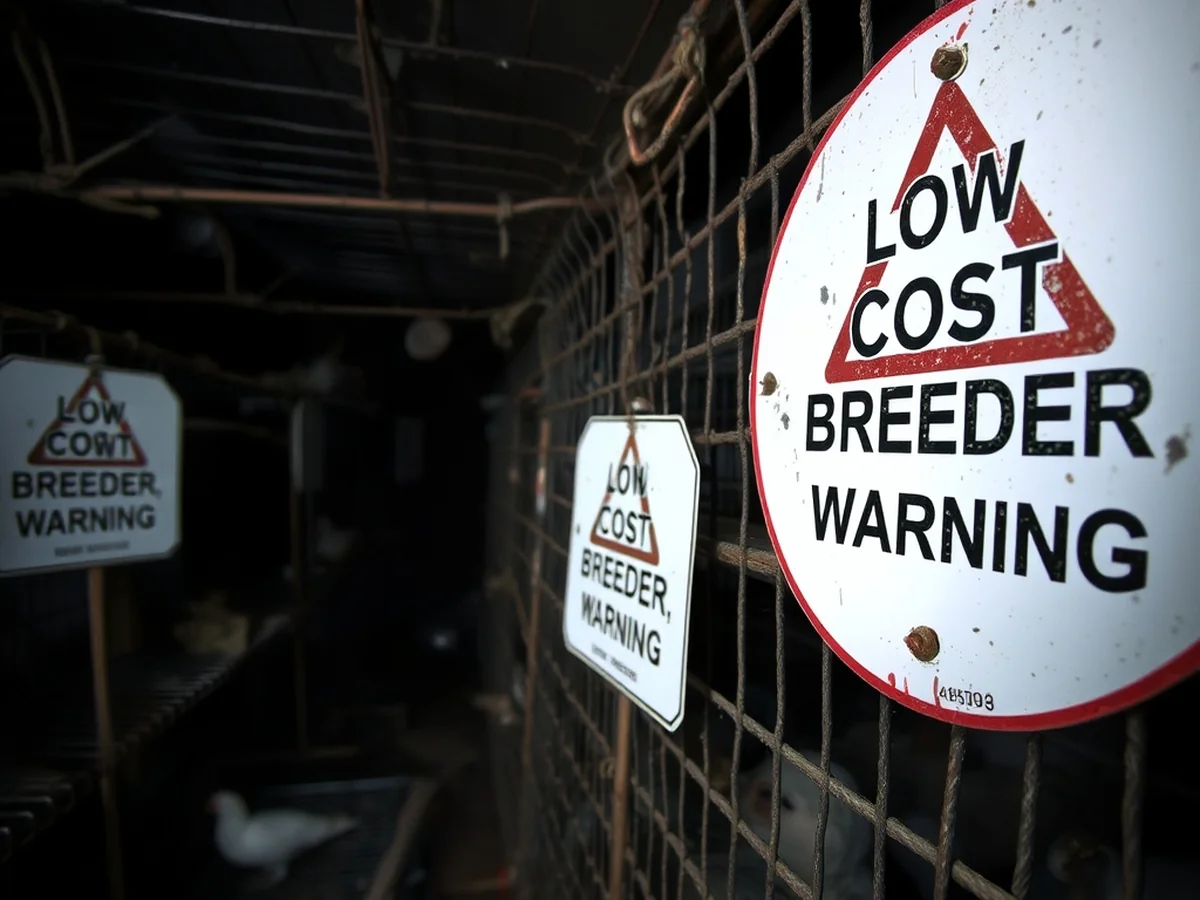
If you find a kitten priced under $800, you are likely looking at a scam or an unethical operation. A professional breeder invests heavily in genetic health screening and proper kitten socialization, which makes a low siberian cat cost impossible to sustain.
You should always walk away if a seller refuses to let you see the kittens in their home. Ethical breeders are proud of their environment and want you to see where the cats live. If they insist on meeting in a parking lot or shipping a kitten without a visit, they are hiding poor conditions.
Watch out for these specific red flags during your search:
- The seller lacks proof of TICA registration or pedigree papers for the parents.
- They do not perform tests for feline immunodeficiency virus or other common genetic issues.
- The price of a purebred siberian kitten is significantly lower than the local market average.
- They offer to skip a formal contract or health guarantee to lower the price further.
- The kittens are being sold before they reach 12 weeks of age.
Reputable breeders prioritize the long term health of the breed over quick profit. They will happily share veterinary records and explain their specific breeding practices. If the seller acts defensive when you ask about the health of the parents, look elsewhere.
Saving money upfront often leads to thousands of dollars in emergency veterinary care later. Proper breeding involves high quality cat food and regular medical checkups that cost money. If the price feels too good to be true, it almost certainly is.
Essential Startup Supplies
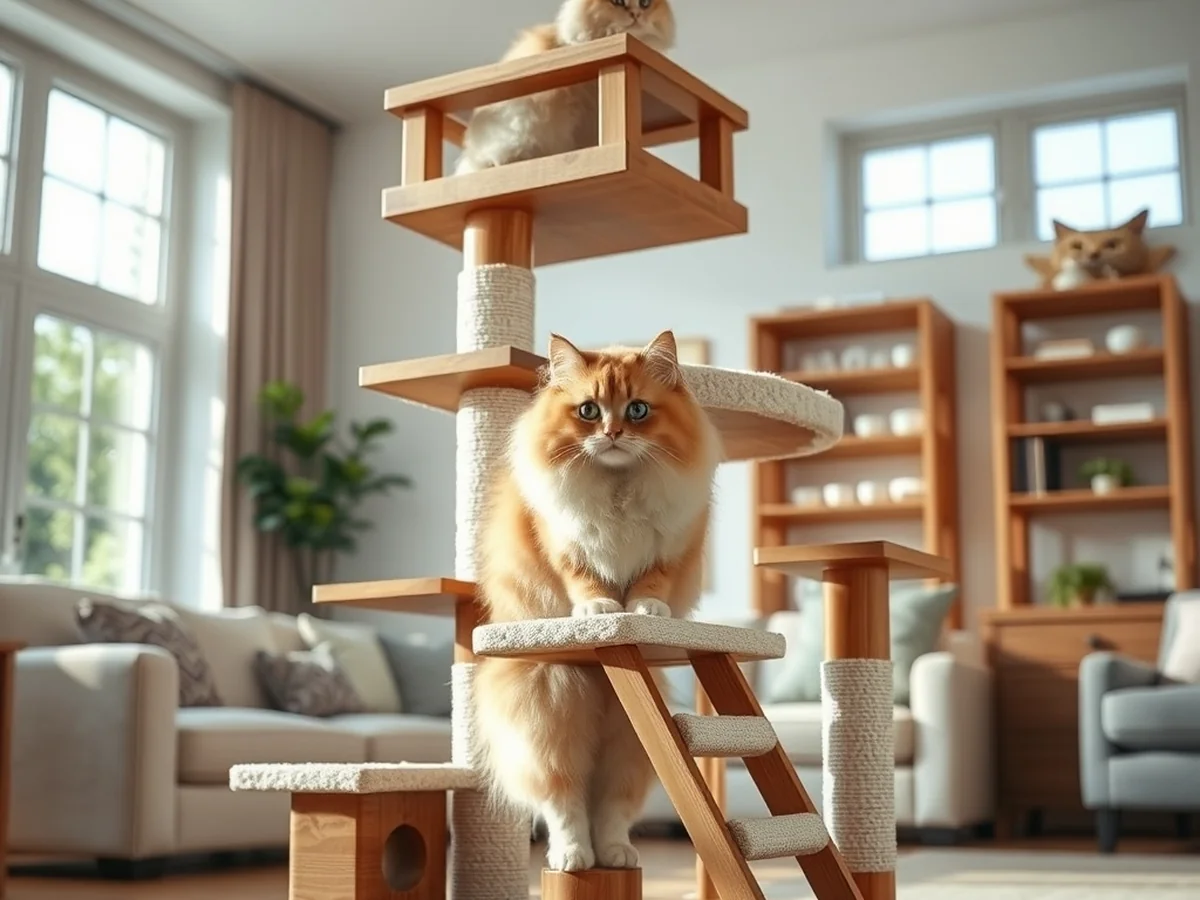
Expect to spend between $400 and $700 on your initial gear before your new pet arrives home. Because these cats are large and energetic, you need sturdy equipment that handles their weight. A large cat tree is a non-negotiable purchase for this breed. Look for models with a heavy base and platforms at least 20 inches wide to accommodate their adult size.
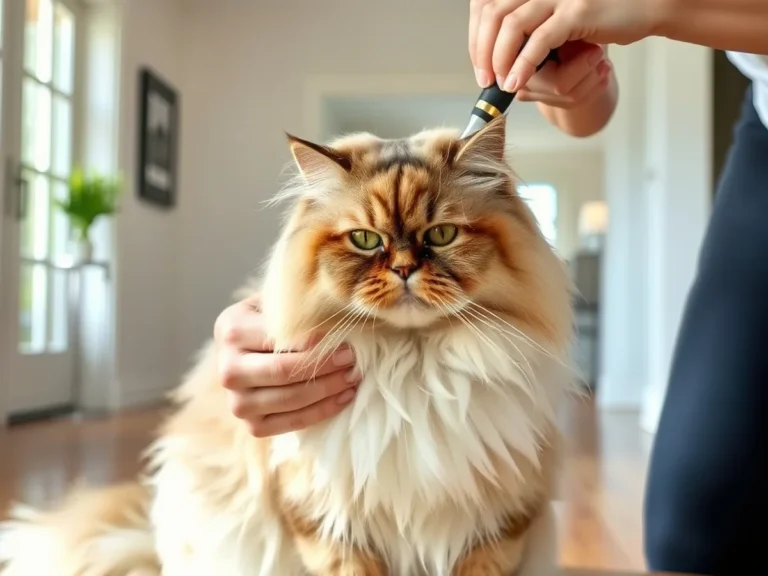
You must also invest in specific grooming tools to maintain their thick triple coat. A high-quality metal comb prevents painful mats from forming during shedding season. Budget around $50 for a professional-grade grooming kit that includes a slicker brush and a shedding rake.
Immediate Veterinary Needs
Your first vet visit is a major part of the total siberian cat cost. If your breeder hasn’t completed these, you will need to pay for a full round of core vaccinations and a wellness exam. Expect to pay about $150 for an initial physical, fecal test, and baseline blood work to check for common feline viruses.
Spay or neuter surgery is another expense you should plan for immediately. While some breeders include this in the kitten price, others leave it to the owner. This procedure often costs between $200 and $450 depending on your local veterinary clinic rates. I suggest asking your breeder for a list of recommended local vets who have experience with the breed.
Setting aside funds for pet insurance is a wise move during your first month. This helps cover unexpected illness and provides peace of mind while your kitten adjusts to your home. Many owners find that starting a policy early avoids future issues with pre-existing condition exclusions.
Ongoing Monthly Budget
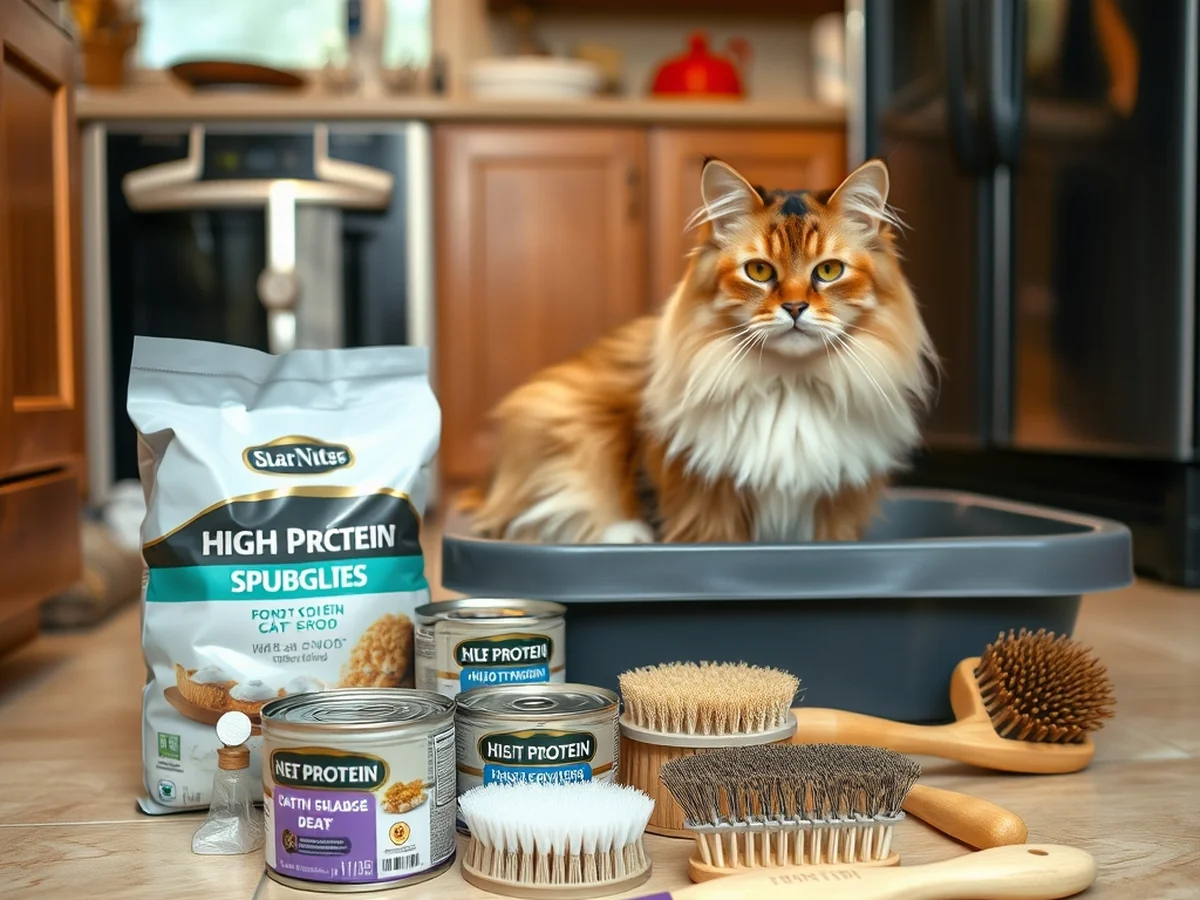
You should expect to spend roughly $120 each month on recurring expenses to keep your pet healthy and happy. This monthly figure covers the baseline siberian cat cost for nutrition, routine care, and preventative health measures.
High-quality protein is vital for this breed. These cats require nutrient-dense wet or dry food to support their large frames and active personalities. Budget for about $60 per month for premium grain-free food. Avoid bargain brands that contain fillers, as your cat needs proper fuel to maintain energy levels and coat health.
Maintaining their thick triple coat requires specific equipment. You will need a stainless steel grooming comb and a slicker brush to manage shedding and prevent painful matting. Expect to spend a one-time fee of $35 for a professional-grade grooming kit. Using these tools twice a week prevents tangles and keeps their fur looking healthy.
Pet insurance is a smart way to manage long-term health expenses. Siberian cats are generally robust, but unexpected accidents or illnesses can lead to expensive vet bills. A solid policy typically costs around $40 per month. This protects your finances against major issues like feline immunodeficiency virus treatments or emergency surgeries.
- Premium food: $60
- Insurance premiums: $40
- Litter and toys: $20
Factor in an annual checkup fee, which usually costs around $100. This visit ensures your cat stays up to date on vaccines and allows your vet to monitor for breed-specific concerns. Managing these feline health maintenance costs upfront makes pet ownership much easier to handle. Investing in quality care early often prevents costlier problems as your cat ages.
Finding Breed Rescues
You will rarely find a purebred Siberian at a standard local animal shelter. Most rescues that do surface are handled through breed specific organizations that focus on rehoming cats with a known pedigree. These groups prioritize matching the cat with a home that understands the specific needs of the breed.
Searching for a rescue is a noble goal, but it is often a slow process. You should expect to complete a detailed application and undergo a home check. While the siberian cat cost through a rescue is significantly lower than buying from a breeder, the availability is very limited. You might wait several months or even a year for a suitable match to appear in your region.
The Hypoallergenic Myth
Many people seek out rescues hoping for a bargain on a low allergen cat. It is vital to understand that a lower adoption fee does not guarantee the animal will be hypoallergenic. The breed is famous for producing less of the fel d 1 protein, but this trait is not uniform across every individual cat.
Some rescues misidentify mixed breed longhaired cats as Siberians based on their appearance alone. If you are choosing a cat primarily because you suffer from allergies, you risk a severe reaction if the cat is not a true, tested Siberian. You can expect to pay around $300 in standard adoption fees for a rescue cat. This price covers initial veterinary care and spay or neuter services. If a cat is advertised as a purebred Siberian for a tiny fraction of the usual market rate, you should proceed with caution and verify their background through official registration papers.
FAQ
Do hypoallergenic traits increase price?
Yes, breeders who specifically test for low levels of the fel d 1 protein often charge more for their kittens. This specialized testing ensures the cat is truly suitable for allergy sufferers, which adds to the overall breeder overhead.
Why are waiting lists common?
Ethical breeders limit the number of litters to ensure proper kitten socialization and individual care. You might wait 6 to 12 months for a healthy, well-adjusted kitten from a reputable source.
Is the investment worth it?
Many owners find the siberian cat cost worth the expense because of the breed’s affectionate personality and hardy health. These cats are known for being long-lived companions, which balances out the initial purchase price over time.
What is the average 2026 price?
You can expect a siberian kitten price range 2026 between $1,500 and $3,000 for a healthy, pedigree animal. Prices vary based on the breeder’s location, the cat’s lineage, and whether the kitten has been cleared through genetic health screening.
How do I spot a scam?
Be wary of any price significantly lower than $1,000, as this often indicates a lack of veterinary care or poor breeding practices. Genuine breeders always provide TICA or CFA registration papers and proof of vaccinations for every kitten.
What are the ongoing costs?
Beyond the purchase, plan for at least $100 per month for high-quality cat food, annual veterinary care, and grooming tools for their thick coats. Investing in pet insurance early can also help manage unexpected medical expenses throughout the cat’s life.
Conclusion
The total siberian cat cost reflects more than just the purchase price of a kitten. It represents an investment in responsible breeding practices, genetic health screening, and proper socialization. Choosing a kitten from a breeder who tests for feline immunodeficiency virus and other conditions ensures you start with a healthy companion.
You might see lower prices elsewhere, but these often overlook vital health checks and ethical standards. Prioritizing a reputable breeder protects you from expensive medical issues later in the cat’s life. A high-quality pedigree serves as your best guarantee for the expected hypoallergenic qualities associated with this breed.
Budgeting correctly helps you provide the best care throughout your cat’s long life. Beyond the initial fee, plan for at least $150 per month to cover high-quality cat food, annual veterinary care, and insurance. This commitment ensures your pet thrives in your home.
Always look for transparency regarding breed standards and health records rather than the lowest price tag. Ethical breeders care deeply about the welfare of their cats and will happily discuss their testing protocols. Your decision today shapes the future of your new family member.
For another perspective, this detailed piece on How much did you pay for your Siberian cat? : r/SiberianCats is worth a read.
- Focus on health and reputation over saving money.
- Support breeders who prioritize feline welfare.
- Invest in long-term care to ensure your pet stays happy.