Siberian Cat Size: How Big Do They Really Get?
Introduction
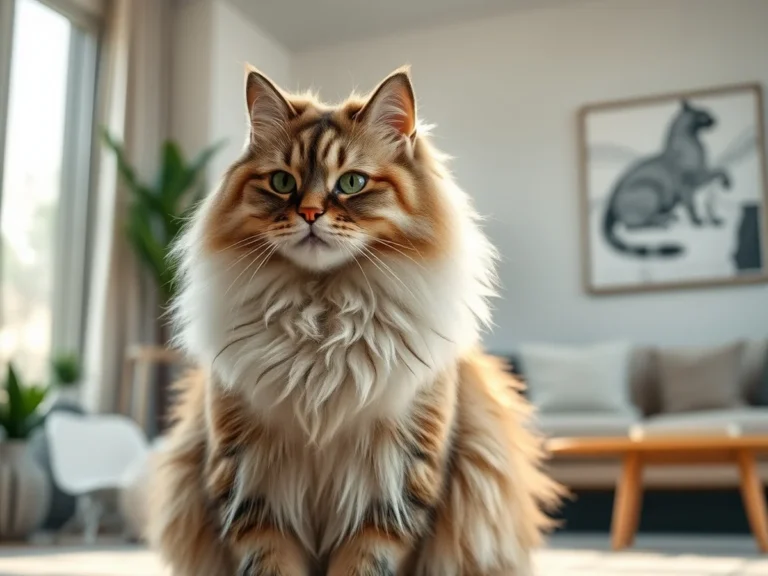
You might wonder how big do siberian cats get when you see their massive, fluffy silhouettes. These Russian forest cats often appear much larger than they actually are due to their dense, triple-layered fur.
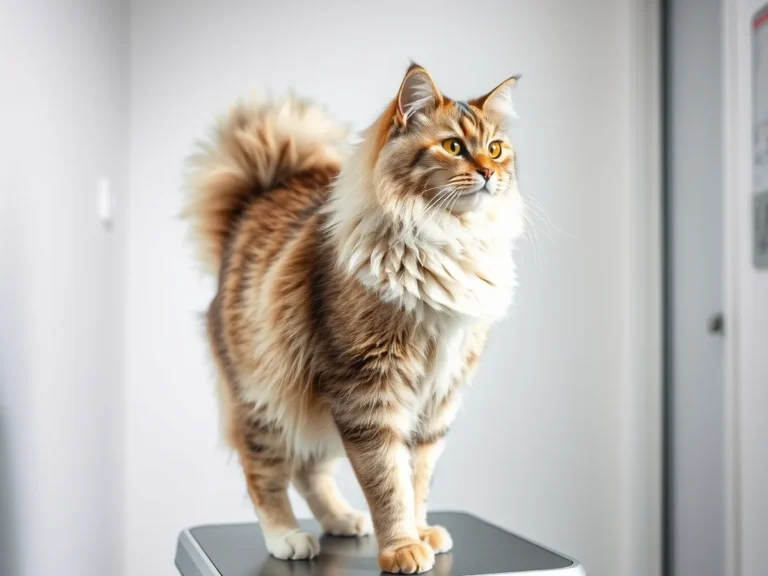
In reality, the average weight of a siberian cat typically ranges between 10 and 20 pounds. While their muscular build and sturdy skeletal structure provide a solid foundation, much of their size is simply an illusion created by their thick coat and bushy tail. Understanding these physical characteristics helps you distinguish between a healthy, large cat and one carrying extra weight.
This breed follows a slow maturation process, often taking up to 3 years to reach their full, mature weight. We will explore the growth milestones and developmental stages that define this unique breed. You will learn how to monitor your cat to ensure they stay at an ideal body condition score throughout their life.
Average Siberian Cat Size
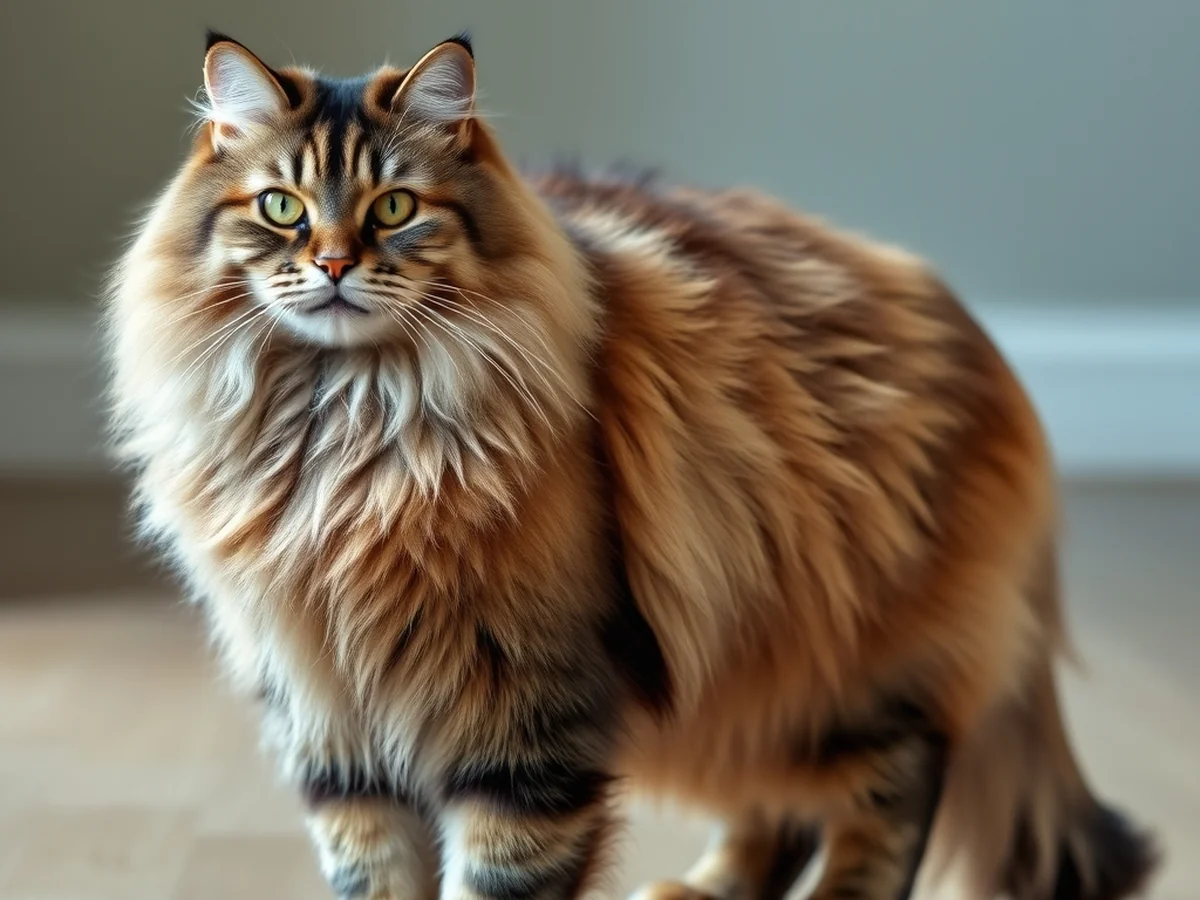
Most adults weigh between 10 and 20 pounds. When you wonder how big do siberian cats get, it is important to remember that they are a naturally muscular build breed. Their thick, semi-longhair coat often makes them appear much larger than they actually are on the scale.
There is a noticeable difference between the sexes. Male cats are typically heavier and broader, often reaching the upper end of the weight range. Females are generally smaller and more compact. It is common for a male to weigh 15 to 20 pounds, while a female often stays between 10 and 15 pounds.
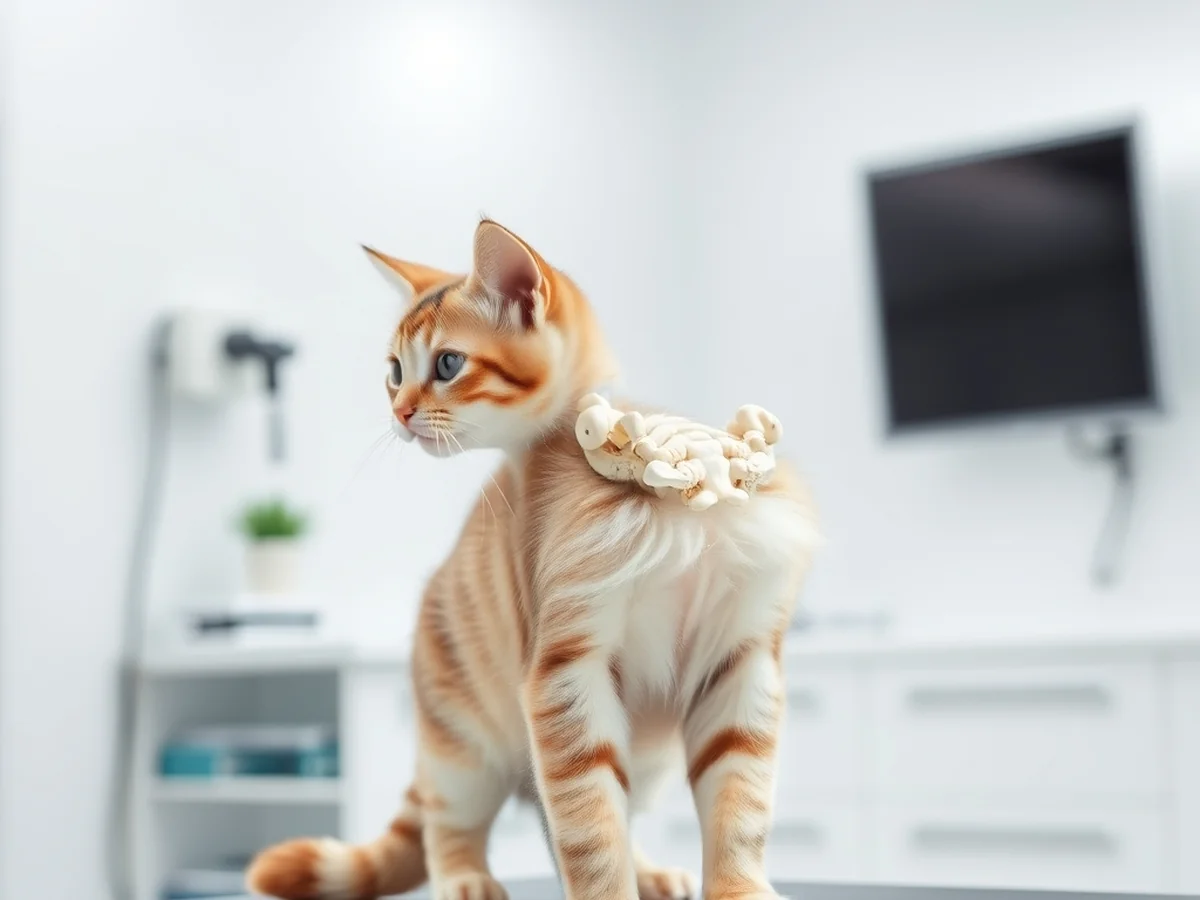
You should prioritize their skeletal structure over the number on the scale. These cats grow slowly and often do not reach their full mature weight until they are 3 to 5 years old. Because of this slow maturation process, their growth plates remain open longer than in many other breeds. A protein-rich diet is essential during these developmental milestones to support their dense bone structure.
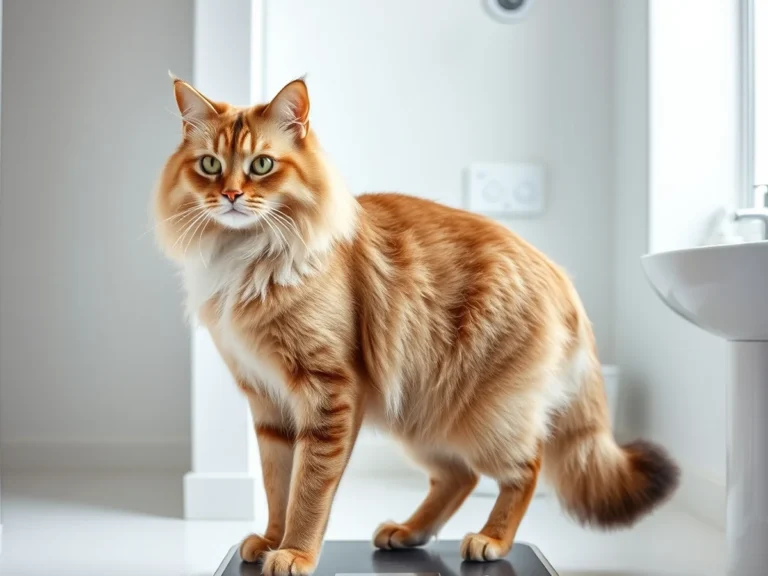
Keep a close eye on their body condition score to ensure they stay healthy. A fully grown siberian cat size can be deceiving because their bushy tail and triple-layer coat add significant volume. If you cannot feel their ribs under their fur, they might be carrying extra weight rather than just having a large frame. Regular vet monitoring helps confirm your pet is growing at a steady, healthy pace.
Siberian Cat Weight Ranges
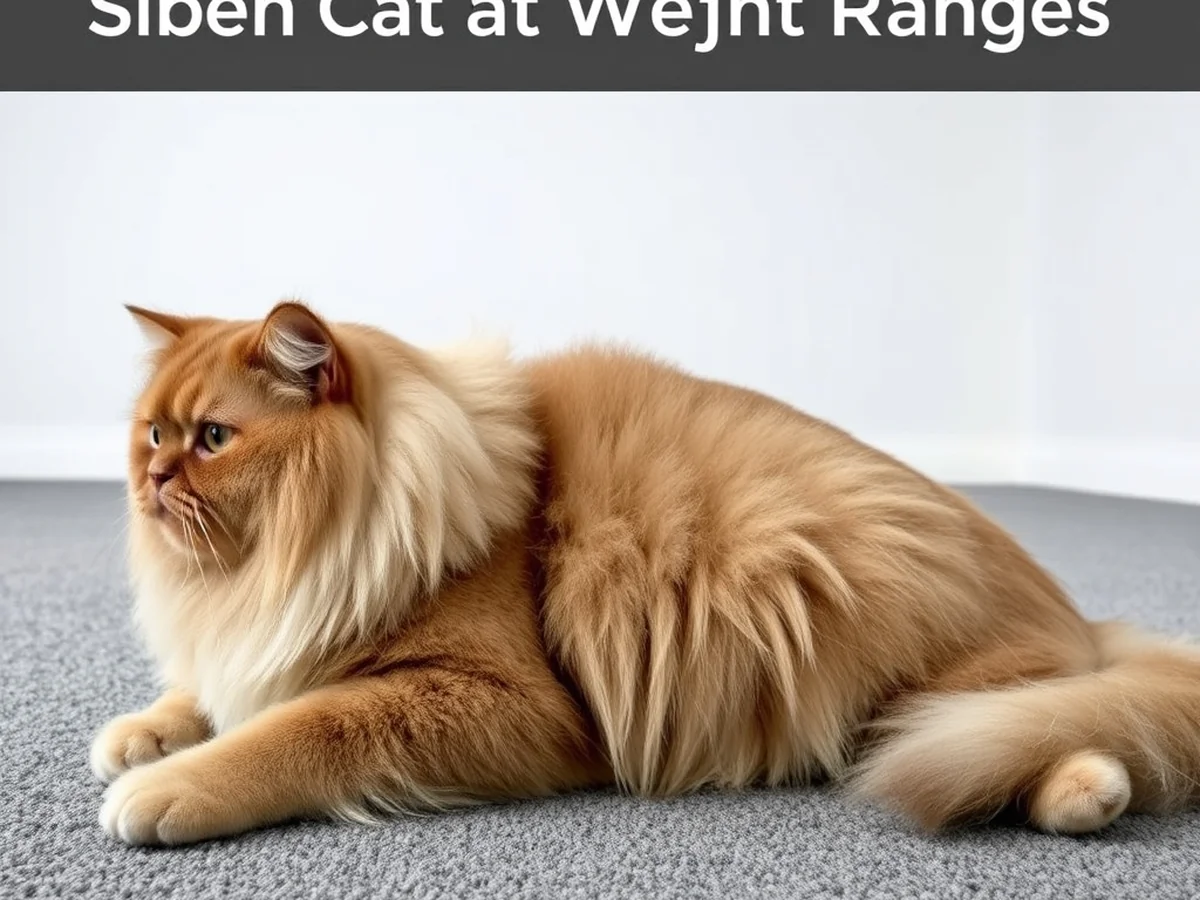
Most Siberians reach their mature weight between the ages of three and five years. While many domestic cats finish growing by their first birthday, this breed follows a much slower path. You should expect your kitten to undergo steady physical changes for several years before reaching their final size.
This long slow maturation process is typical for large cat breeds. Their bodies focus on building a dense skeletal structure and strong muscles rather than quick gains. Because their growth plates close later than those of smaller cats, they need consistent support during these developmental milestones.
- Males often weigh between 15 and 20 pounds.
- Females typically range from 10 to 15 pounds.
- Growth remains consistent rather than showing sharp spikes.
When you research how big do siberian cats get, remember that their thick double coat often hides their true frame. A fully grown siberian cat size can feel deceptive because the fur adds significant volume. I have seen owners mistake a fluffy coat for excess fat. To check their actual condition, feel along their ribs. You should be able to feel the bones under a thin layer of muscle without pressing hard. If you cannot feel the ribs, the cat might be carrying too much weight. Keeping them at a healthy body condition score is vital, as their muscular build requires proper joint support throughout their long life. Always consult your vet if you notice a sudden drop or spike on the scale.
When Do Siberians Stop Growing
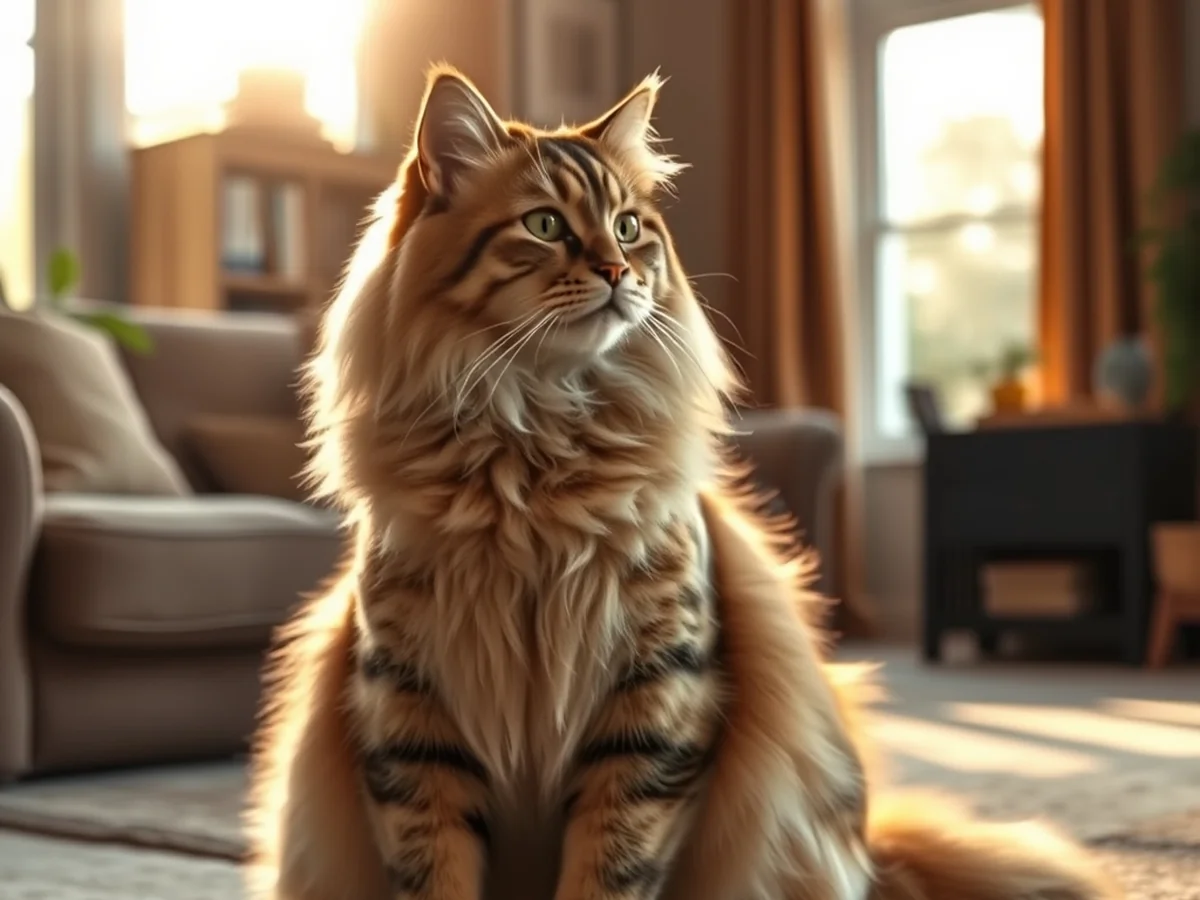
Siberian cats typically reach their full mature weight between 3 and 5 years of age. Unlike smaller breeds that stop growing at 12 months, these cats experience a slow maturation process. You should monitor their skeletal structure closely during these developmental milestones. Most owners notice the most significant growth spurts during the first 24 months.
It is easy to wonder how big do siberian cats get when you see their impressive frame. The thick double coat often creates an illusion of extra bulk. This dense, semi-longhair fur traps air to provide insulation, which adds significant visual volume to their silhouette. Beneath that heavy coat lies a solid and muscular build.
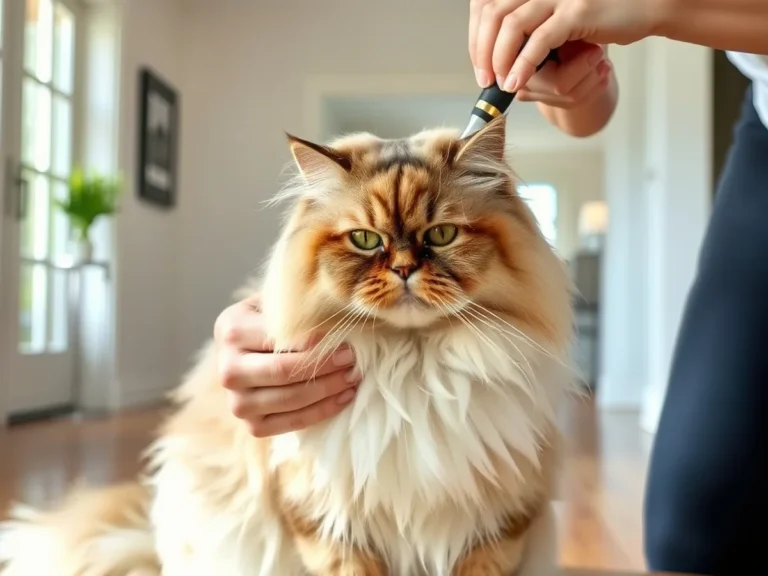
You can feel their true size by checking their body condition score. Because of their thick fur, you cannot rely on sight alone to judge if your pet is a healthy weight. Use your hands to feel for their ribs. You should be able to feel the ribs under a thin layer of muscle without pressing hard. If you cannot find the ribs easily, your cat might be carrying extra fat rather than growing larger muscles.
A healthy adult male often weighs between 12 and 18 pounds. Females are generally smaller, usually ranging from 8 to 12 pounds. Proper nutrition remains vital throughout this long growth period. Focus on a protein-rich diet to support their bone density and muscle development rather than just adding calories. Consistent vet monitoring ensures your cat stays healthy while reaching their full potential.
Male vs Female Size
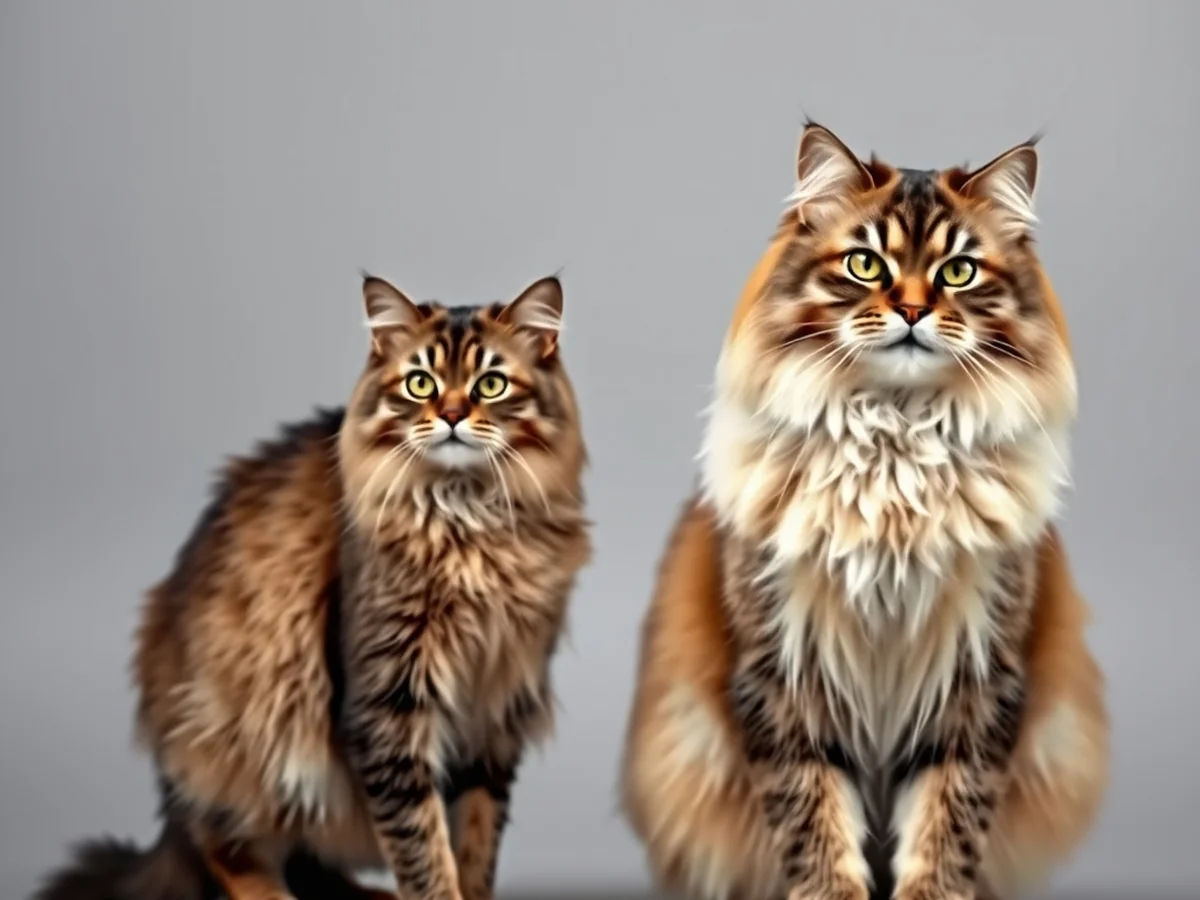
Male Siberians are usually larger and heavier than females. A male typically hits a **mature weight** between 15 and 20 pounds. Females often stay smaller, usually weighing between 10 and 15 pounds. While many owners wonder how big do siberian cats get, their dense, semi-longhair coat often makes them appear much larger than their actual skeletal structure.
Because these cats have a slow maturation process, you should focus on their health rather than just the scale. Use a **body condition score** to assess if your cat is at a healthy weight. This system ranks pets on a scale of 1 to 9. A score of 5 is ideal for this breed.
To check your cat, feel for their ribs. You should be able to feel the bones under a thin layer of muscle without pressing hard. If you cannot feel the ribs at all, your cat might be carrying excess fat rather than healthy mass. If the ribs feel sharp and prominent, they may need more calories in their protein-rich diet.
Remember that their thick fur hides their true shape. I have seen many owners worry about weight, only to realize the cat was just wearing a very thick winter coat. Always consult your vet if you notice sudden changes in weight or activity. Monitoring these **developmental milestones** ensures your cat stays fit as they grow toward their final size.
Spaying and Neutering Effects
Timing your kitten’s surgery significantly changes how big do siberian cats get by affecting skeletal development. Hormones like estrogen and testosterone signal the growth plates to close after puberty. If a cat is fixed before these plates fuse, the bones can continue growing for a longer period.
Most vets suggest waiting until the cat is at least 9 to 12 months old if you want to avoid this effect. Fixing a kitten at 8 weeks might lead to slightly longer limbs, though it rarely changes the final mature weight by more than a few pounds. Monitoring your pet during this stage helps ensure they reach their full genetic potential without joint issues.
Genetic Line Differences
The final size of your cat often depends on whether they come from classic or modern lines. Classic Russian forest cat lineages tend to focus on a muscular build and compact strength. These cats often stay closer to the lower end of the breed standard, which usually sits around 12 pounds for females.
Modern breeding lines frequently prioritize size to compete with other large cat breeds. Breeders might select for thicker bone density and a broader frame, which pushes some males toward 20 pounds or more. Regardless of the line, these cats follow a slow maturation process that lasts up to 3 years. Always ask your breeder about the size of the parents, as this is the best indicator of your cat’s future dimensions.
Siberian Growth Milestones
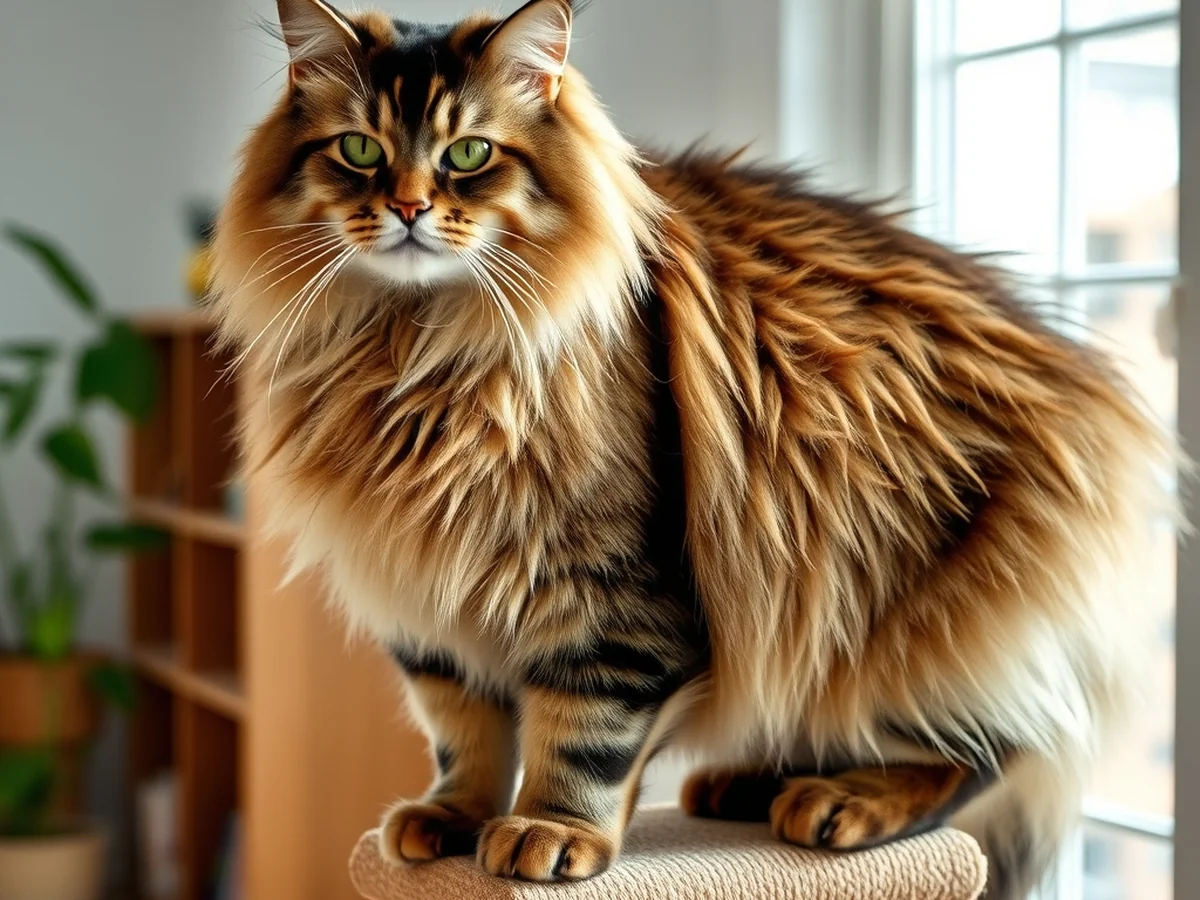
Siberians grow slowly over a three-year period. You might wonder how big do siberian cats get as you watch your kitten mature into a powerful adult. Unlike many breeds that finish growing by twelve months, these cats need time to build their dense skeletal structure.
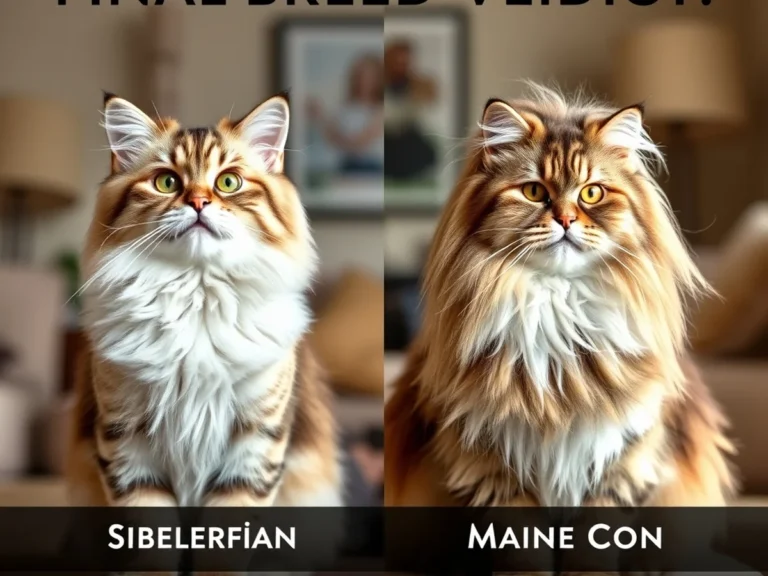
People often ask if they reach the same scale as a Maine Coon. While both are large cat breeds, the Maine Coon has a long and rectangular frame. A Siberian features a compact, rounded body that feels surprisingly heavy for its size. Their muscular build hides beneath a thick, semi-longhair coat that creates an illusion of extra width.
- Siberians have shorter legs and a barrel-shaped chest compared to the lanky Maine Coon.
- The average weight for a male Siberian cat ranges from 12 to 18 pounds.
- Females typically weigh between 8 and 12 pounds once fully grown.
When monitoring your kitten, focus on their body condition score rather than just the scale. It is easy to mistake coat volume for mass. You should be able to feel their ribs under the fur without pressing hard. A protein-rich diet supports this steady growth, but keep an eye on their weight to avoid feline obesity. Because their growth plates remain open longer, avoid overfeeding during their second year. This ensures they develop a healthy, solid frame rather than extra fat stores.
Comparing Siberian Cat Size
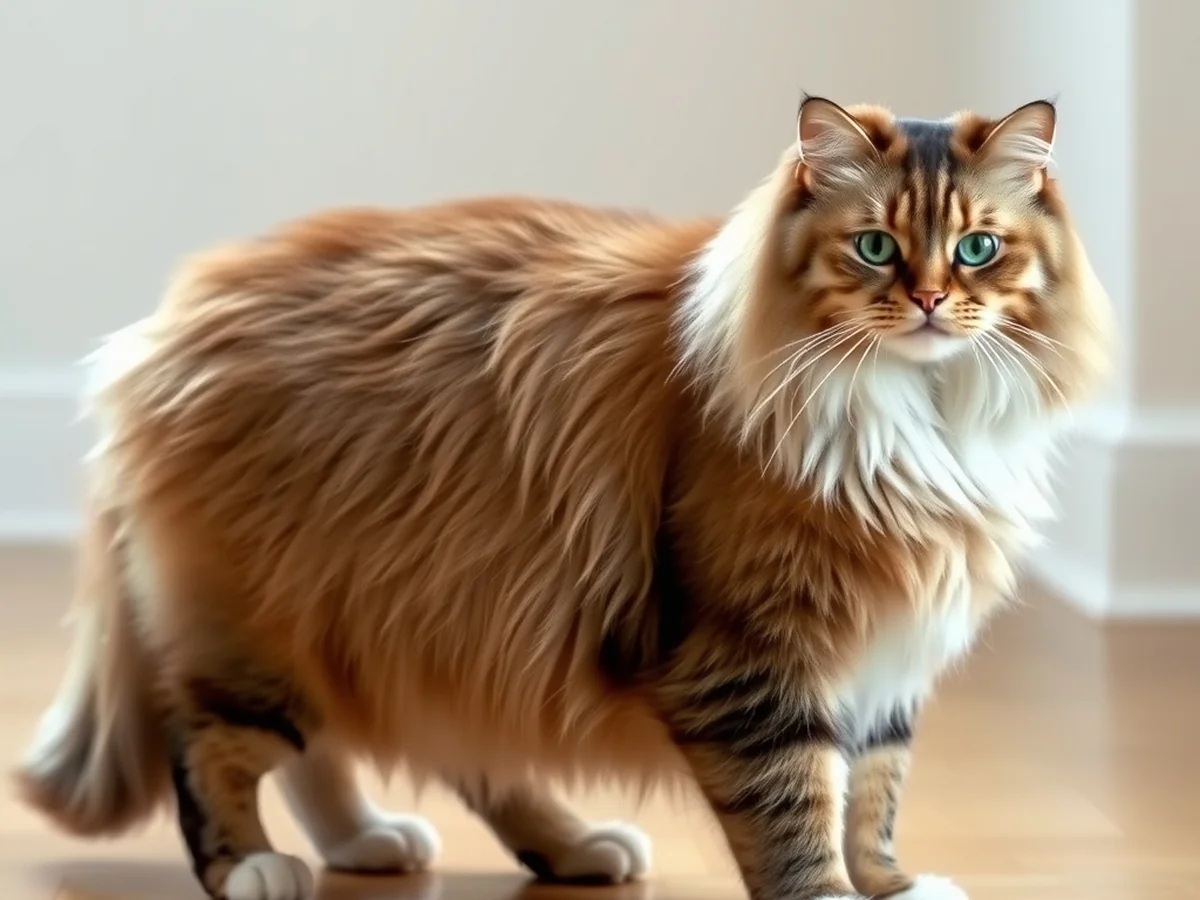
You might wonder how big do siberian cats get compared to other breeds. While they are large cat breeds, much of their size comes from a thick semi-longhair coat rather than just bone mass. A Russian forest cat typically reaches a mature weight between 10 and 20 pounds.
Males are generally heavier than females, often weighing 3 to 5 pounds more on average. These cats have a slow maturation process. Unlike typical house cats, they often continue developing until they reach 3 to 5 years of age. Their growth plates stay open longer, which allows for a sturdy and muscular build to form gradually.
- Growth Plates: These areas of cartilage fuse slowly, meaning your kitten needs a high quality, protein-rich diet for several years to support bone development.
- Coat Volume: That signature bushy tail and dense fur make them appear much wider than they actually are.
- Weight Check: To see if your cat is healthy-big rather than overweight, you must feel the ribs. You should feel the ribs under a thin layer of muscle without pressing hard.
Genetics dictate the final size more than diet. However, a balanced diet prevents feline obesity, which is common in this breed due to a slower metabolism. Avoid overfeeding, as keeping a lean body condition score is vital for their joints. A fully grown siberian cat size can vary based on their specific bloodline, but focus on muscle tone rather than just the number on the scale.
Conclusion
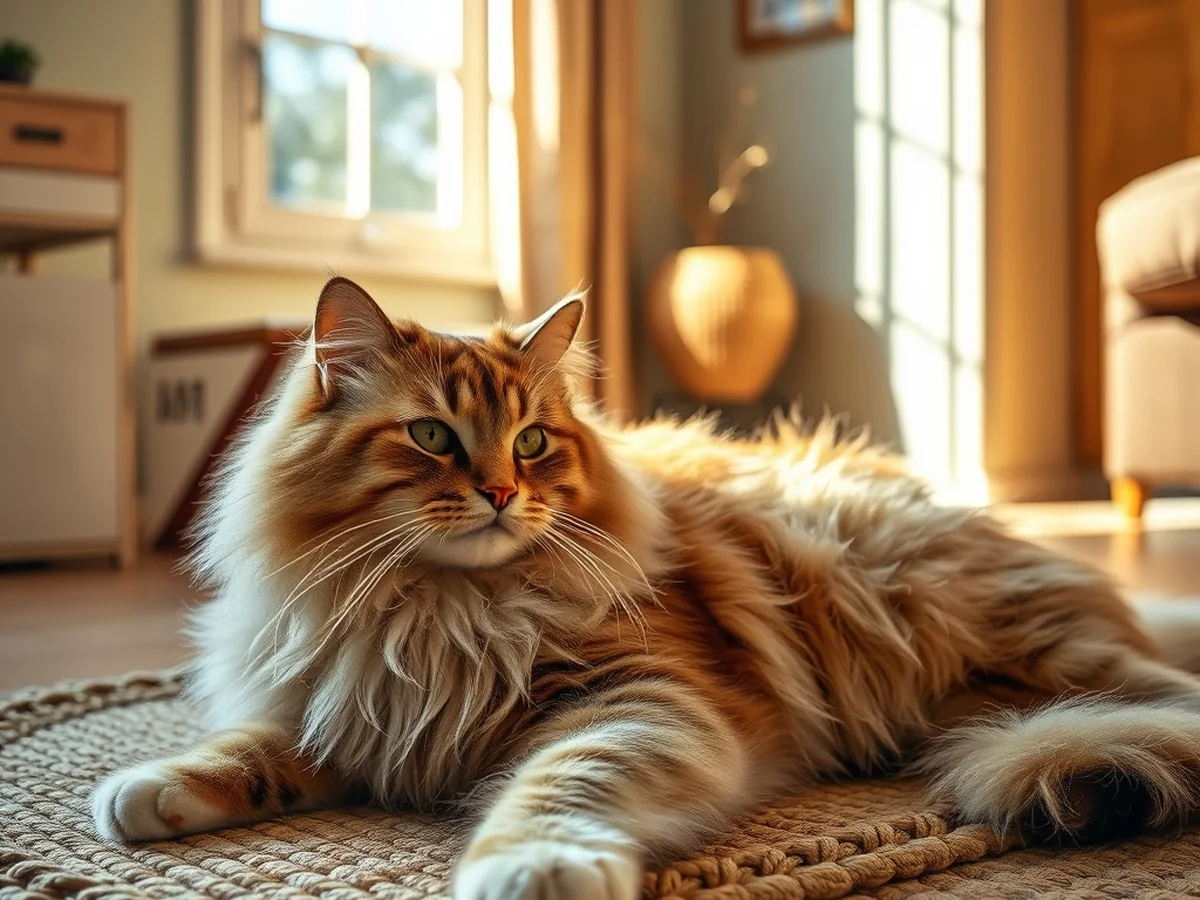
Your Siberian cat’s path to adulthood is a marathon rather than a sprint. Since these cats take up to 5 years to reach full size, patience is your best tool for tracking their development.
Watching your kitten grow requires focusing on their skeletal structure rather than just the scale. Because of their dense, semi-longhair coat, it is easy to mistake fluff for mass. I have found that checking their body condition score is more reliable than worrying about exactly how big do siberian cats get at any specific month.
Regular vet checkups are essential to monitor these milestones correctly. Your vet can tell you if your cat is maintaining a healthy weight for their frame or if they are prone to feline obesity. Keep these points in mind as your pet matures:
- Schedule an exam every 6 months during the first 3 years.
- Discuss a high protein diet to support muscle growth.
- Track their weight progression on a simple chart.
A fully grown siberian cat should feel dense and solid, not just round. By partnering with your vet and providing consistent care, you ensure your companion stays strong throughout their long growth period. Focus on their overall health and activity levels instead of chasing a specific number on the scale. Their slow maturation is a normal part of their heritage as a sturdy breed.
For another perspective, this detailed piece on How big will my cat be? : r/SiberianCats is worth a read.
You might also like: Siberian Cat Shedding: What to Expect and How to Manage It