Siberian Cat Health Issues: What Every Owner Should Know
Hypertrophic Cardiomyopathy Risks
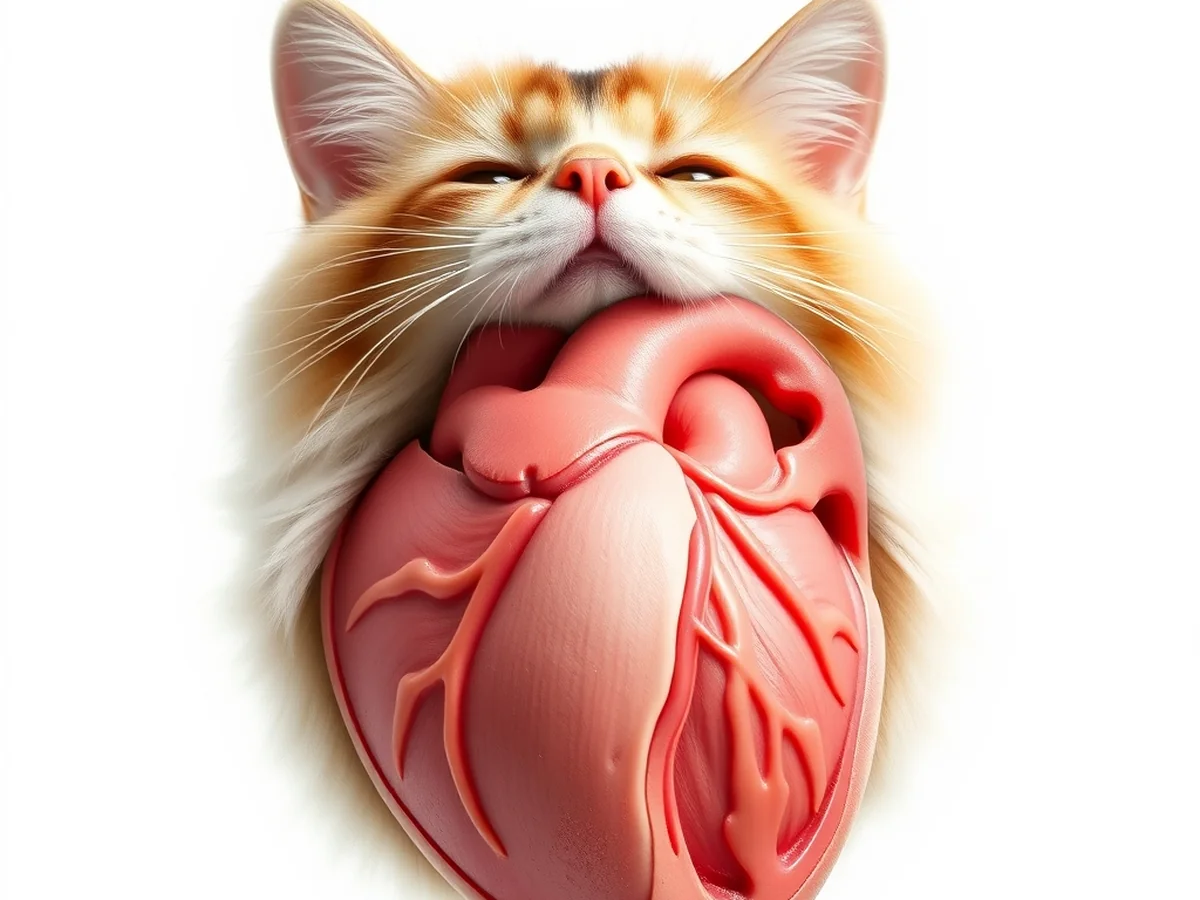
Siberians are generally hardy and live 12 to 15 years on average. While these cats possess a robust constitution, hypertrophic cardiomyopathy remains a breed-specific concern that owners should understand. This condition involves the thickening of the heart muscle, which can restrict blood flow and affect overall feline cardiac health.
Distinguishing between general feline ailments and genetic predispositions is vital when researching siberian cat health issues. Most cats encounter common problems like dental disease or viral infections. However, this breed faces a specific risk for heart muscle thickening that requires attention. Unlike common infections, this is a structural issue often linked to hereditary factors.
Proactive monitoring is your best tool for managing these risks. I have found that tracking your cat’s resting respiratory rate is an easy way to spot early changes. A normal rate is typically under 30 breaths per minute while the cat is sleeping. If you notice a consistent increase or labored breathing, schedule an appointment with your vet immediately.
Regular genetic screening through reputable breeders can help identify potential risks before you even bring your kitten home. Always ask for pedigree certificates that confirm the parents have clear heart health records. If your vet hears a murmur during a checkup, request a referral to a veterinary cardiologist for a formal heart ultrasound.
Heart Health Concerns
While many owners worry about kidney function, hypertrophic cardiomyopathy remains the most significant cardiac concern for this breed. This condition causes the heart walls to thicken, which forces the organ to work much harder than normal. It is a serious part of the broader list of siberian cat health issues that require proactive monitoring.
You should schedule routine echocardiograms with a board certified veterinary cardiologist to catch changes early. These scans offer a much clearer picture of heart health than a standard physical exam. I have found that having a baseline scan done by age 2 is helpful for tracking long-term trends. A single session usually costs around $400 depending on your location and clinic.
Watch your cat closely for early warning signs of distress. Rapid breathing while resting is a major red flag that warrants an immediate trip to the vet. You might also notice unusual lethargy or a sudden lack of interest in play. Keep a simple log of your cat’s resting respiratory rate at home to share with your doctor. If your cat takes more than 30 breaths per minute while sleeping, contact your clinic right away. Early detection is the most effective way to manage potential cardiac problems and maintain your pet’s quality of life.
Siberian Cat Dental Health

While discussing siberian cat health issues, you must include regular dental care. Like many breeds, Siberians face risks from plaque buildup and gum inflammation. Left untreated, these problems can lead to tooth loss and systemic infection.
Start brushing your cat’s teeth early to get them used to the routine. Aim for at least three sessions per week using a feline-specific toothpaste. Never use human toothpaste, as ingredients like fluoride are toxic to cats.
Watch for signs of discomfort during meals. Does your cat drop food or tilt their head while chewing? These are common red flags. Bad breath is another indicator that you need to visit your vet for a professional cleaning.
Dry kibble alone does not prevent tartar. Some owners find success with dental chews or water additives, but manual brushing remains the most effective tool. Ask your vet to examine your cat’s mouth during every annual wellness exam. Early detection of gingivitis prevents painful extractions later in life. Consistent feline dental care is a simple way to protect your pet’s overall well-being and quality of life.
Common Genetic Health Problems
Pyruvate kinase deficiency is a metabolic condition that prevents red blood cells from living a normal lifespan. This breakdown causes anemia and low energy levels in affected cats. It is a known factor among siberian cat health issues that owners should monitor through early testing.
Reputable breeders use genetic screening to identify if a kitten carries the gene for this deficiency. Many cats act as carriers without showing clinical signs of illness. These cats remain healthy but can pass the condition to their offspring if they are not screened properly.
You should always ask for pedigree certificates that confirm the parents were tested. A standard DNA swab test typically costs around $60 and provides clear results for your peace of mind. Knowing the status of your cat helps you plan for future care.
While this is a serious concern, it is manageable when identified early. Responsible breeders prioritize hereditary disease management to reduce the frequency of this issue in the breed. Testing remains the most effective tool to ensure the long term wellness of your pet. If you are adopting, request documentation that confirms the absence of this deficiency. This simple step is vital for the feline longevity of your Siberian cat and helps avoid unnecessary medical complications later in life.
Dental Care Essentials
You should check your cat’s teeth and gums every time you brush their coat. Lift the lip gently to see if the gums look pale or bright red. Healthy gums appear light pink. If you notice persistent bad breath or bleeding, these could be signs of underlying siberian cat health issues. Consistent monitoring at home helps you catch inflammation before it becomes painful.
Siberians require regular dental care to stop tartar buildup from damaging their teeth. Unlike some breeds, these cats can develop plaque quickly if they only eat soft food. Brushing their teeth two to three times a week with pet-safe toothpaste makes a big difference. I have found that starting this routine when they are kittens makes the process much easier for both of you.
Professional cleanings are a standard part of maintaining feline wellness. Most vets suggest a deep cleaning under anesthesia every 12 to 24 months. This procedure allows the vet to clean below the gum line where your toothbrush cannot reach. Expect to pay around $300 to $500 for a thorough dental exam and cleaning. Proper oral hygiene supports overall feline dental care and helps your cat maintain a healthy appetite throughout their life. Never skip these visits, as dental pain can lead to weight loss and other serious problems.
Checking Breeder Documentation
You must review a breeder’s paperwork before bringing a kitten home to avoid future siberian cat health issues. A responsible breeder provides clear, dated records for both parents. Check that these documents come from a licensed veterinarian or a recognized laboratory.
Requesting Genetic Tests
Always ask for proof of genetic screening for common conditions like polycystic kidney disease and pyruvate kinase deficiency. These tests identify hereditary markers before symptoms appear. You should also demand records of a recent heart ultrasound performed by a board-certified veterinary cardiologist. If a breeder cannot show you these specific results, walk away. Serious hereditary heart conditions often remain hidden without these precise scans.
Verifying Pedigree Certificates
Never purchase a kitten from a seller who lacks official pedigree certificates. These papers confirm your cat’s lineage and show the breeder follows ethical standards. A legitimate breeder will spend at least $500 per cat on comprehensive health testing annually to ensure the line remains strong. If they refuse to share medical history or registration papers, the risk of inheriting hypertrophic cardiomyopathy or other chronic illnesses increases significantly. Protecting your kitten starts by choosing someone who prioritizes long-term wellness over profit.
Routine Veterinary Care
Create a dedicated health binder to track your pet’s weight and clinic visits. Keeping these records helps you spot Siberian cat health issues before they become emergencies. Even small shifts in weight or behavior are often the first signs of underlying conditions like hypertrophic cardiomyopathy.
Tracking trends is safer than waiting for obvious symptoms. By recording monthly weights on a simple chart, you can catch health declines early. If your cat loses more than 0.5 pounds in a month without a diet change, schedule an appointment immediately.
Use this guide to determine when to seek professional help:
- Call your vet if you notice persistent changes in cat litter box habits or a sudden lack of appetite.
- Contact a specialist if your cat exhibits labored breathing, lethargy, or signs of heart distress.
- Observe at home if your cat shows mild sneezing, provided they are still eating and acting normally.
Standard annual wellness exams allow your vet to check for common genetic health problems in Siberian cats. These appointments ensure your cat stays on track for a long, healthy life. Always bring your binder to every visit so your vet has a clear history of your cat’s baseline health.
Nutritional Needs for Health

Siberians typically live between 12 and 15 years. Providing a high-quality, protein-rich diet supports overall immunity and helps manage potential siberian cat health issues. While nutrition cannot stop hereditary conditions, it maintains a healthy weight to reduce strain on the heart and kidneys.
Hypertrophic cardiomyopathy is the most common heart condition in this breed. Prevention involves routine screening rather than diet alone. You should schedule a heart ultrasound with a veterinary cardiologist if your cat shows signs of lethargy or rapid breathing. Responsible breeders perform genetic screening for pyruvate kinase deficiency and polycystic kidney disease before breeding. Always ask for these pedigree certificates before bringing a kitten home.
Regarding dental care, Siberians benefit from daily brushing. Aim to introduce this habit early to prevent tartar buildup, which costs around $300 to $600 for a professional cleaning. Watch for red, swollen gums or difficulty eating.
Early kidney warning signs include:
- Increased thirst or water consumption.
- Changes in cat litter box habits.
- Unexplained weight loss.
- Reduced appetite or lethargy.
Monitoring these subtle changes during weekly grooming sessions is vital. If you notice a persistent increase in water intake, consult your vet immediately for blood work to check kidney function. Proactive care ensures your cat remains comfortable and active for many years.
When to See Vet
You and your veterinarian act as partners in managing siberian cat health issues. Your daily observations help the doctor identify subtle shifts in your cat’s behavior before they become major problems.
Schedule an appointment if you notice changes in cat litter box habits or a sudden drop in appetite. These are often the first signs that something is wrong. Do not wait to see if the symptoms pass on their own. Early detection of conditions like polycystic kidney disease or heart changes significantly improves the outcome.
- Book an annual wellness exam for a full physical checkup.
- Monitor your cat for at least 15 minutes during weekly grooming sessions.
- Request a heart ultrasound if you notice lethargy or heavy breathing.
- Maintain a health binder to track weight and dental care history.
High quality care is the best path to maximize your cat’s 12 to 15 year lifespan. Investing in preventative exams can save you money, as basic wellness visits often cost under $100 depending on your location. Focus on a protein rich diet and consistent monitoring to support your pet’s long term wellness. When you stay proactive, you get to enjoy more quality years of companionship with your healthy Siberian friend.
For another perspective, this detailed piece on Health issues : r/SiberianCats – Reddit is worth a read.
You might also like: Best Food for Siberian Cats: A Complete Diet Guide